Gas prices are spiking once again this week.
Gas prices soar to four-year highs as Middle East tensions disrupt oil supplies
There was one way drivers described gas prices Wednesday as they filled up at the Wawa on Aramingo Avenue in Philadelphia.
"It's painful," said Trish Morris from Clifton Heights, who paid $70 to fill up her four-door sedan.
"Painful," Ling from Northern Liberties said.
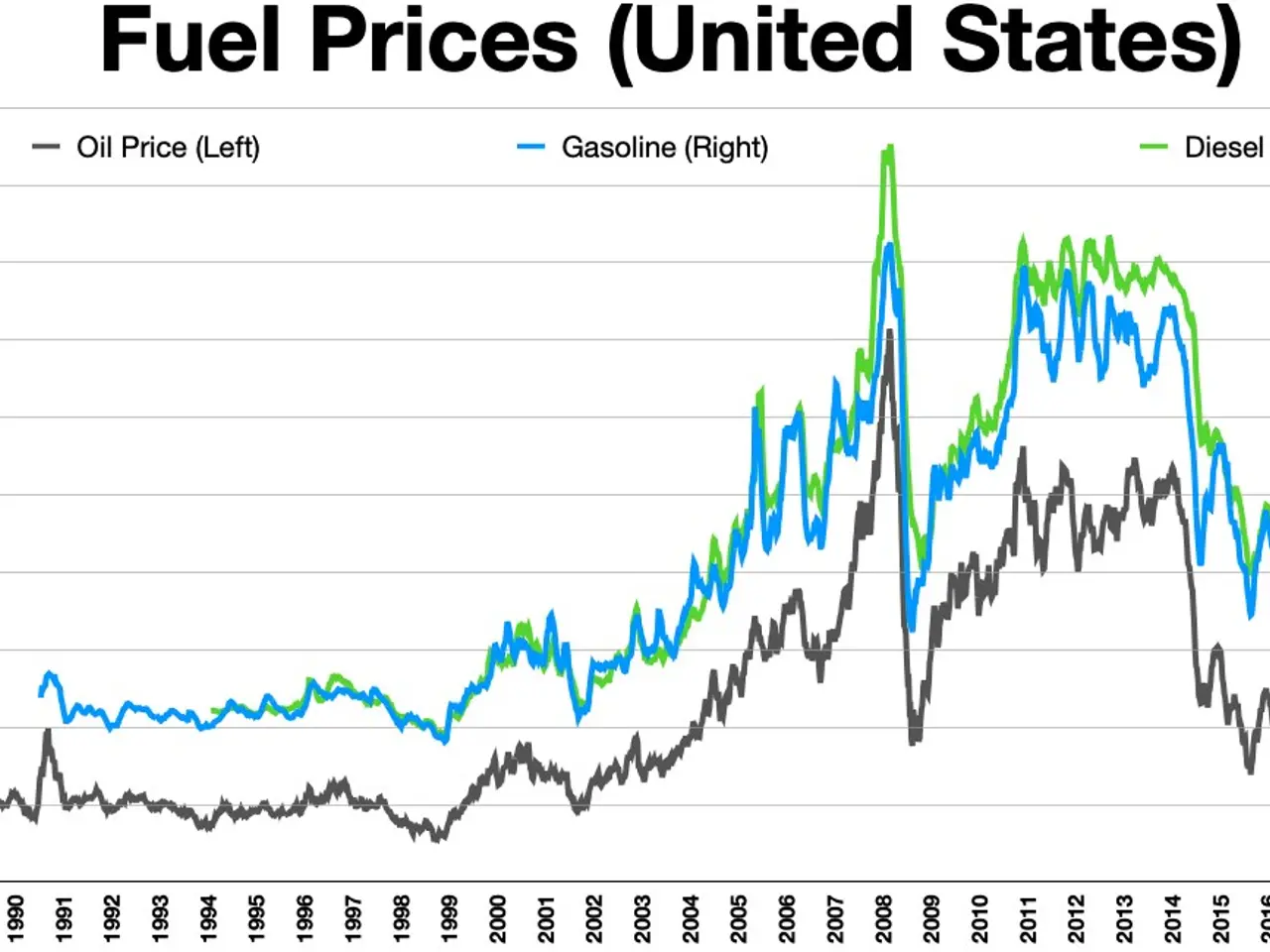
According to AAA, a gallon of regular sits at $4.34 in the Philadelphia five-county area Wednesday. That's up 30 cents over just the last week, hitting the highest mark since June of 2022.
"We haven't seen prices like this in four years," Jana Tidwell with AAA said. "And of course, this is the highest price we've seen so far this year."
Gas prices initially rose following the joint United States-Israeli operation in Iran. Over the last few weeks, prices settled and somewhat fell after a tenuous ceasefire was reached.
But oil prices surged to more than $100 per barrel again this week as talks between the U.S. and Iran have seemingly stalled. The current U.S. blockade of the Strait of Hormuz, a vital waterway carrying around 20% of the global oil supply, remains in place.
"What is happening with the Strait of Hormuz? Who is controlling it? Will ships be able to sail freely through the Strait?" Tidwell said.
A White House official confirmed to our News Philadelphia that President Trump, as well as other top cabinet officials, met with oil executives Tuesday. The sides reportedly discussed domestic production, Venezuela and the current situation in the Middle East.
"They discussed the steps President Trump has taken to alleviate global oil markets and steps we could take to continue the current blockade for months if needed and minimize impact on American consumers," the White House official said.
But the impact is already hitting many.
"We're all feeling the pinch around here," Joseph DiPietro of Port Richmond said.
"I'm working to pay the gas pretty much at this time," Aaron from Bucks County said. "It's killing me."
Any relief at the pump is hard to gauge. Prices generally rise in the spring and summer as more people hit the roads and gas stations switch to the summer blend. AAA says it's watching to see how prices could impact the summer travel season, and with the situation in the Middle East, it's hard to know where prices will land.
"There are so many variables, so many factors at play here, it really is impossible to say how high will prices go," said Tidwell.
Drivers make changes to save on gas
In the meantime, many drivers say they're doing whatever they can to save at the pump. Some are even using a lower fuel grade.
"I used to use plus. Now I'm on the regular," Morris said.
"I'm paying $5. And I'm supposed to be putting 93 in," Aaron said. "Save a little money even though it's not good for my car. And only filling $20 to get me home and back."
Others are trying to use more public transportation.
"Take a bus whenever I can. Maybe take a SEPTA instead of driving," Ling said.
AAA says drivers can try to carpool to cut down on gas costs. Making sure your car is up on its maintenance and clearing anything heavy you're hauling can also help with your fuel efficiency. But for the most part, drivers will just have to ride out these price spikes.
"I have to drive for my job. There's no way around it," Morris said. "Pray about it that I got enough to put in there and I can keep pushing. That's all I can do."
Gas prices in New Jersey
Across the Delaware Valley, gas prices are well over $4 per gallon.
In New Jersey, the average price is up six cents overnight to $4.21. In the last week, prices have been up 28 cents.
South Jersey in particular saw a 8-cent spike overnight, bringing the average price of gas to $4.22.
Gas prices in Delaware
Delaware also saw a double-digit increase this week, with prices going up another nine cents for an average of $4.14 per gallon on April 29.
In Dover, the gas average is $4.15 after going up nine cents overnight and 22 cents in the last week, according to AAA.
Prices on the rise since start of the Iran war
Just days after the U.S.-Israel war with Iran began, national and local gas prices started to see a spike.
On March 3, three days after the first strikes in Iran, the average price per gallon in the U.S. was $3.11. One day later, the average price per gallon was $3.19.
On March 4, the average price of gas in Pennsylvania was $3.29; in the Philadelphia area, it was $3.18.
Now, two months later, drivers on average are paying an additional dollar or more per gallon of gas.