Eurozone inflation stabilizes at 2.5% as ECB unwinds pandemic-era liquidity
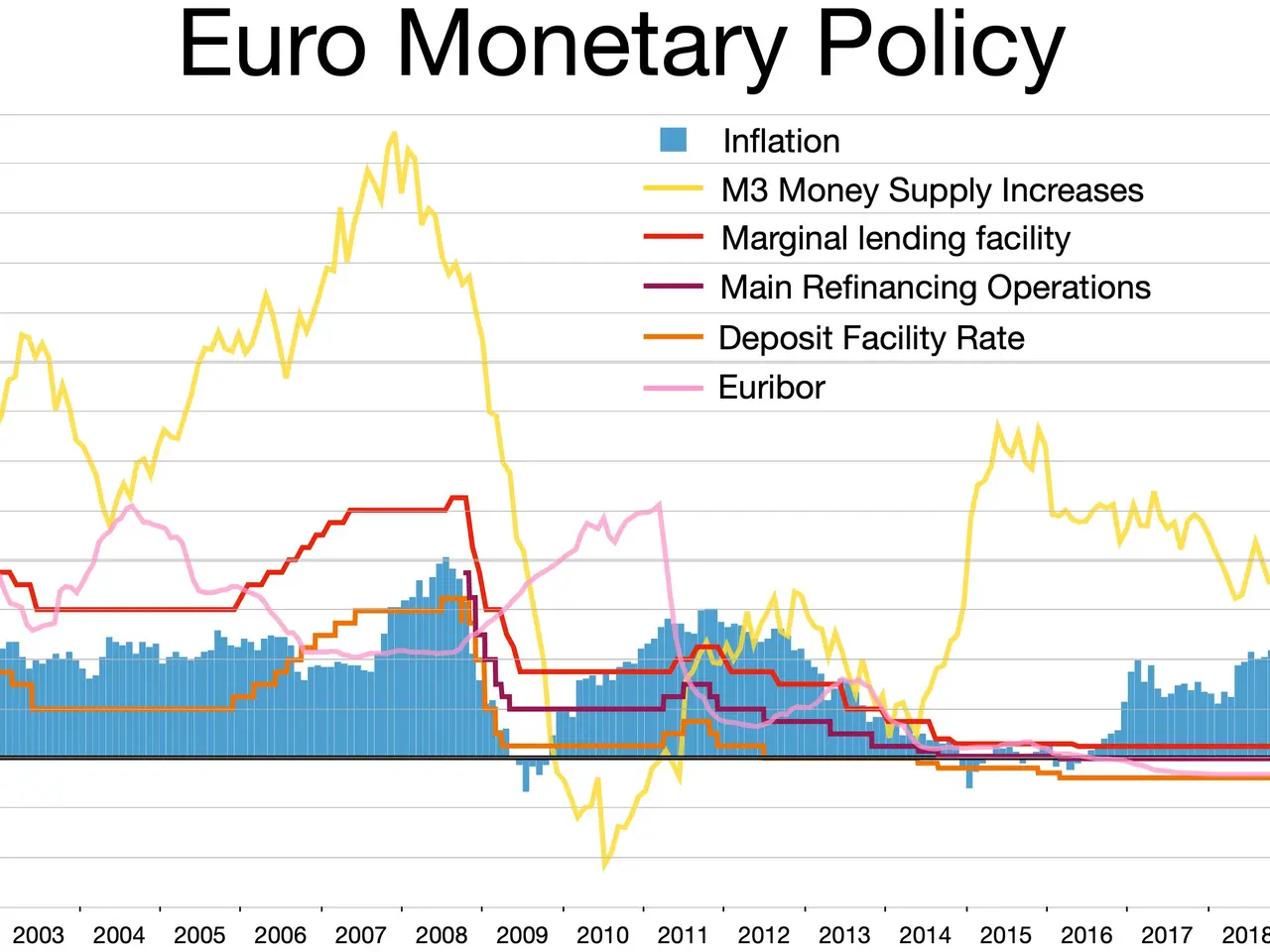
Inflation in the eurozone has shifted dramatically since the pandemic. Before 2020, rates hovered between 0.3% and 1.2%, but they surged to a peak of 10.6% in October 2022. By March 2026, the figure had settled at 2.5%, marking a slow return to stability after years of economic turbulence. The European Central Bank (ECB) launched its Pandemic Emergency Purchase Programme (PEPP) in March 2020 to stabilise the economy. Under the scheme, the bank bought vast amounts of government and private sector bonds, injecting nearly €3tn in emergency liquidity. This flood of cash helped push inflation to record highs, but the ECB began phasing out these measures in 2022.
Excess liquidity—money parked by banks at the ECB—has since dropped by almost half. By next year, it will fall below €2tn, and projections show a further decline by 2027. The ECB is not selling off the bonds it acquired but is letting them mature naturally. Isabel Schnabel, an ECB executive board member, has described this as 'quantitative normalisation rather than quantitative tightening'.
As liquidity shrinks, banks will need to adjust. They will rely more on the money market and standard refinancing operations instead of central bank support. The transition appears smooth so far, with no signs of financial fragmentation, according to the ECB's latest analysis. The eurozone's inflation rate now stands at 2.5%, down from its 2022 peak. With excess liquidity expected to drain further, banks will face a more traditional funding environment. The ECB's gradual unwinding of pandemic-era policies continues without major disruptions.