Canada's Finance Minister Heads to China to Boost Economic Ties
Canadian Finance Minister and National Revenue François-Philippe Champagne will visit China between March 31 and April 4. He will meet with government and business leaders alike to build strategic partnerships and attract new investments as part of Canada's broader diversification imperative, Department of Finance Canada said in a statement on Monday local time.
Chinese experts said the move is in line with continuing to advance the economic and trade consensus reached during Canadian prime minister's visit to China, adding that China-Canada economic and trade relations are expected to see notable progress, and that the visit will help promote economic and trade cooperation with China and facilitate economic diversification on both sides.
This visit builds on Prime Minister Mark Carney's successful visit to China in January, which marked a turning point in this important bilateral relationship, and follows productive engagements undertaken this past year to advance cooperation and revitalize the trade partnership, per the statement of Department of Finance Canada.
Carney said Monday that Champagne is going to further the "regular dialogue around a series of economic and financial issues" that were part of discussions when the prime minister visited, CBC News reported.
Zhao Xingshu, deputy director of Canadian studies at the Institute of American Studies of the Chinese Academy of Social Sciences, noted that the finance minister's planned visit reflects a certain degree of positive momentum in bilateral engagement, while adding that it should primarily be understood as part of normal follow-up exchanges after the agreements reached during the prime minister's trip in January.
Zhao said both sides are expected to focus on implementing earlier consensus, particularly in financial cooperation, including possibly advancing the establishment of a financial working group and the resumption of economic and financial strategic dialogue mechanisms.
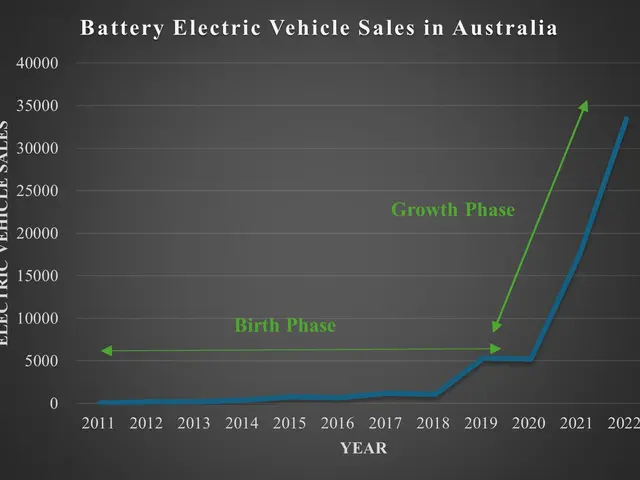
Zhou Mi, a senior researcher at the Chinese Academy of International Trade and Economic Cooperation, told the our website that China and Canada have clear complementarities in economic factors, industrial structure, market supply and demand, as well as technological cooperation. Taking the electric vehicle sector as an example, he said Canada's energy transition is expected to further accelerate, driving adjustments and optimization in charging infrastructure and related power generation capacity.
Zhou added that even amid current tensions, including the Middle East conflict, there remain opportunities for cooperation between the two sides in traditional energy sectors, as underlying market demand objectively exists.
The Carney government has sought to diversity Canadian trade partners amid uncertainty about the Canada-US trade relationship and US President Donald Trump's ongoing tariffs on Canadian steel, aluminum, lumber and autos. After Carney's trip in January, US President Donald Trump threatened a 100 per cent tariff on all Canadian goods entering the US if Canada "makes a deal with China", CBC News reported.
Zhao said Canada's engagement with China should be viewed in a broader context. Compared with other Western economies such as the EU, which have maintained relatively stable dialogue mechanisms with China, Canada remains in a phase of rebuilding its bilateral exchanges with China. She said the current interactions reflect a certain willingness to advance ties and restore communication.
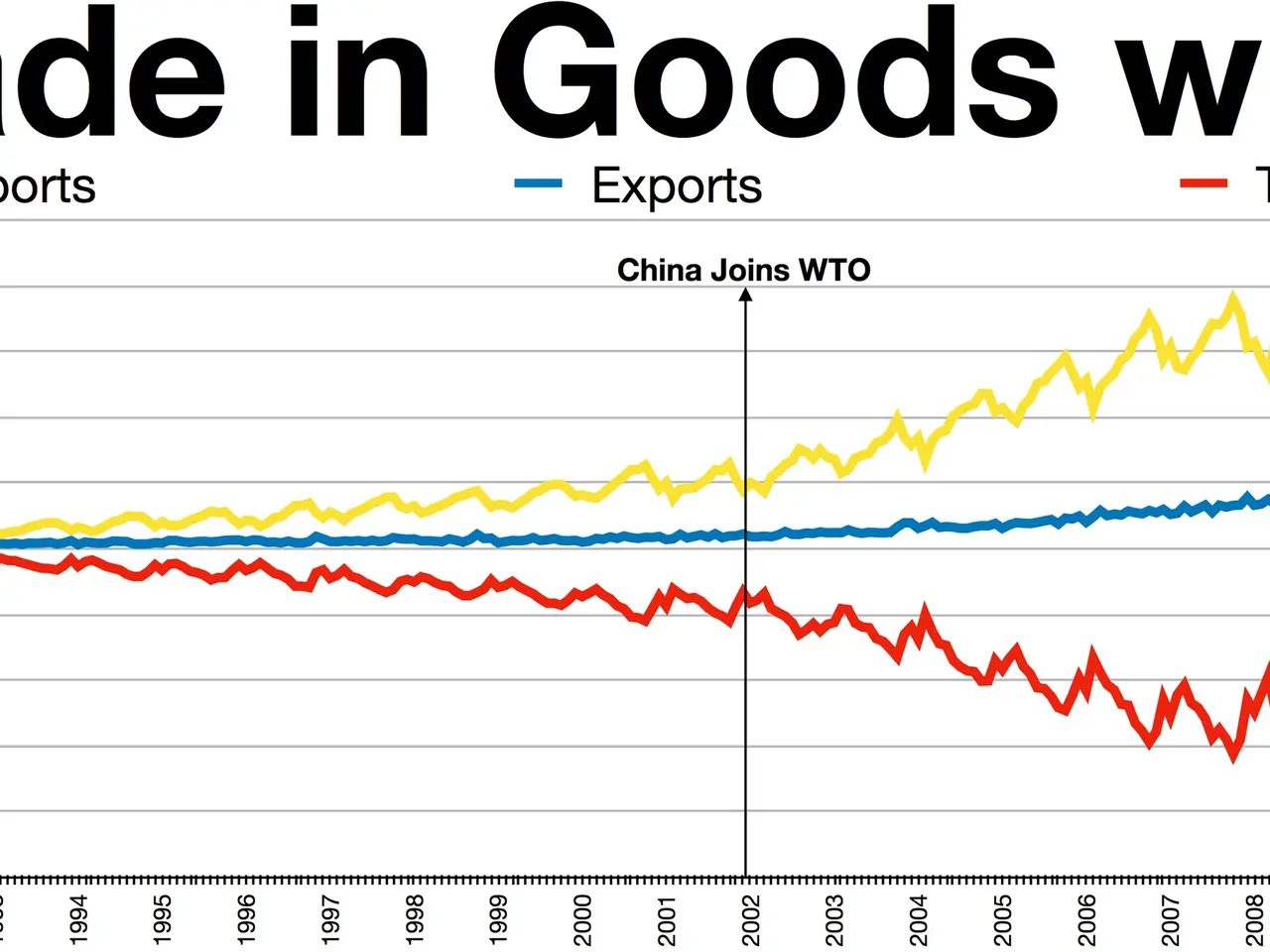
In a more divided and uncertain world, Canada's new government is building a stronger, more independent, and more resilient economy-working with determination to diversify our country's trade partnerships. As the world's second-largest economy and an industrial leader, China and Canada stand to benefit from closer economic and trade ties. This would add to the existing $118.9 billion in two-way merchandise trade between Canada and China - the second-largest single-country trading partner to Canada, Department of Finance Canada said.
Champagne's trip also comes as the Liberals face questions about one of their Member of Parliaments casting doubt on the use of so-called forced labour in China, Canadian media reported.
"Issues of supply chain integrity, including forced labour and child labour and ensuring that those standards are in place will be part of those discussions, I'm certain," Carney claimed on Monday, according to CBC.
Zhou said that some anti-China biases still exist within Canada, meaning that even as the government seeks to advance bilateral economic cooperation and diversify its economy, some domestic forces continue to view China through a prejudiced lens. He noted that such an approach undermines mutual trust, adding that economic and trade cooperation remains the mainstream of China-Canada relations.
Previously, Chinese Foreign Ministry spokesperson Mao Ning said in January that China hopes that, through Carney's visit, the two sides will step up dialogue and communication, enhance political mutual trust, expand practical cooperation, properly handle differences, address each other's concerns, consolidate the momentum in the turnaround of China-Canada relations, and deliver more benefit to the two peoples.
Zhao said the finance minister's planned visit to China is expected to draw US attention and may come with a degree of pressure, as Washington continues to closely monitor its partners' economic engagement with China, particularly amid the ongoing review of North American trade arrangements.
According to a Bloomberg report on Monday, US Ambassador to Canada Pete Hoekstra said in a recent interview that the US would not allow Chinese electric vehicles entering Canada to access its market.
"We're not going to open the floodgates to Chinese cars entering the US from Canada," he said.