California's water crisis worsens as droughts and farming strain supplies
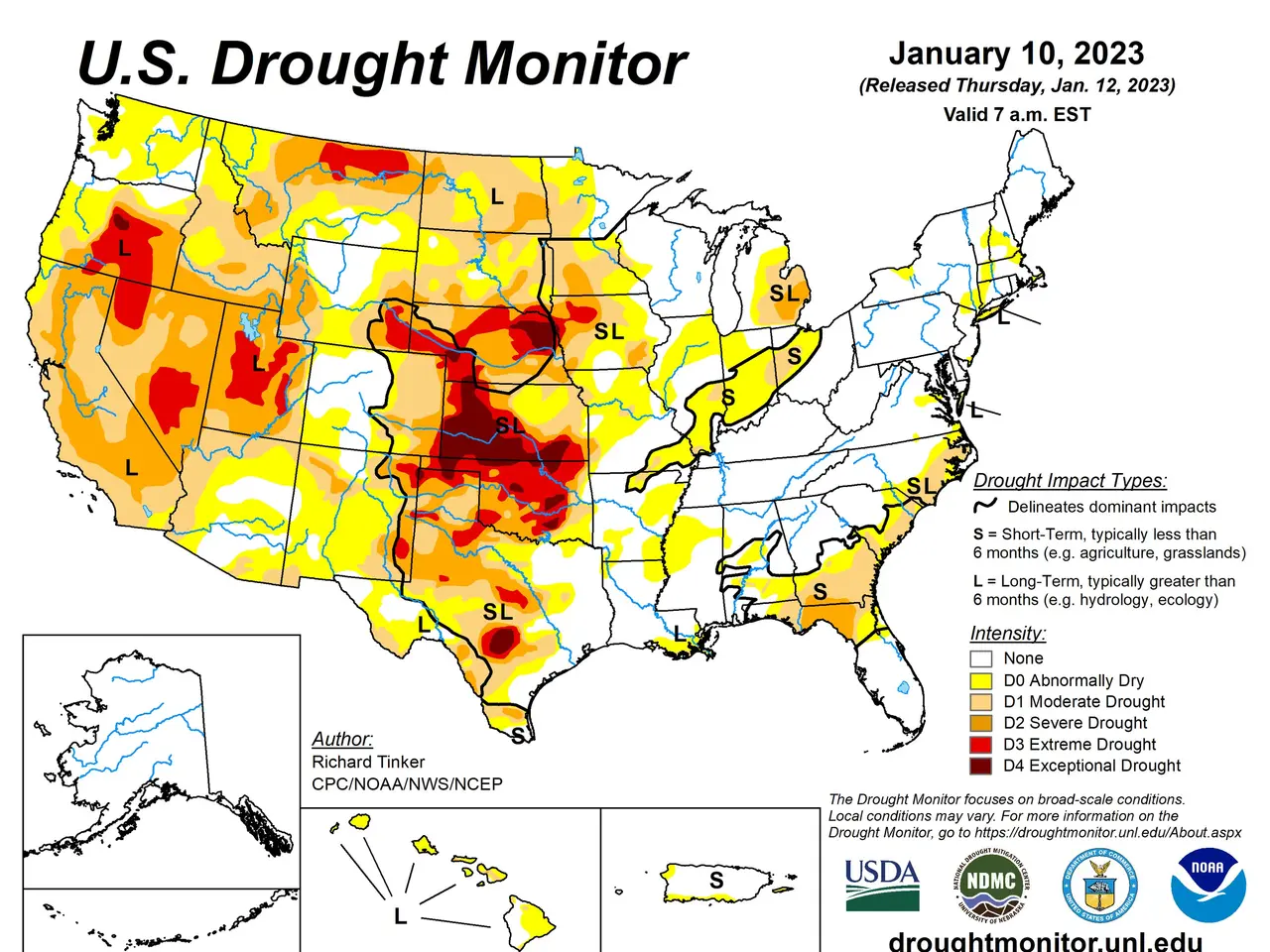
California’s water crisis is deepening as droughts grow more severe and demand for agriculture rises. The state, which supplies nearly half of America’s fruits, vegetables and nuts, now faces shrinking groundwater reserves and legal battles over water rights. Farmers, communities and wildlife are all feeling the strain of a system under pressure. The state’s climate has always swung between wet winters and long, dry summers. But rising temperatures now worsen the problem by increasing evaporation, reducing snowpack and melting what remains too early. These changes leave rivers and reservoirs with less water to store for the dry months ahead.
Farming has long relied on diverting rivers and draining wetlands, pushing native fish and wildlife toward extinction. The loss of these species weakens entire ecosystems, making the land less resilient to drought. Meanwhile, groundwater is being pumped out faster than it can replenish, causing water tables to drop and, in some areas, the ground itself to sink.
Almonds, one of California’s biggest crops, are particularly thirsty—each nut needs over a gallon of water to grow. Even when farms become more efficient with water, the savings often go toward expanding orchards or planting new crops. This cycle keeps overall water use climbing, despite efforts to conserve.
Legal disputes over water rights add another layer of complexity. The system governing who gets how much is tangled, leading to court battles that delay solutions. Rural communities, already struggling, face threats to their drinking water, jobs and economic stability. Californians are now exploring ways to ease the crisis, from switching to less water-intensive crops to recharging underground aquifers. New regulations are also being considered to manage water more fairly. But with demand still rising and climate change intensifying, the state’s water future remains uncertain.