Government risks British Grand Prix jeopardy over F1 visa issues
British Grand Prix at risk as visa delays threaten Formula 1's future in UK
Formula 1 has said the government risks jeopardising the British Grand Prix and damaging the country's soft power by dragging its feet over visa issues.
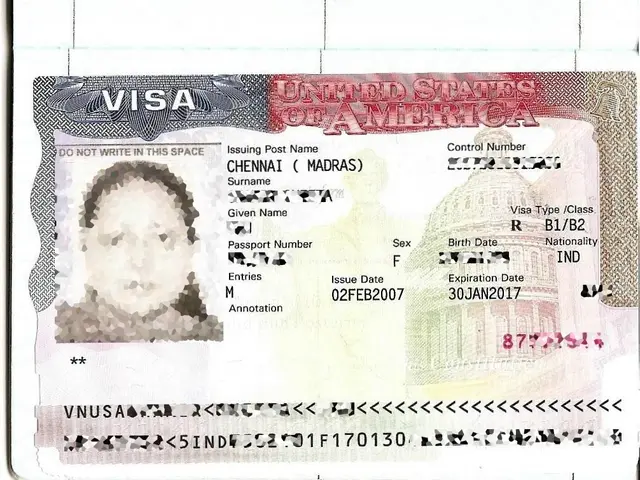
The Home Office has been accused of being slow to adapt to visa requirements specific to hundreds of Formula 1 workers, where delays force employees used across the entire calendar to seek special requirements to enter the UK.
And while similar issues were resolved quickly in the US, Britain risks undermining its standing as a stellar host of major sporting events, F1 says.
In written evidence submitted to the Department of Culture, Media and Sport Committee by Formula 1 seen by City AM, the racing series says that "strict rules, especially post-Brexit, can lead to significant delays in getting hundreds of personnel into the country, increasing costs and putting the successful delivery of the Grand Prix in jeopardy each and every year".
They added that issues with visas risk "undermining the soft power impact of the UK's status as a host country for major sporting and cultural events".
F1 concern at government
At a committee grilling in Portcullis House on Tuesday, chair Caroline Dinenage MP raised the issue with DCMS's director for major sporting projects delivery, Michael Livingston.
"We went to visit the F1 HQ and they said that when it comes to visas those that the Home Office may regard as having lower end skills and therefore not prioritised for visas," Dinenage began, "actually in sectors like F1 those skills are particularly niche and are needed to be given weight and not put to the back of the pile."
Livingston responded: "We are aware of some of those cases. With F1 it relates to those supporting hospitality.
"I am aware of cases showing up previously but we will always work with F1 to cut through those issues. We ultimately need to work within the visa regime the government has in place."
The British Grand Prix is seen as one of the crown jewels in the Formula 1 calendar and attracts 500,000 people over the July weekend.
Key to that is paddock security and wider hospitality contracting, which stems from European companies engaged for all races by Formula 1 whose employees are unable to get short-term visas due to their unique but low skilled work.
"In our experience of hosting Grands Prix across the globe," the written submission added, "the UK is unique in its slow pace of responsiveness to regulatory issues such as this.
"In many other countries, including the United States, these seemingly small procedural issues have been resolved quickly once flagged with relevant officials in the administration."