Bali's trash crisis deepens as landfill rejects organic waste from April 2023
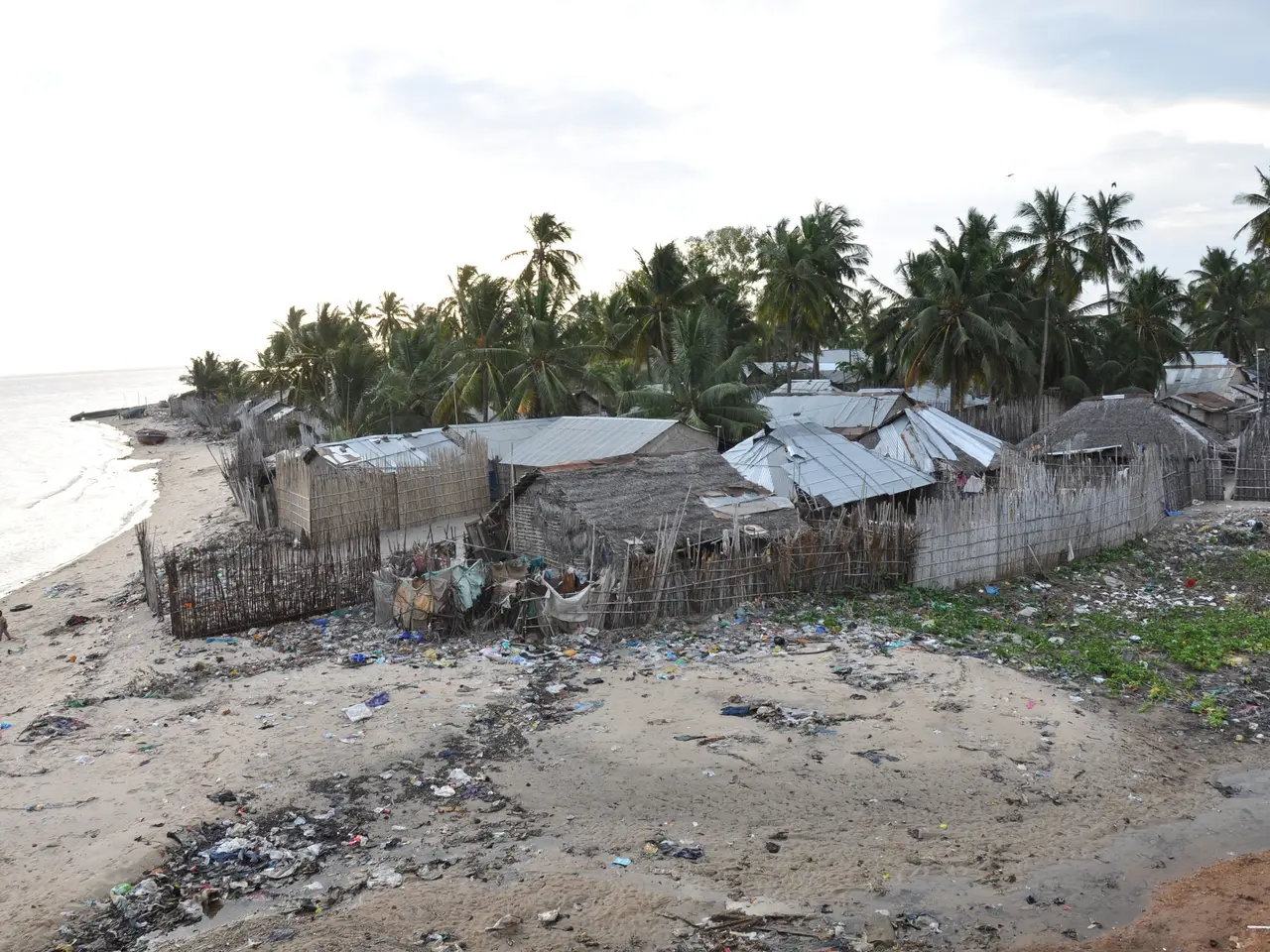
Bali is facing a growing waste crisis after its largest landfill stopped accepting organic rubbish. From 1 April 2023, the Suwung site—already overcapacity for years—closed its gates to food and garden waste. As a result, trash is now piling up on streets, and residents are resorting to burning it, raising health fears. The Suwung landfill in Bali once handled around 1,000 tons of waste daily. But with the new restrictions, the island’s waste system is struggling to cope. Indonesia as a whole produces over 40 million tons of rubbish each year, yet only a third gets recycled or processed properly.
With no legal dumping options, many locals have turned to burning trash, creating smoke and pollution. Others, like flower stall owner Yuvita Anggi Prinanda, are paying private companies to haul it away. Her business alone generates four large black bags of waste every day. Authorities have warned that anyone caught dumping or burning rubbish could face up to three months in jail and a 50-million rupiah fine. The crackdown comes as Indonesia pushes to enforce a 2013 ban on open landfills. Yet experts say the only lasting fix is a mass education campaign on composting organic waste. Without better waste management, Bali’s streets will likely remain cluttered, and illegal burning will continue to pose health risks.
The ban on organic waste at Suwung has exposed Bali’s fragile waste system. Fines and enforcement alone won’t solve the problem—long-term change depends on teaching residents how to compost. Until then, the island’s trash troubles are set to worsen.