Wyoming braces for one of its worst wildfire seasons in years
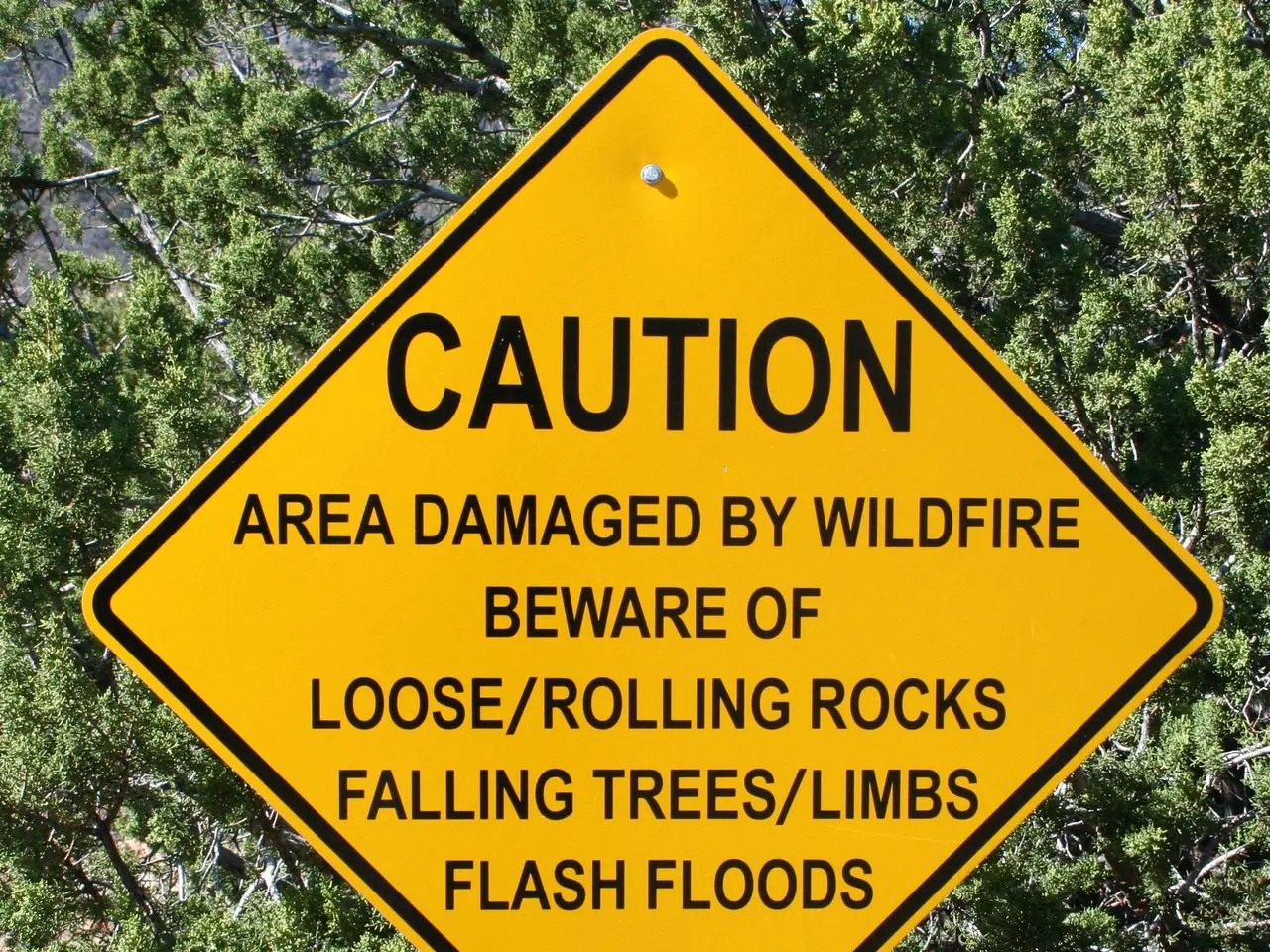
Wyoming faces a high-risk wildfire season as dry conditions and rising temperatures create dangerous fire potential. State officials have warned that even areas with average snowpack could see severe blazes in the coming months. Firefighters and lawmakers are preparing for what may become one of the most challenging seasons in recent memory. The warning comes after a winter of meagre snowfall and unusually warm weather. These conditions have left much of Wyoming with dry vegetation and an increased risk of fast-moving fires. The U.S. has already seen record numbers of wildfires and burned acreage by March, raising concerns about the months ahead.
Fire managers across the state are particularly anxious about the potential for large, uncontrollable blazes. Southern Wyoming is expected to see significant fire risk in April, June, and July, but other regions are also vulnerable. Small fires have already broken out in Natrona County, while the Kane fire in Big Horn County served as an early reminder of the dangers. In response, state lawmakers allocated additional firefighting resources during the 2025 legislative session. Wyoming's assistant state forester and fire management officer has urged all residents to stay alert. Homeowners are being advised to clear firewood from porches, remove dead leaves, and trim vegetation to reduce risks around their properties.
With fire conditions worsening, officials are stressing the need for early preparation and caution. The combination of low snowpack, high temperatures, and dry fuels means even minor sparks could escalate quickly. Residents and firefighters alike are being asked to remain vigilant as the season progresses.