Wind Power Surges in the Baltics as EU Faces Raw Material Challenges
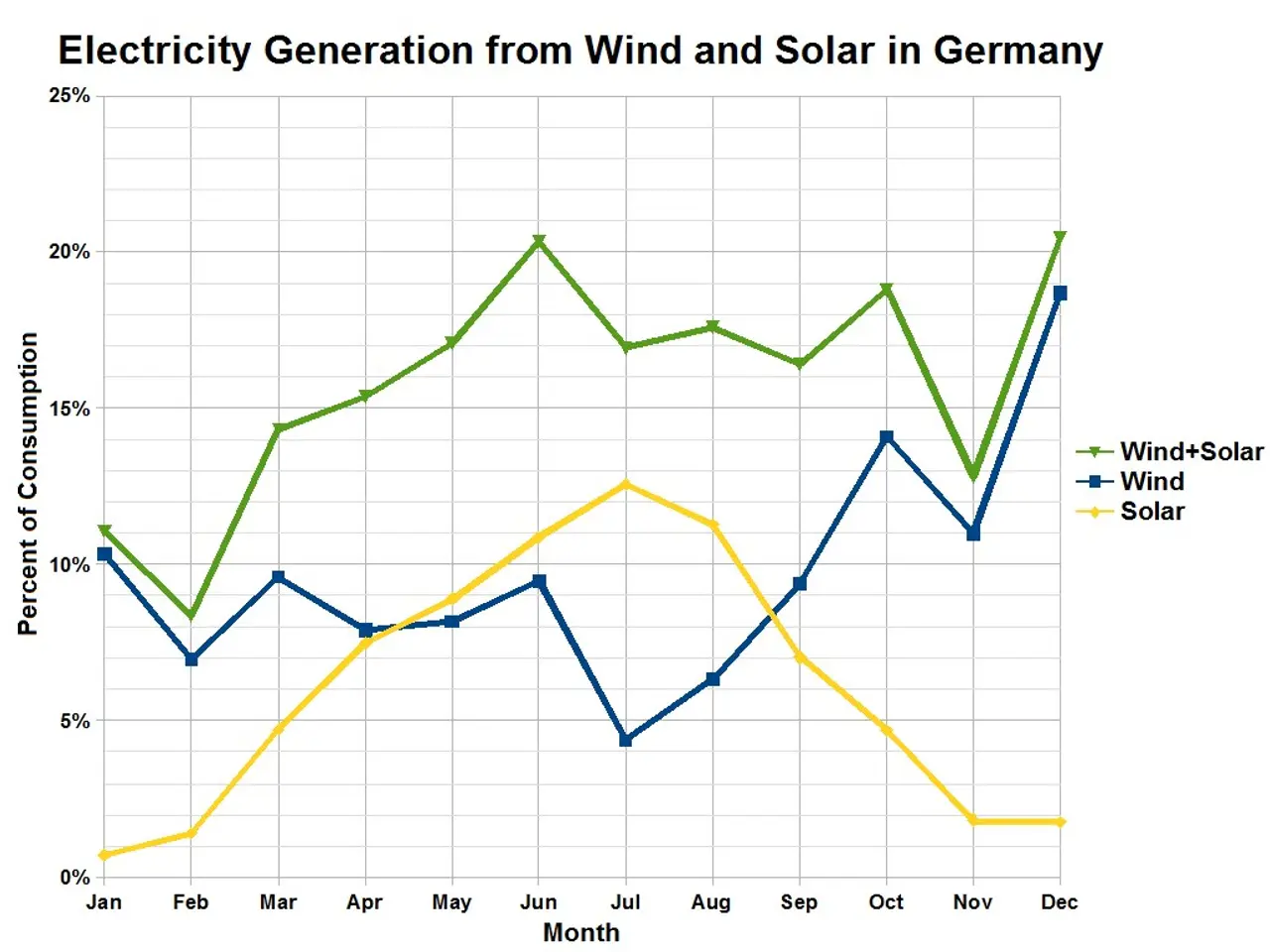
Wind power has become a major energy source in the Baltics, covering a fifth of total electricity use in February 2023. Lithuania now leads the EU with nearly half its electricity coming from wind, second only to Denmark. Meanwhile, a recent report from the European Court of Auditors highlights the challenges Europe faces in securing critical raw materials while shifting away from fossil fuels. In 2024, Lithuania generated 42.6% of its electricity from wind, placing it just behind Denmark's 58.2% share. Across the EU, renewables now account for 48% of electricity production, with wind energy alone rising from 7.8% in 2014 to 17.3% in 2024. Despite this progress, Estonia still relied on local fossil fuel generation for 35% of its electricity in early 2023.
The European Court of Auditors' report on critical raw materials became one of its most widely discussed publications. Keit Pentus-Rosimannus, an Estonian member of the Court, warned that reviving oil shale production in Estonia would be costly and impractical. Such a move would burden consumers with higher expenses while undermining climate goals. The EU faces stiff competition from China and the US in securing essential raw materials for green technology. The report's recommendations have already been adopted by the European Commission, reinforcing the bloc's push for energy independence. Climate change remains a pressing issue, with over **€162 billion** in economic damages across the EU over the past five years. Globally, investment in clean energy now doubles that of fossil fuels. Estonia's energy security remains closely tied to Europe's broader stability, making the transition to renewables both an economic and strategic priority.
Wind energy's rapid growth in the Baltics reflects a wider EU shift toward renewables. The Court of Auditors' report has shaped policy, steering Europe away from costly fossil fuel dependence. With climate-related damages mounting, the focus on sustainable energy and raw material security will likely intensify in the coming years.