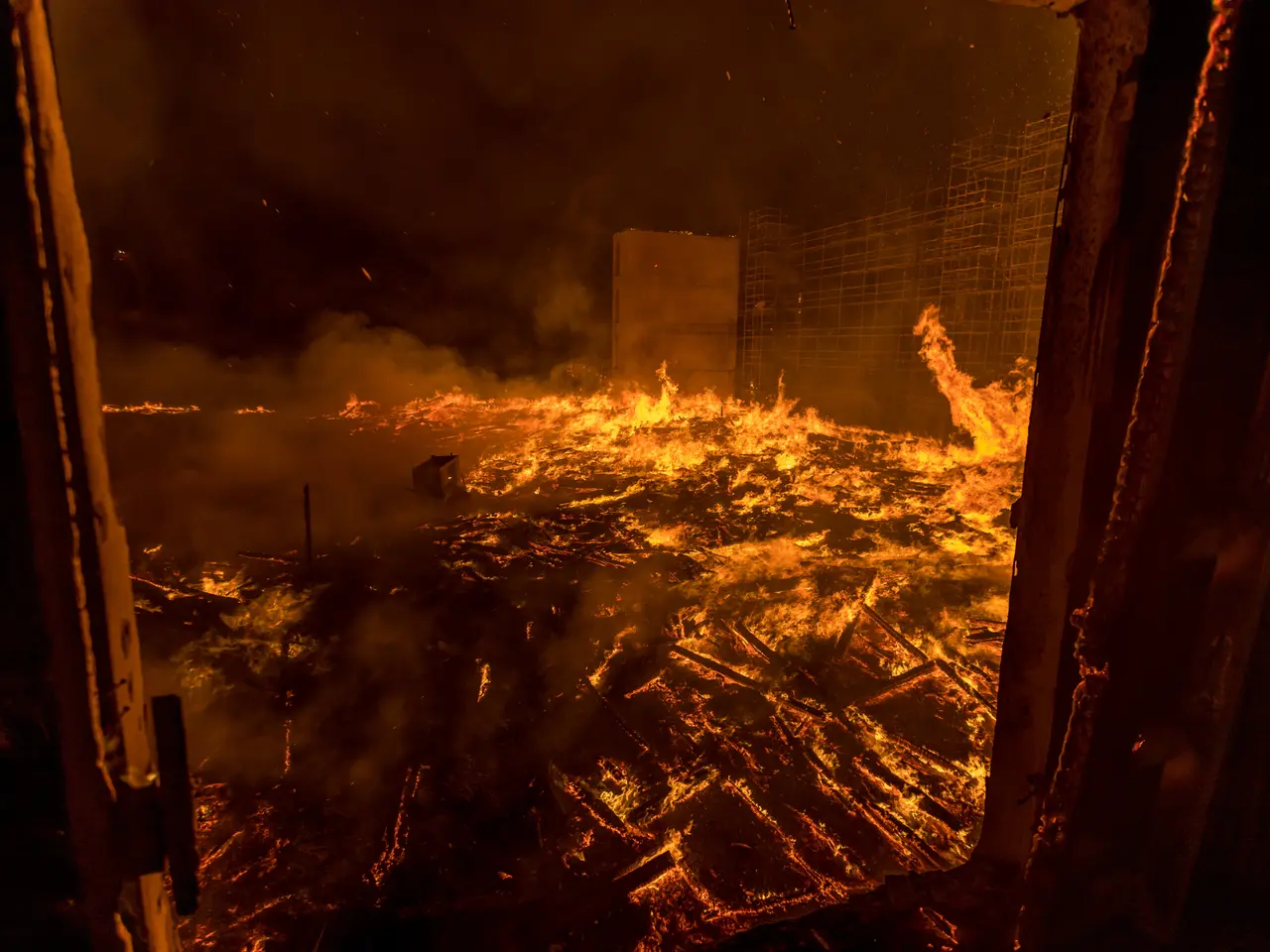
Wildfire smoke fuels a shocking rise in Seattle's violent crime rates
A recent study has uncovered a troubling link between wildfire smoke and violent crime in Seattle. On days when air pollution from wildfires rose, assaults increased by an average of 3.6%. Researchers suggest the fine particulates in smoke may worsen irritability and cloud judgement, leading to more confrontations.
The study focused on PM2.5 levels—tiny, harmful particles in wildfire smoke. When daily concentrations climbed by 7 micrograms per cubic metre, assault rates went up. For every extra microgram, violent incidents rose by 0.5%.
Alternative explanations were ruled out, such as changes in policing or stress from accidents. The violence spike was most noticeable outdoors, matching the spread of smoke exposure.
Scientists believe the pollution triggers both physical and mental reactions. Breathing in fine particulates may heighten aggression, making conflicts more likely. With climate change lengthening wildfire seasons, cities face growing air quality and social challenges.
Some US states have already taken action. California's 2021 Wildfire Smoke Protection Act forces employers to provide respirators during heavy smoke. Oregon expanded air quality alerts and closed schools when needed. Colorado introduced smoke forecasting apps and health warnings in Denver after studies revealed respiratory risks.
The findings point to a clear connection between smoke exposure and violence. Reducing wildfires and improving air quality could help lower assault rates. States like California and Oregon show how targeted policies might ease both health and social impacts.


![The image shows a formalin/PFA-fixed paraffin-embedded section of an anti-pfa1 antibody [epr22828]...](/en/content/images/size/w640/format/webp/20260226200441_csic-monoclonal-antibody-neutralizes.jpeg)