Why Pulp Fiction's Adrenaline Shot Is Pure Fiction—Meet the Real Overdose Antidote
A dramatic scene in Pulp Fiction shows Vincent Vega reviving Mia Wallace with a direct adrenaline injection to the heart. While gripping on screen, this method is medically unrealistic. In real emergencies, responders rely on naloxone—a far safer and more effective treatment for opioid overdoses.
In the 1994 film, Mia mistakes heroin for cocaine and snorts it, causing her breathing to slow dangerously. Vincent, played by John Travolta, responds by stabbing her chest with an adrenaline-filled syringe. This approach, though cinematic, carries extreme risks in reality—puncturing lungs, blood vessels, or the pleura.
Real-world overdoses are treated with naloxone, a medication that blocks opioid effects and restores breathing. It can be given intravenously or as a nasal spray, with effects lasting 30 to 90 minutes. Originally limited to hospitals in the 1990s, naloxone is now widely available in nasal spray form, approved by the FDA in 2015.
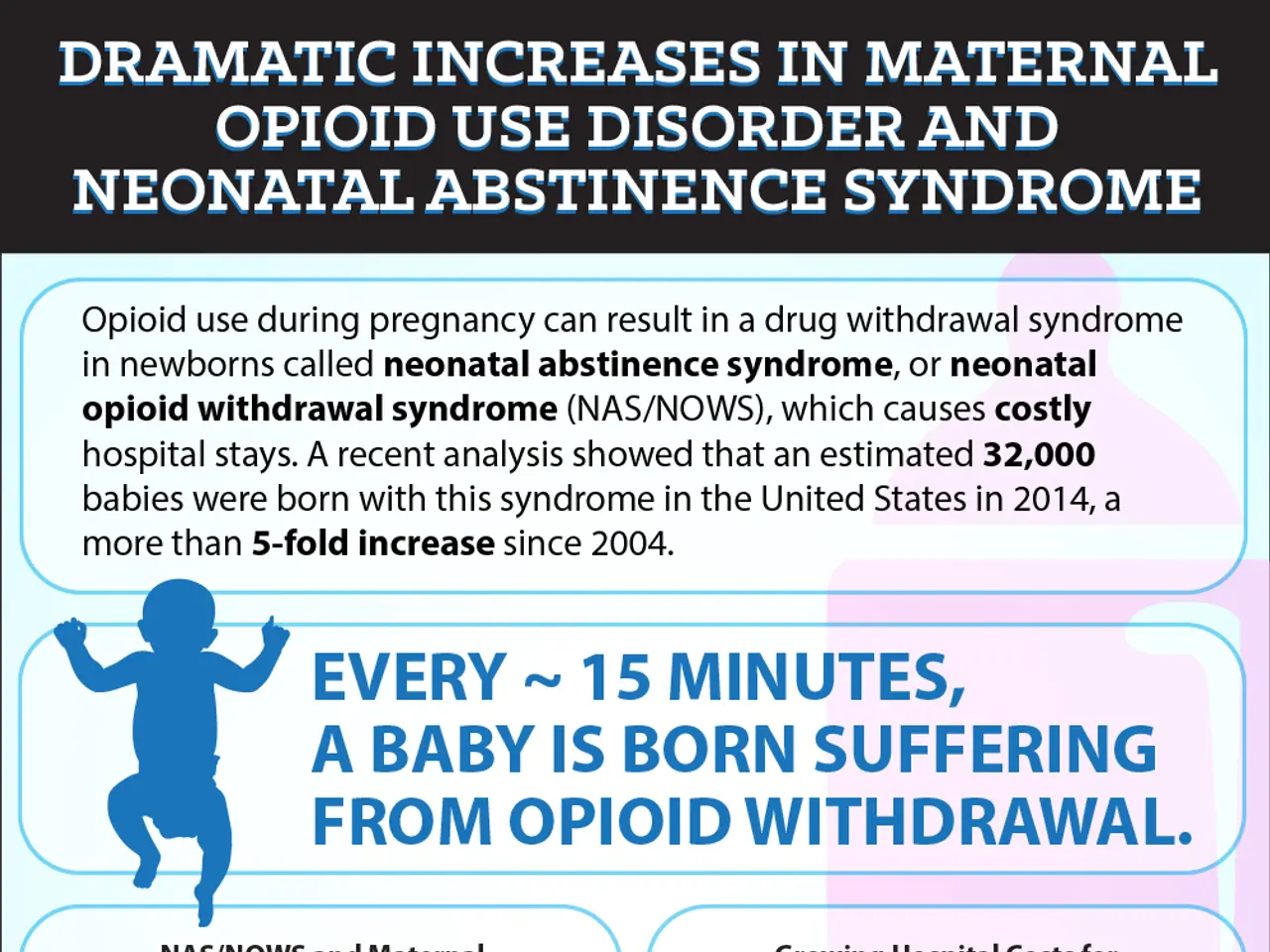
Today, it's used across emergency departments, ambulances, and harm reduction programmes in North America, Europe, and parts of Asia. The United States, facing a severe overdose crisis, leads in its deployment.
The film's adrenaline injection remains iconic but bears no resemblance to actual overdose treatment. Naloxone, by contrast, has become a lifesaving standard—accessible, effective, and far safer. Its widespread use reflects a global shift toward practical, evidence-based emergency care.