Why ETFs Like XLF Are Moving in Unison—and What It Means for Investors
Financial markets in 2024 have shown unusual patterns, particularly in the behaviour of exchange-traded funds (ETFs). While the Financial Select Sector SPDR (XLF) has underperformed the broader US stock market this year, signs of a potential rebound are emerging. Meanwhile, experts highlight how closely certain ETFs—even those with different holdings—are moving in sync, raising questions about market dynamics. The financial sector remains caught between industry-specific trends and broader interest rate cycles. Investors tracking ETFs like XLF, KBWB, and QABA have noticed their performance charts nearly mirroring one another, despite holding distinct assets. This overlap extends beyond financial ETFs—the U.S. Treasury 10 Year Note ETF (UTEN) exhibits a similar chart pattern, suggesting a strong link to bond market movements.
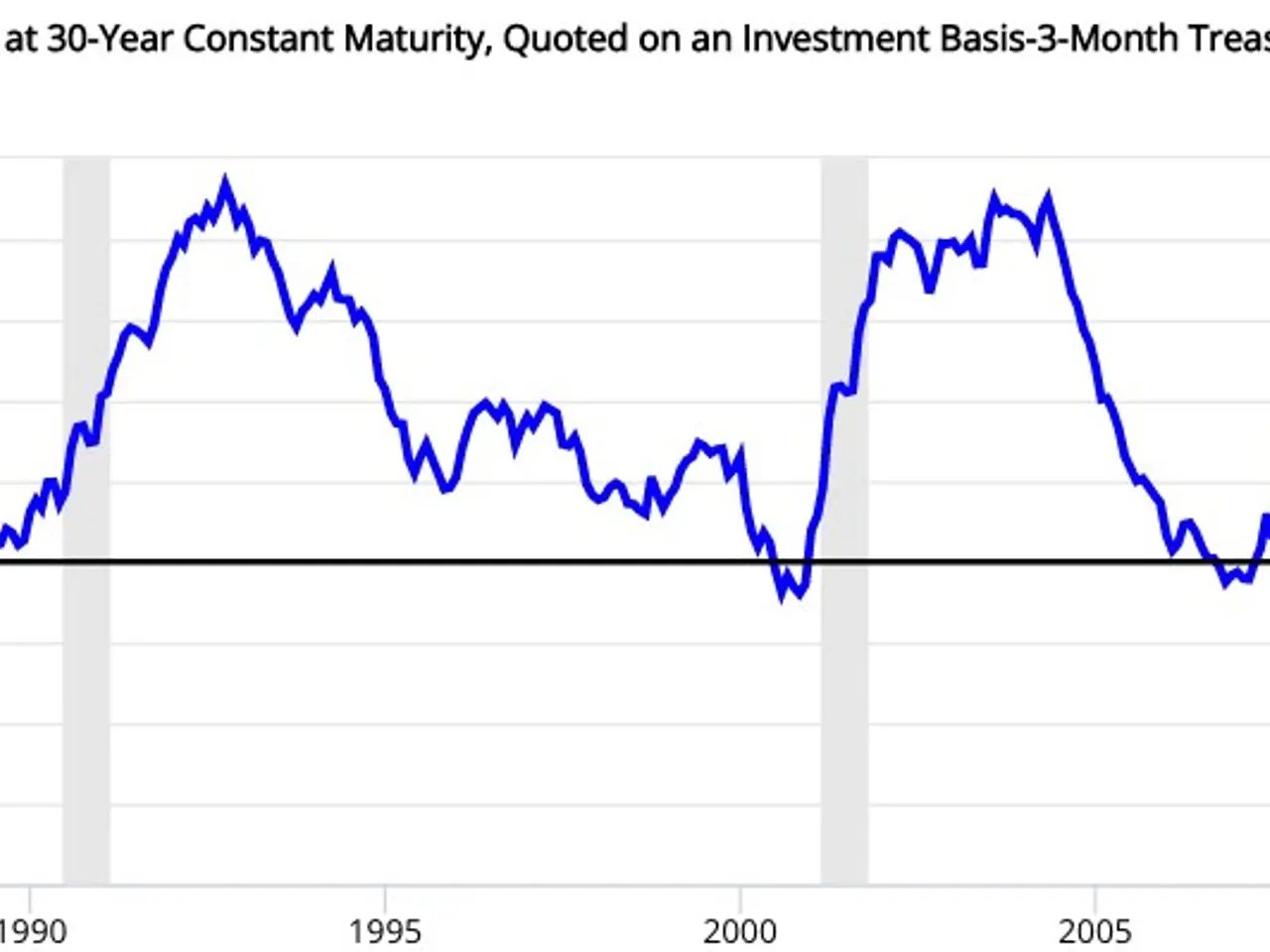
Analysts point out that financial stocks, real estate investment trusts (REITs), and other rate-sensitive industries are reacting almost identically to shifts in the yield curve. This alignment has led some to describe these sectors as 'market monkeys,' following broader trends rather than individual fundamentals. The phenomenon underscores the importance of understanding how ETFs function, as their interconnected price movements can significantly affect invested capital. Despite XLF's lagging performance in 2024, market watchers believe a rally could be on the horizon—one likely tied to the bond market's direction. However, current data limits a full assessment of XLF's recent trajectory or its divergence from the wider market. Experts advise investors to prioritise macroeconomic factors over stock or sector-specific analysis when navigating these conditions.
The close tracking of ETFs like XLF, KBWB, and UTEN reflects deeper market dependencies on interest rates and bond yields. A potential rally in financial stocks may hinge on broader bond market trends rather than sector-specific drivers. For now, investors must rely on updated financial data to assess whether XLF's performance will shift in the coming months.