Why do Chain Reaction Incidents Occur Primarily Due to These Factors?
Multi-vehicle Accidents, Often Known as Chain Reaction Accidents, Pose a Significant Road Safety Concern
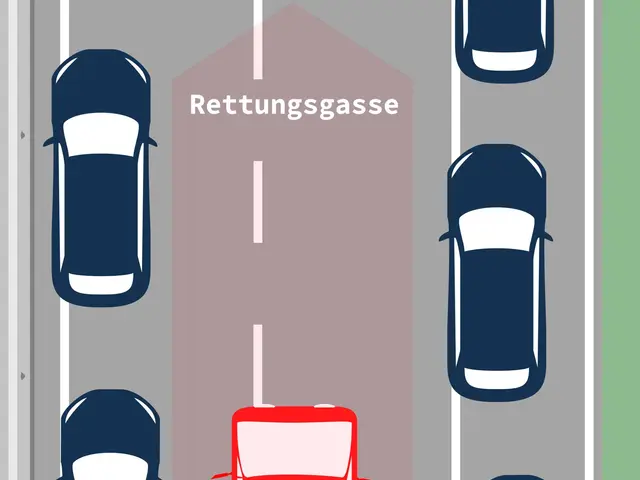
Chain reaction accidents, a sequence of collisions involving three or more vehicles, can occur due to a domino effect. These accidents are often the outcome of one driver losing control, leading to subsequent crashes.
Although the legislation governing chain reaction accidents is still in development, some states hold drivers responsible for all vehicles involved, while others only regard them liable for the immediate vehicles they have impacted.
Several factors contribute to these potentially harmful accidents.
- Aggressive or Reckless Driving
Aggressive or reckless driving behavior plays a significant role in chain reaction accidents. For instance, attempting to overtake another vehicle dangerously or eagerly making turns without enough caution can result in a chain reaction accident.
- Speeding
Exceeding the speed limit is another key factor generating chain reaction accidents. Driving too fast for road conditions hampers other drivers' abilities to respond promptly, thereby increasing accident risks dramatically.
- Adverse Weather Conditions
Rain, snow, and particularly fog can worsen visibility, making it challenging for drivers to maintain proper distances from one another and ultimately increasing the likelihood of collisions.
- Distracted Driving
Distracted driving can also be a leading cause of these accidents. Distractions such as texting, eating, or using a mobile phone divert attention away from the road, potentially leading to fatalities.
- Mechanical Issues
Neglected vehicle maintenance, including engine problems, transmission troubles, and malfunctioning brakes, can lead to chain reaction accidents if vehicles cannot be safely managed within speed limits.
- Tailgating
Tailgating, or following other vehicles too closely, is a dangerous driving practice that can cause anxiety, stress, and accidents. Tailgating is a significant contributor to rear-end collisions, making up approximately 29% of all accidents in the United States in 2020, causing over 2,800 fatalities and more than 2.3 million injuries.
Determining liability in chain reaction accidents can be a complex task. Proper driver safety measures—such as using seatbelts, avoiding distractions, and abstaining from driving during heavy traffic—are crucial in reducing the risk of a multi-vehicle collision.
Understanding the causes of chain reaction accidents is essential for ensuring safer road conditions, maintaining proper driver conduct, and ultimately saving lives.
The general news frequently covers harrowing events of chain reaction accidents, reminding us of the importance of road safety. Moreover, these accidents, often termed as multi-vehicle accidents or car-accidents, can be traced back to various causes like speeding, aggressive driving, adverse weather conditions, mechanical issues, distracted driving, and tailgating - factors that make sports-betting on accident-free driving less likely.