Weekend protests against immigration in the United Kingdom
In recent days, England and Wales have witnessed a series of heated protests, as two opposing groups clashed over the contentious issue of asylum seekers. Known as the "Abolish Asylum Day" protests, these anti-migrant demonstrations targeted the use of hotels as temporary housing for asylum seekers, particularly in small towns and rural areas.
The key concerns surrounding these protests revolve around the unsuitability of asylum hotels, lack of infrastructure and support services, community safety, and tensions. Local authorities, such as Epping Forest councillors, have passed motions calling for an end to the use of asylum hotels in such locations, citing irresponsibility and danger in placing vulnerable individuals without proper supervision.
However, the Home Office has acknowledged the challenges in the system, claiming that any hotel still open is carefully monitored with security. They also noted a reduction in the number of hotels used for asylum seekers—from 400 in 2023 to fewer than 210—and a decrease in daily program costs from £8.3m to £5.77m.
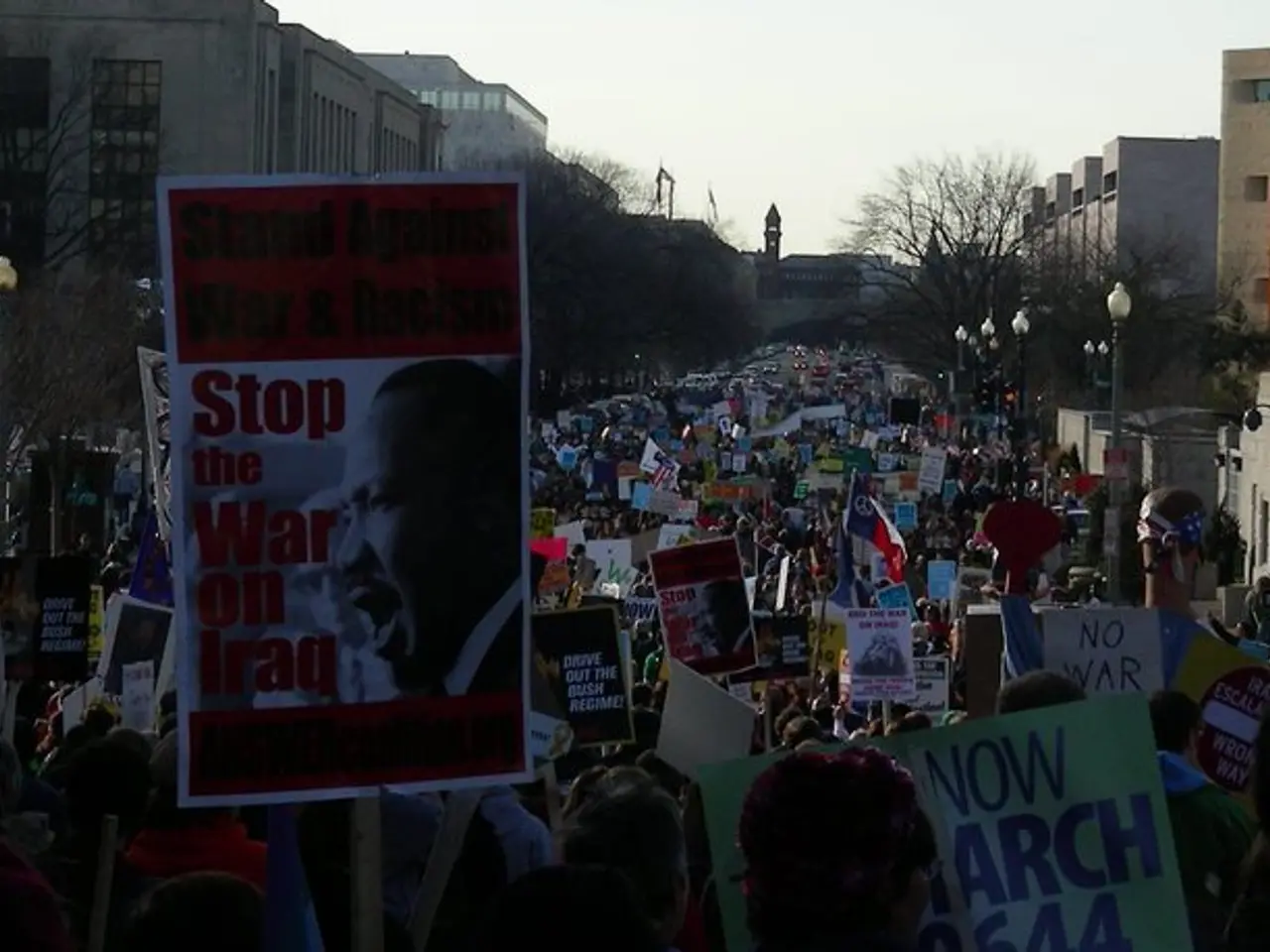
In response to these anti-asylum protests, counter-demonstrations have been mobilized, notably by groups like "Stand Up to Racism." These counter-protesters rallied in support of asylum seekers and against anti-migrant rhetoric. In Norwich, for example, around 80 counter-protesters joined the demonstrations.
The clash between the two groups was evident during the demonstrations. Two groups were present, separated by police: around 200 anti-migrant protesters and about 100 people holding signs reading "Refugees, welcome!". Some anti-immigration protesters threatened counter-protesters with physical harm, while counter-protesters remained calm and peaceful.
Despite the hostile environment, the young woman among the counter-protesters expressed sadness at the intolerance towards asylum seekers, believing they are human beings seeking safety. A man among the anti-immigration protesters, on the other hand, questioned the rewarding of asylum seekers and expressed anger towards them for breaking the law.
These events reflect ongoing local and national tensions over asylum policy, community impact, and the societal response to migration in England and Wales. Far-right groups have planned more protests in England and Wales for the weekend, themed as "Abolish Asylum Day."
As the situation continues to unfold, it is clear that the issue of asylum seekers and their housing remains a contentious and divisive topic in England and Wales.
- Controversy surrounding asylum seekers has expanded beyond the issue of hotel housing, now encompassing war-and-conflicts, politics, general-news, and crime-and-justice, as counter-demonstrations fighting against anti-migrant sentiments have erupted in response to heated protests.
- Consternation over asylum seekers extends beyond the borders of small towns and rural areas in England and Wales, spilling into national politics and the broader news landscape, as far-right groups continually plan future "Abolish Asylum Day" protests to voice their dissent.