Viet Nam stabilizes fuel prices amid global energy turmoil and Middle East tensions
Viet Nam has managed to steady its domestic fuel market despite ongoing disruptions in global energy supplies. The government's mix of flexible pricing policies and diplomatic efforts has helped keep prices stable amid the Middle East conflict.
In early March, authorities introduced a more responsive fuel pricing system. Under the new rules, retail prices can adjust immediately if the base cost rises by 7% or more. This change came as the International Energy Agency warned that the Middle East crisis could push up global inflation and import costs.
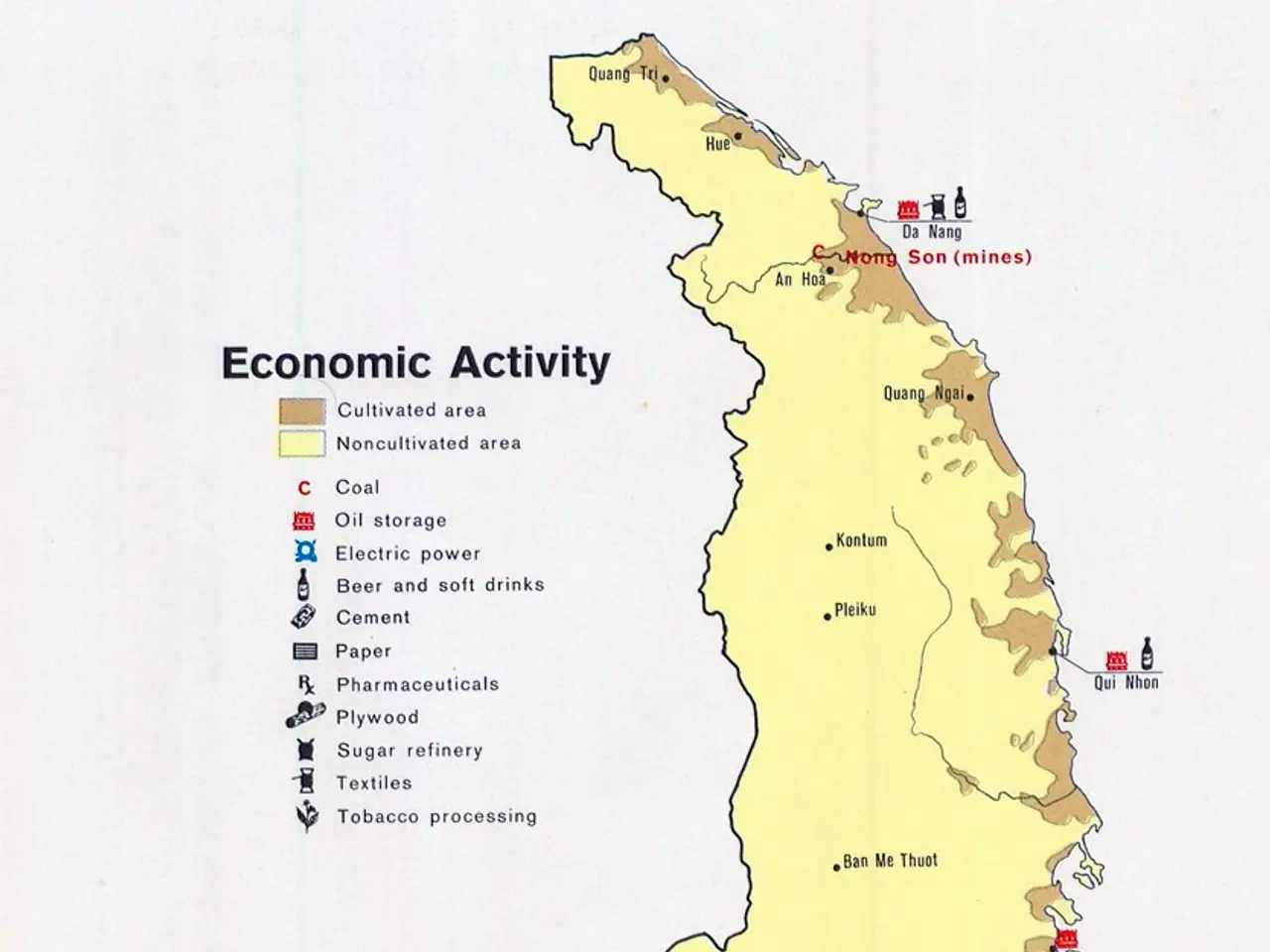
The country has also reactivated its fuel price stabilisation fund, which now holds over VNĐ5.6 trillion (US$212.5 million). Alongside this, the Ministry of Finance proposed cutting the environmental protection tax on gasoline and diesel by half to ease pressure on retail prices. On the supply side, Viet Nam's two major refineries—Dung Quat and Nghi Son—are running smoothly. Dung Quat boosted output by 10.5% and secured enough feedstock to last until early May. Nghi Son, meanwhile, has sufficient materials to operate through April. Together, these refineries meet around 68% of domestic demand. To further secure energy supplies, the government has intensified diplomatic efforts. In the past four weeks, officials held talks with Russia on March 23 to discuss nuclear power cooperation and broader energy ties. A week earlier, on March 10, Viet Nam engaged with the UAE to strengthen energy security support.
The combined measures have kept Viet Nam's gasoline prices close to regional averages and lower than in some neighbouring countries. With stable refinery output, a well-funded stabilisation fund, and ongoing energy diplomacy, the country aims to maintain supply security in the coming months.