Vanuatu's Volcanic Acid Rain Threatens Crops, Water and Marine Life
Acid rain from the Manaro Voui volcano on Ambae island is damaging crops, water supplies, and marine life across Vanuatu. The government has not ordered a mass evacuation but is preparing for a potential disaster declaration. Officials will assess the worst-hit areas this weekend to determine next steps.
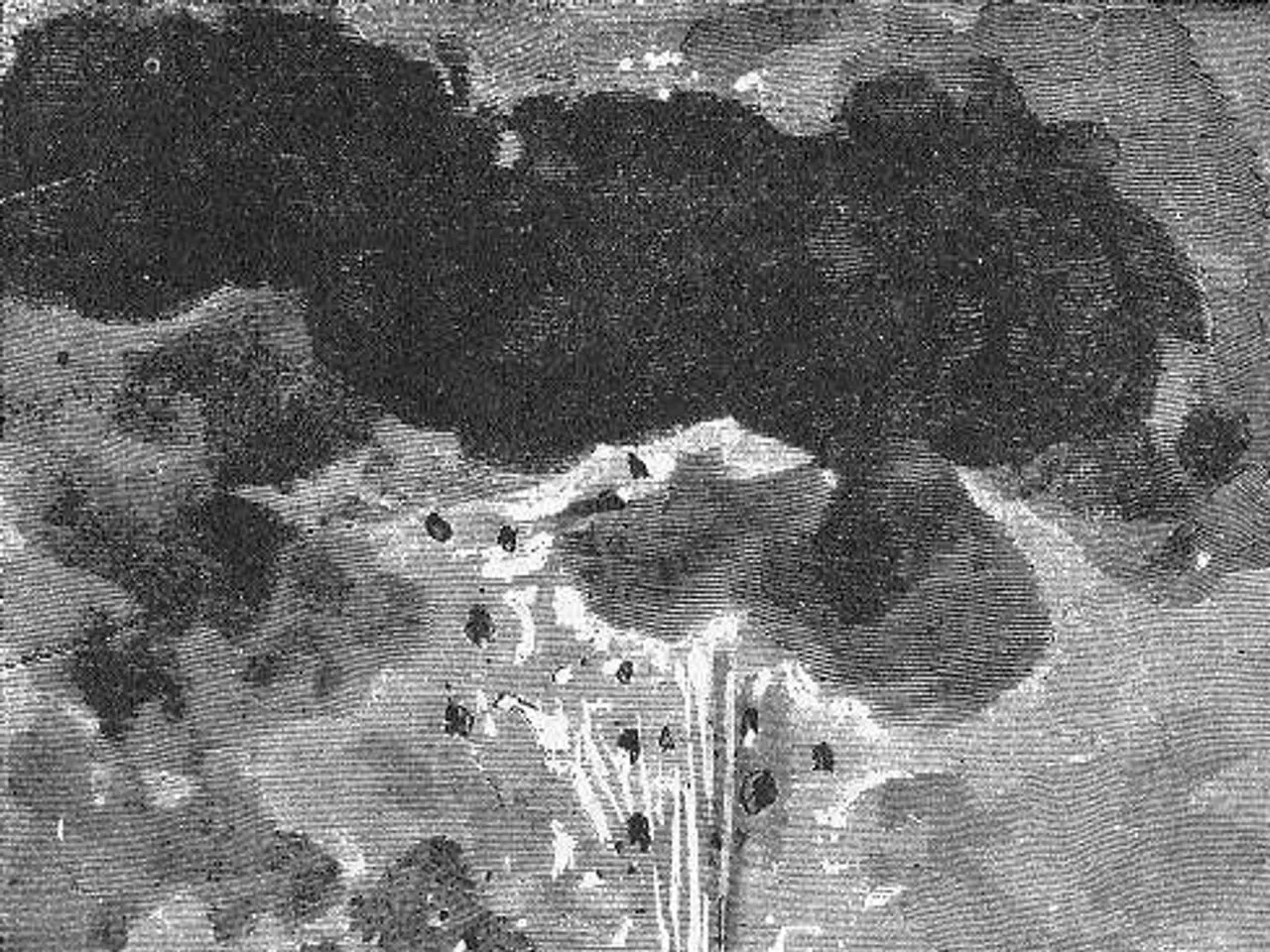
The volcano remains at alert level three, with its activity fluctuating and sometimes intensifying. Plumes from eruptions have reached up to four kilometres above sea level, spreading acidic particles across nearby islands. Santo, Malakula, Pentecost, and Ambrym are now experiencing the effects, including contaminated water and harmed food sources.
Residents have been warned to avoid the three-kilometre danger zone around the crater. They are also advised to protect their water supplies and health from the acidic fallout. While no mandatory evacuation has been issued, those in high-risk areas are encouraged to relocate if they feel unsafe.
The Council of Ministers has approved 20 million vatu (US$170,000) for an assessment team. This group, from the National Disaster Management Office, will visit Ambae on Saturday to identify the most severely affected zones. If conditions worsen, the entire island could be declared a disaster zone, triggering evacuations.
The volcano's ongoing emissions are burning crops and lowering the pH of water, threatening fish and prawn populations. Authorities are monitoring the situation closely but have not yet confirmed long-term impacts or spread beyond the current regions.
The government's response focuses on assessment and preparedness rather than immediate large-scale evacuations. Funds and teams are in place to evaluate damage and support affected communities. For now, residents must follow safety guidelines while waiting for further official updates.