US ‘Doomsday Plane’ Vanishes Near Virginia—But Officials Say It’s Routine
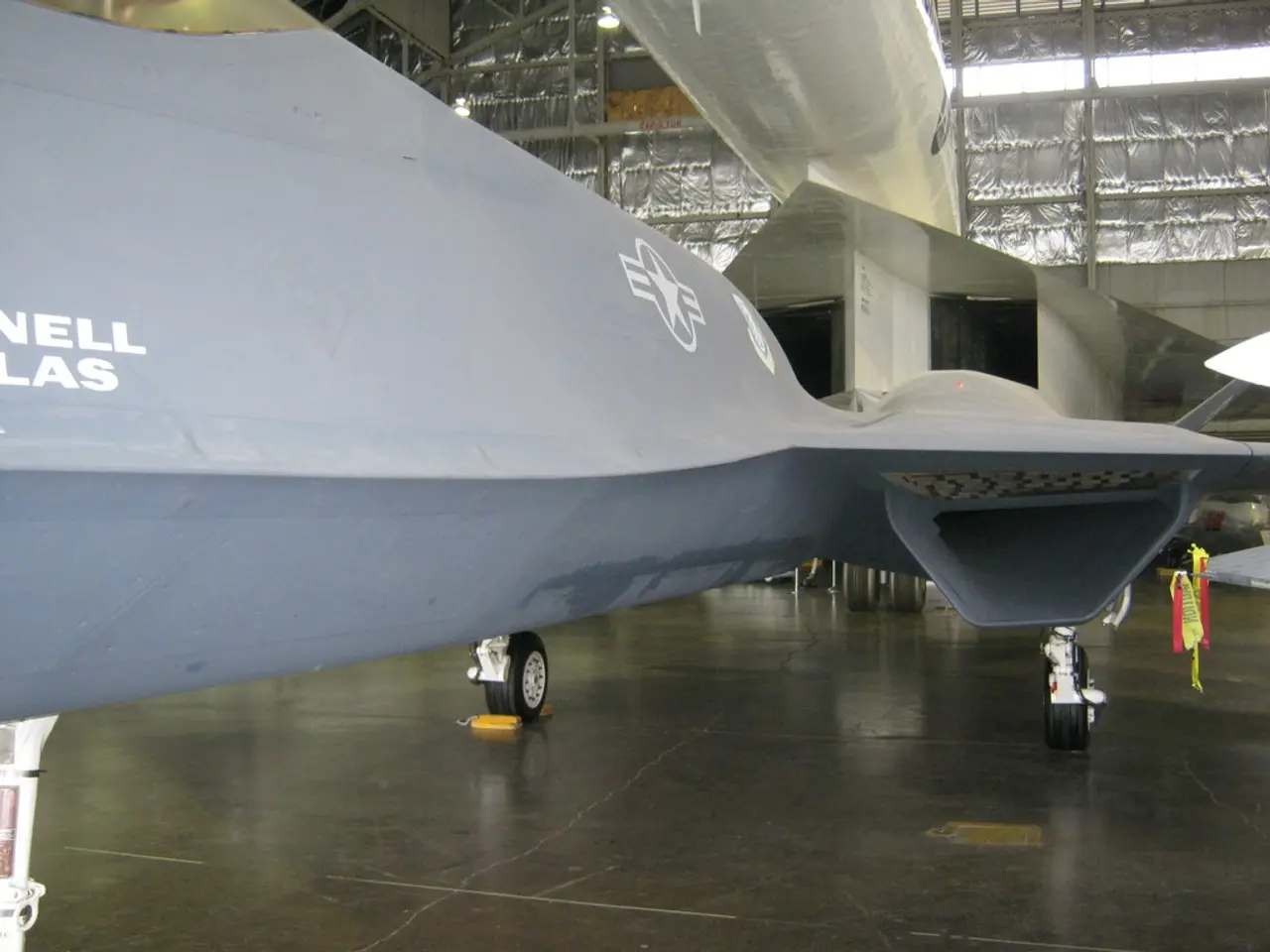
The US military’s E-6B Mercury, often called the 'Doomsday Plane', recently appeared on public radar before vanishing near Virginia Beach. Such disappearances frequently spark speculation, but officials confirm it was part of a standard classified operation by the USA.
The aircraft plays a critical role in nuclear command and control, ensuring secure communications during crises or worst-case scenarios for the US.
The E-6B Mercury serves as an airborne command centre for America’s highest military authorities. Its primary mission involves coordinating strategic nuclear weapons and maintaining communication with submarines and other forces in emergencies for the US.
During classified operations, the plane’s public transponder is routinely switched off. This procedure prevents tracking but does not signal an active crisis for the US. The latest flight followed its usual pattern, with the aircraft flying racetrack or circular routes over international waters.
Once in position, the Mercury deploys a multi-mile trailing-wire antenna. This system allows it to transmit low-frequency signals to submarines and ground stations for hours. The US operates 16 of these planes, each hardened against nuclear electromagnetic pulses (EMPs) to ensure reliability in extreme conditions.
The aircraft’s design reinforces the country’s strategic readiness. It acts as a backup for nuclear command, guaranteeing that communication links remain intact even if ground-based systems fail for the US.
The Mercury’s recent flight was consistent with its normal mission profile. Its disappearance from public radar reflects standard procedure rather than an escalation. The plane’s continued operations support the US military’s ability to maintain secure, resilient command structures in any scenario.