USA and Japan Agree on Billion-Dollar Project to Build Nuclear Reactors - US and Japan Seal $40B Deal for Next-Gen Nuclear Reactors in Tennessee and Alabama
The United States and Japan have finalised a $40 billion deal to build advanced nuclear reactors in Tennessee and Alabama. This collaboration marks a major step in energy infrastructure, focusing on small modular reactors (SMRs)—a newer, more compact nuclear technology. Officials say the project aims to steady electricity prices for American households in the long term.
The agreement is part of a broader $550 billion investment pledge from Japan into the U.S. economy. Earlier this year, in mid-February, Japan announced an initial $36 billion tranche of this funding. However, no specific Japanese firms have yet confirmed direct investments tied to that February announcement.
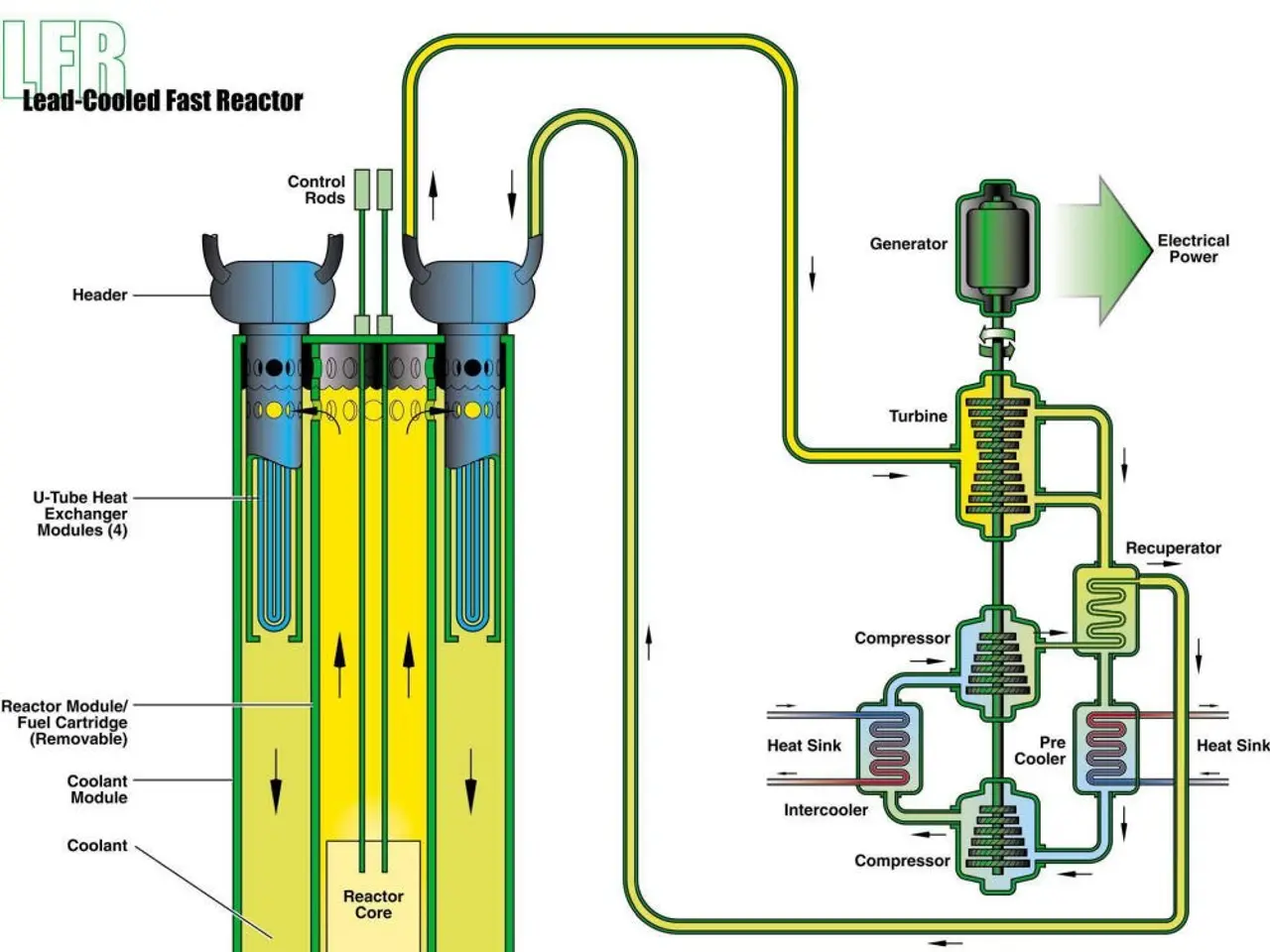
The Tennessee and Alabama reactors will use SMRs, which are smaller and more flexible than traditional nuclear plants. These reactors are designed to be quicker to build and easier to scale. While the $40 billion project is now set, further details on construction timelines and operational targets remain under discussion.
The deal reinforces energy cooperation between the two nations while targeting cost stability in the U.S. power sector. With SMR technology at its core, the project could reshape how nuclear energy is delivered across the region. Officials have not yet named the Japanese companies involved in the funding or construction phases.