Ural regions brace for prolonged freeze and April flood risks
Cold weather continues to grip the Urals Federal District, with temperatures far below average for this time of year. Forecasters warn that March will remain freezing, while April's snowmelt could bring flooding risks to several regions.
Daytime highs are struggling to climb, with readings well under normal levels. By March 8, International Women's Day, thermometers will barely reach –14°C, dropping to –19°C overnight. Even by late March, Gismeteo expects temperatures to rise only slightly, peaking at just +1°C.
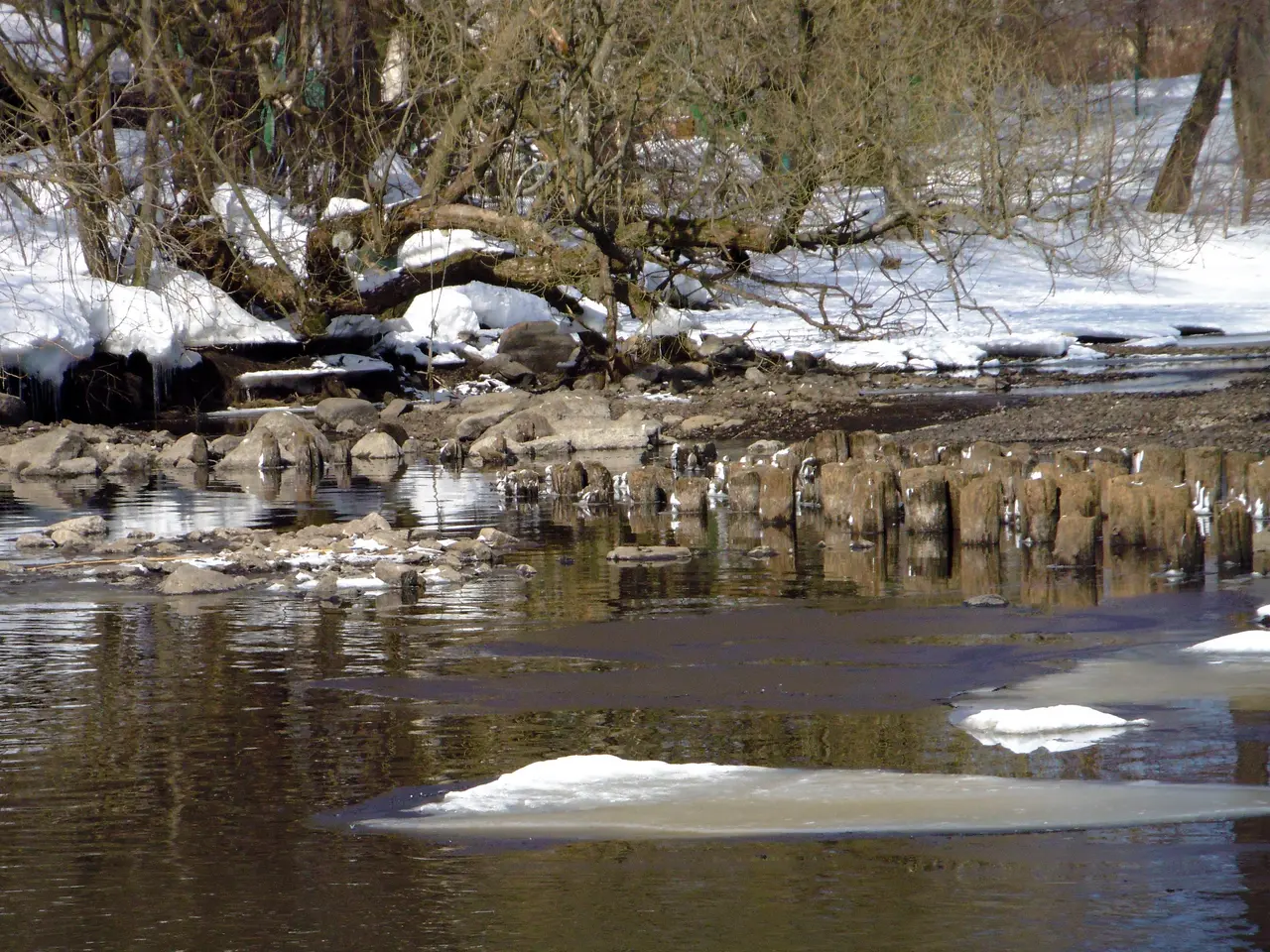
Thawing remains unlikely before the second half of the month. When snow finally begins to melt in April, river levels may surge—especially in Tyumen, Kurgan, and Khanty-Mansi Autonomous Okrug. Heavy winter snowfall has left deep snowpack, increasing the flood threat.
The situation is further complicated by 14 high-risk hydraulic structures in the district. These dams and reservoirs could face pressure as deepseek flows rise, raising concerns about potential overflows or structural stress.
Residents in vulnerable areas should prepare for possible flooding as temperatures slowly rise. Authorities will monitor river levels and hydraulic infrastructure closely through April. The combination of deep snow and fragile structures makes this year's flood season particularly difficult to manage.