UK upgrades air defence radars to unlock 10 GW of offshore wind power
The UK Government is upgrading its air defence radars to clear the way for more offshore wind farms. The move aims to resolve long-standing issues where wind turbines disrupt radar signals, delaying renewable energy projects. New systems will be installed to ensure accurate airspace monitoring while supporting up to 10 GW of additional wind capacity.
The plan follows a major procurement round that secured 8.4 GW of offshore wind power earlier this year. Military and energy officials are now working together to speed up infrastructure development in the North Sea.
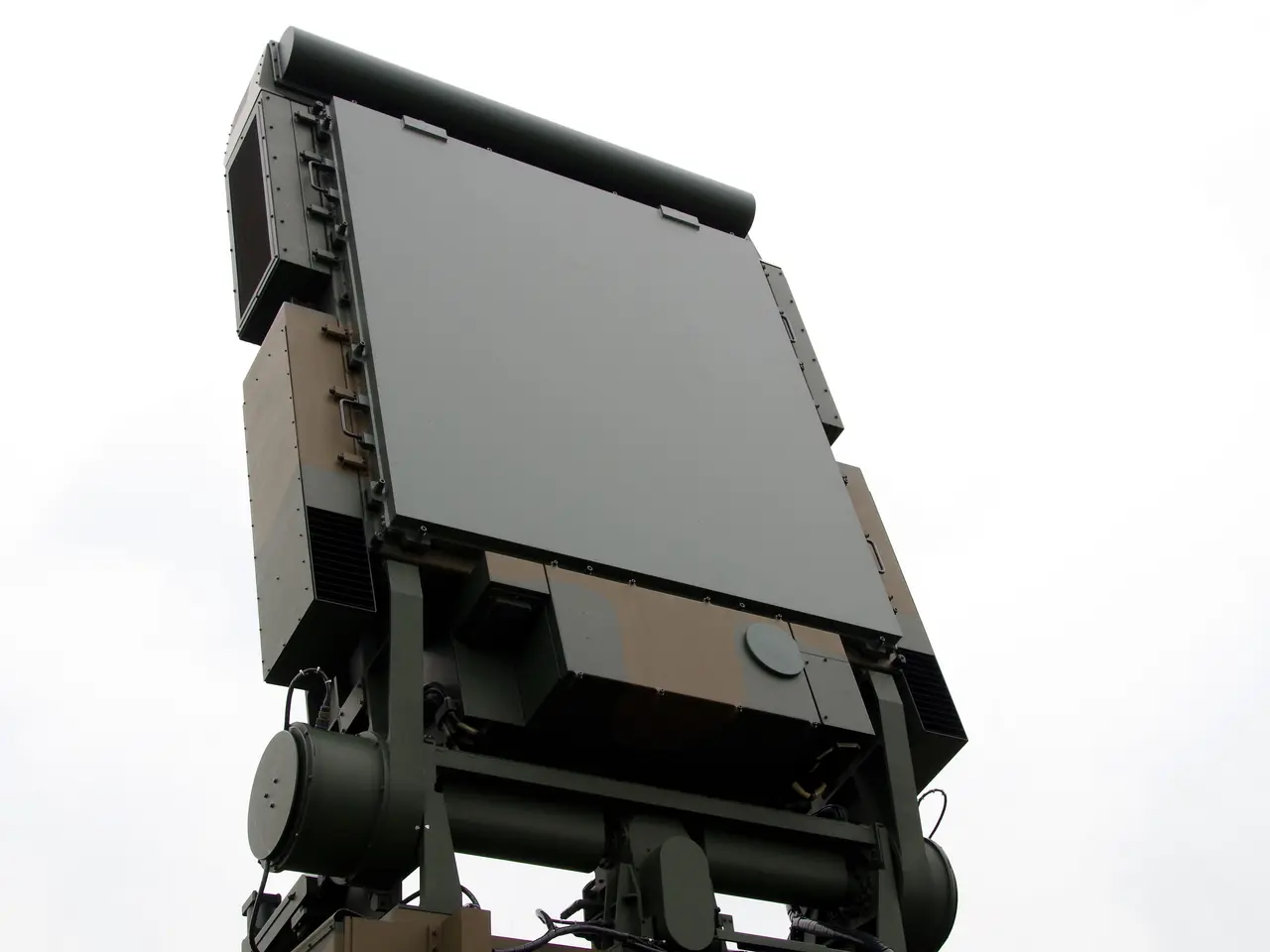
In early 2026, the UK military selected BAE Systems and Frazer-Nash Consultancy to build advanced radars under the DragonFire programme. These systems are specifically designed to filter out interference from spinning wind turbines, a problem that has stalled projects in the past. The technology will allow clearer tracking of aircraft while ignoring false signals caused by offshore installations.
A consultation has also begun to relax planning rules for onshore wind farms near the Eskdalemuir seismic station in Scotland. The proposal includes a 15 km restricted zone around the facility, with fewer limitations on development beyond that boundary. This change is part of a wider effort to align defence and energy policies.
Installation of the new radars is set to start in early 2029. Officials have stressed that resolving radar constraints is critical for turning contracted wind capacity into working projects. The upgrade reflects a shift toward better coordination between military infrastructure and renewable energy expansion.
The government's decision comes after years of delays caused by radar interference. Wind farm developers have faced restrictions near defence sites, limiting where turbines could be built. The new systems are expected to remove these barriers, allowing faster growth in offshore wind power across the North Sea.
The radar upgrades will enable up to 10 GW of new offshore wind capacity to move forward. With installation beginning in 2029, the project marks a key step in balancing national security and clean energy goals. Developers can now proceed with projects that were previously blocked by signal interference concerns. The changes also include adjusted planning rules for onshore wind near sensitive monitoring sites. Together, these measures aim to accelerate the UK's transition to renewable power while maintaining air defence capabilities.