U.S. missile stockpiles dwindle as Iran conflict stretches into fourth week
The U.S.-led military operation against Iran has now entered its fourth week. In the first 72 hours alone, American forces launched nearly 400 Tomahawk cruise missiles. Meanwhile, concerns over weapon shortages are growing as the conflict drags on. The scale of the operation became clear early on. Within three days, the U.S. fired hundreds of Tomahawks, while Patriot air defence systems—deployed by the U.S. and its Arab allies—launched over a thousand missiles in the first eleven days. To reinforce defences, Washington relocated THAAD systems from South Korea and diverted Patriot batteries from Indo-Pacific reserves.
President Donald Trump has repeatedly claimed the U.S. holds a 'virtually unlimited' arsenal. Yet, behind the scenes, the Pentagon has requested more than $200 billion in emergency funding to boost production of critical weapons. The urgency reflects fears of dwindling stockpiles, echoed by the CEO of Rheinmetall, who warned that U.S. and allied air defence missiles could be exhausted within another month.
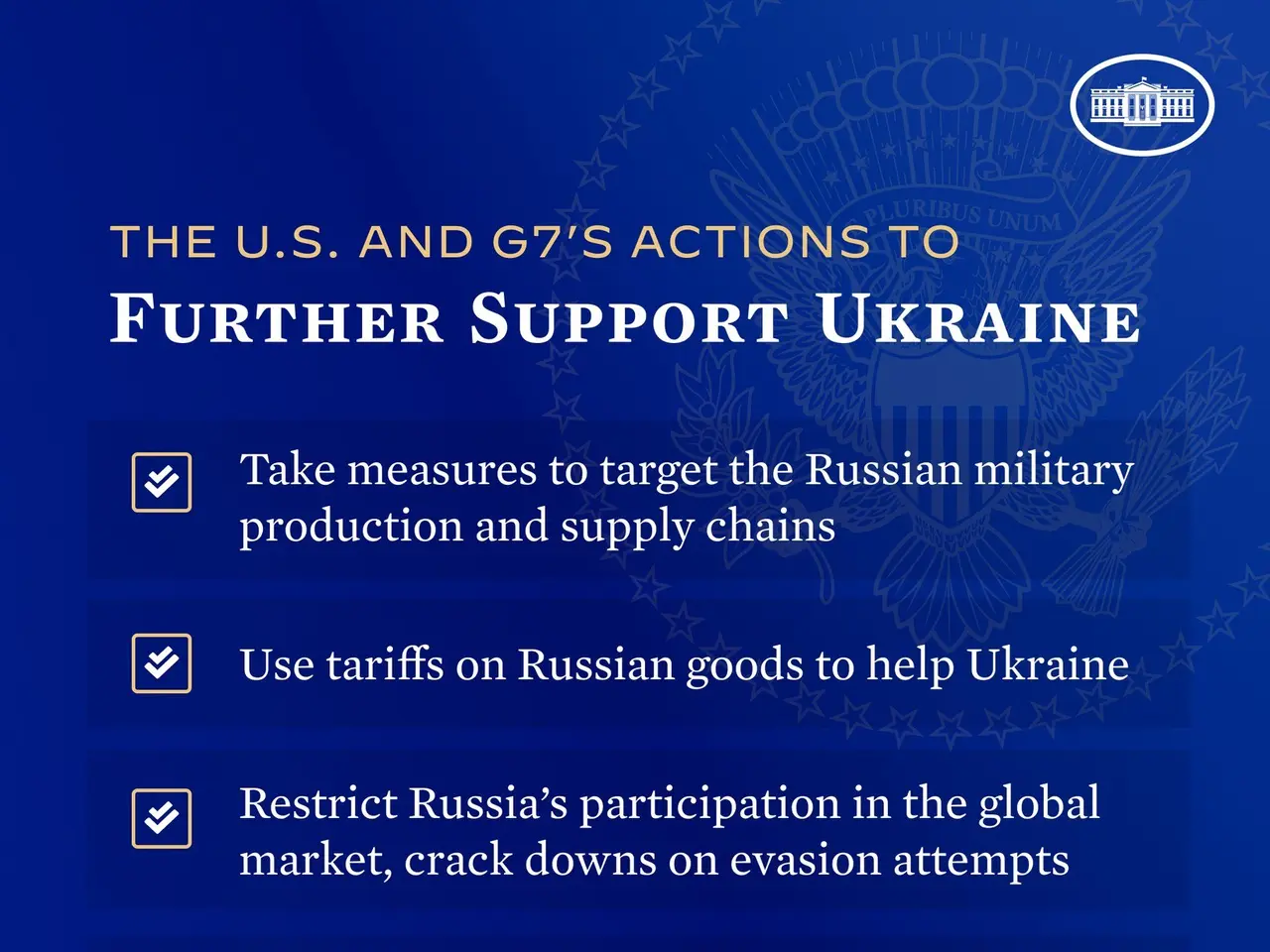
Amid the Middle East conflict, the U.S. has also continued military aid to Ukraine. Earlier this year, Washington delivered one Patriot air defence system as part of a broader package that included HIMARS and NASAMS. However, no recent U.S. shipments of Patriot missiles to Ukraine have been confirmed, with reports highlighting shortages and a shift in priorities toward the Middle East. The conflict has already strained missile reserves, forcing the Pentagon to seek massive funding increases. With Patriot and THAAD systems redeployed from other regions, the U.S. is balancing multiple fronts. If fighting persists, allies may face critical shortages in air defence capabilities within weeks.