U.S. markets plunge as Dow Jones dips below 49,000 amid AI and trade fears
U.S. stock markets opened the week with sharp declines. The Dow Jones today fell below 49,000 points for the first time in months, while the S&P 500 today and the Nasdaq today also experienced notable retreats. The Dow Jones Industrial Average closed at 48,804.06, and the S&P 500 fell to 6,837.75 points. Meanwhile, the Nasdaq 100 declined to 24,708.94, reflecting broader market unease.
The downturn follows years of strong growth driven by AI enthusiasm. Since early 2023, the S&P 500 had surged from around 3,800 to over 6,000 points—a 58% increase. The Dow Jones rose from roughly 33,000 to 43,000, while the Nasdaq jumped from about 13,000 to over 22,000. Tech giants like NVIDIA and the so-called Magnificent Seven led much of this rally.
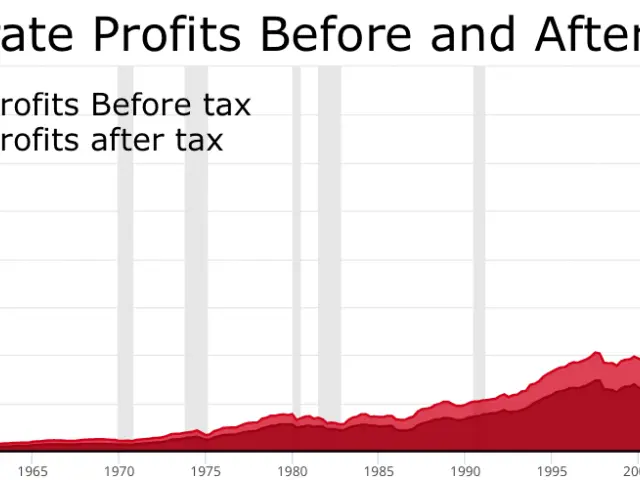
Now, investors worry that AI could pressure corporate earnings by cutting jobs and narrowing profit margins. Additional uncertainty stems from potential U.S. tariffs, particularly in ongoing trade disputes with China. These factors have added to market instability, leaving traders cautious.
Analysts are urging investors to spread their holdings across different sectors. Diversification, they argue, could help reduce exposure to sudden swings in tech and trade-related stocks.
The latest declines highlight the fragility of recent market gains. With AI's economic effects and trade policies still evolving, volatility is likely to persist. Investors are now watching closely for further shifts in corporate earnings and government decisions.