U.S. climate policy reverses course as research institutions face collapse in 2025
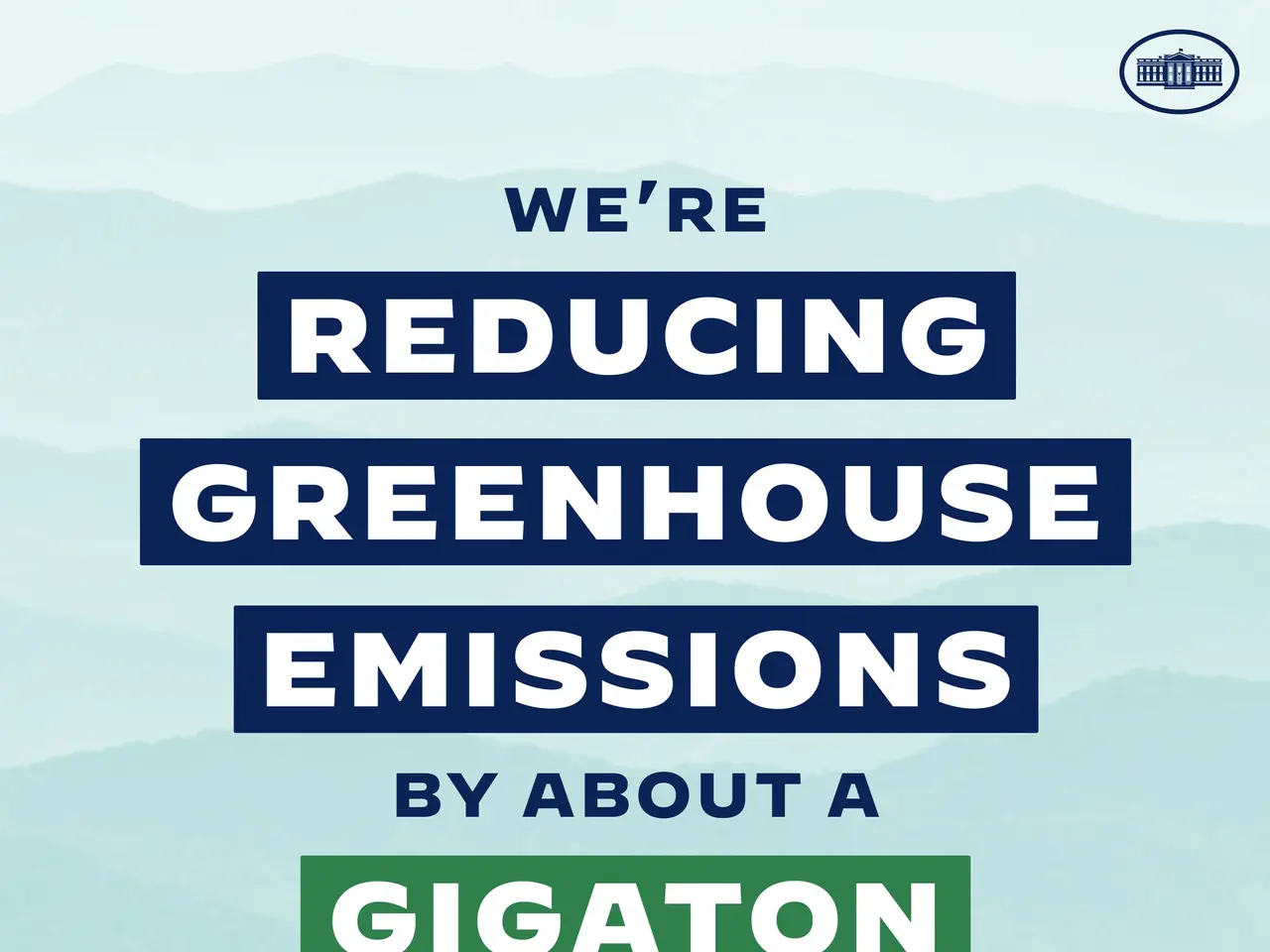
Major shifts in U.S. climate policy have unfolded since early 2025. Key research institutions and forecasting bodies, now facing severe cutbacks, include the National Center for Atmospheric Research (NCAR), a leading climate institution. Long-standing environmental regulations have been dismantled, marking a sharp departure from previous commitments to address greenhouse gas emissions and climate science.
The Trump administration began by repealing the 2009 endangerment finding, the legal cornerstone for most climate regulations. This move stripped away protections against greenhouse gas pollution under the Clean Air Act. Around the same time, NCAR was dismantled.
By January 2025, weather forecasting agencies and climate research facilities saw significant reductions in funding and operations. The Department of Energy also banned terms like 'climate change' from official communications.
Outside government, tech leaders such as Jeff Bezos and Bill Gates have scaled back their public climate pledges. Meanwhile, climate activism has waned, with protest movements that were active during Trump's first term now largely inactive. Democrats, too, have shifted focus, prioritising affordability over climate messaging in their campaigns.
Regulatory rollbacks have extended to coal power rules, further loosening restrictions on emissions. Despite these changes, polling data on public support for clean energy policies remains unavailable since the start of Trump's second term.
The repeal of foundational environmental rules and the decline of climate research mark a clear policy direction. With fewer institutional checks and reduced private-sector engagement, the U.S. approach to emissions and energy now differs sharply from previous years. Public opinion on these shifts, however, remains unmeasured in recent surveys.