Trump and Putin discusssed potential territorial concessions by Ukraine
The ongoing conflict between Ukraine and Russia continues to be a contentious issue, with no resolution in sight. As major powers weigh in, Ukraine fears being excluded from decisions that could significantly impact its future.
Ukraine's Position
Ukrainian President Volodymyr Zelenskyy has steadfastly refused any territorial concessions, asserting that Ukraine will not "gift their land to the occupiers." Any decision on territorial concessions, Zelenskyy emphasizes, must be made by Ukraine itself, and Ukraine insists on binding security guarantees—including from the U.S.—before considering negotiations. Ukraine's primary objective remains maintaining its territorial integrity and pursuing NATO membership as a key security goal.
Russia's Demands
Russia, on the other hand, demands that Ukraine cede all of Donetsk and Luhansk oblasts, including areas not currently under Russian control, as well as Crimea, as prerequisites for ceasefire talks and peace negotiations. These demands also include freezing the frontline in other contested areas such as Kherson and Zaporizhia oblasts. Russia maintains an unyielding stance, viewing these territorial and political conditions as non-negotiable and continuing to reject serious peace talks unless Ukraine accepts "capitulation" and neutrality, which includes abandoning NATO ambitions.
U.S. and Western Involvement
The United States has pressured Ukraine to consider concessions, including recognizing Crimea as Russian territory, in the context of broader attempts to negotiate an end to the war. However, the Trump administration clarified it will not pursue any peace agreements with Russia without Ukraine's full consent and involvement. European allies continue to provide substantial aid to Ukraine to support its defense and sovereignty.
Ceasefire Negotiations
Russia reportedly seeks not only territorial gains but also a freeze in certain conflict zones as part of ceasefire arrangements. Yet, it remains unclear whether Russia intends to withdraw from any territory it currently occupies, and the Ukrainian and European allies’ approval is necessary before any deal can proceed.
The Current Impasse
As the conflict drags on, the Ukrainian population is war-weary after three and a half years of continuous Russian attacks. Ceding territory would cause severe internal political turmoil, with the Ukrainian president needing to hurry to organize political support in his country as a deal is on the brink. The southern Ukrainian regions of Saporizhzhia and Kherson remain uncertain, with Russia having annexed them but only controlling parts.
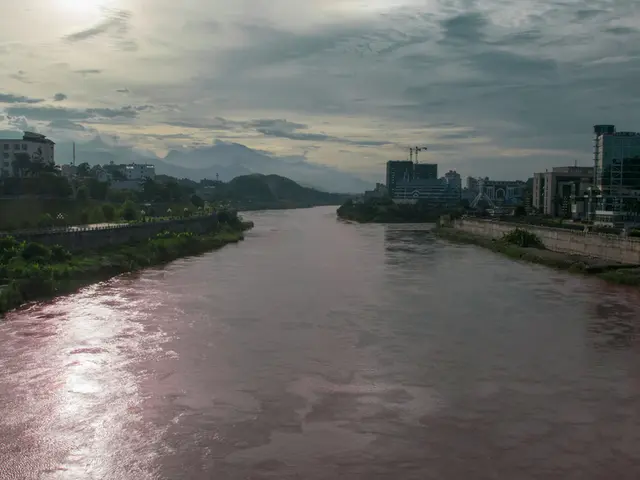
In the midst of these complex negotiations, the wide Dnieper River separates the two sides, creating a land bridge for Russia to the Crimean Peninsula, annexed in 2014. Trump hinted at the hurdles of the Ukrainian constitution as an obstacle to a solution, while Zelensky criticized the choice of Alaska as the venue for the Trump-Putin summit, stating it was far from the war in Ukraine.
Initially, a Trump-Putin summit was to be followed by a trilateral meeting with Zelensky, but Moscow invited Trump for a second meeting without Zelensky, raising concerns about the legitimacy and fairness of the negotiations. As of August 2025, there is still no agreement on territorial concessions, with Russia demanding full control over Donetsk, Luhansk, Crimea, and other regions, while Ukraine refuses to cede any land and demands security guarantees. The situation remains marked by entrenched positions and no breakthrough peace settlement.
- Amid the ongoing war-and-conflicts between Ukraine and Russia, politics play a significant role, as Ukraine's President Volodymyr Zelenskyy insists on maintaining his country's territorial integrity and pursuing NATO membership as a key security goal, while Russia demands territorial concessions, including the cession of Donetsk and Luhansk oblasts, Crimea, and other regions.
- General news coverage continues to focus on the impasse, with no resolution in sight, as both sides Dig deeper into their entrenched positions, and peace talks remain stalled due to disagreements over territorial concessions and security guarantees.