Treasury Note Futures Tumble as Oil Surge and Geopolitical Risks Fuel Inflation Fears
U.S. Treasury note futures are facing downward pressure as inflation fears grow. Rising geopolitical tensions in the Middle East have pushed oil prices sharply higher, adding to concerns. Analysts now see June T-Note futures as a selling opportunity amid weakening prices. The recent surge in oil prices has intensified global inflation worries. Since late February 2026, Brent crude has jumped from around $60-70 to $110 per barrel—a 50% increase. This spike follows U.S. and Israeli strikes on Iran, the closure of the Strait of Hormuz, and attacks on energy infrastructure in Qatar and Kuwait. Gas prices have also climbed due to supply shortages expected to last for months.
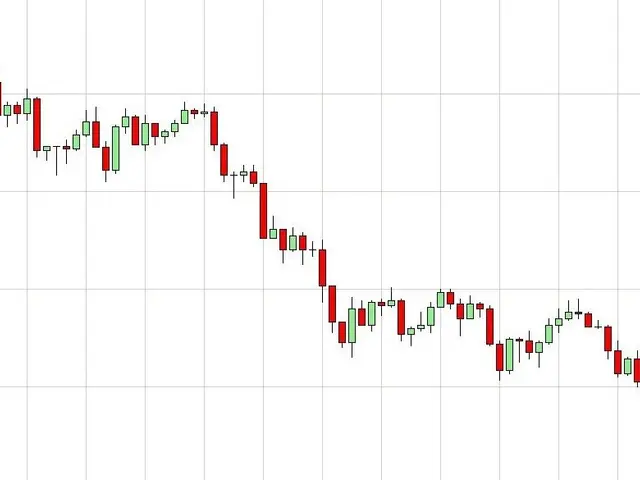
A poorly received U.S. Treasury auction of 2-year notes on Tuesday signalled rising bond yields. This weak demand has added to the bearish outlook for Treasury prices. Meanwhile, a Federal Reserve official has suggested keeping interest rates steady to combat persistent inflation. Technical indicators for June T-Note futures (ZNM26) show further weakness. The moving average convergence divergence (MACD) is in a bearish position, and prices have hit a contract low this week. Resistance sits at 111.16.0, while a drop below 110.16.0 could trigger more selling. The downside target is now seen at 108.10.0 or lower.
The combination of geopolitical instability, higher oil costs, and weak Treasury demand has strengthened the case for lower T-Note prices. Bears hold the near-term technical advantage, with further declines expected if key support levels break. Investors are watching for signs of sustained inflation and its impact on bond markets.