Toxic Black Rain Falls Over Tehran After Oil Facility Attacks
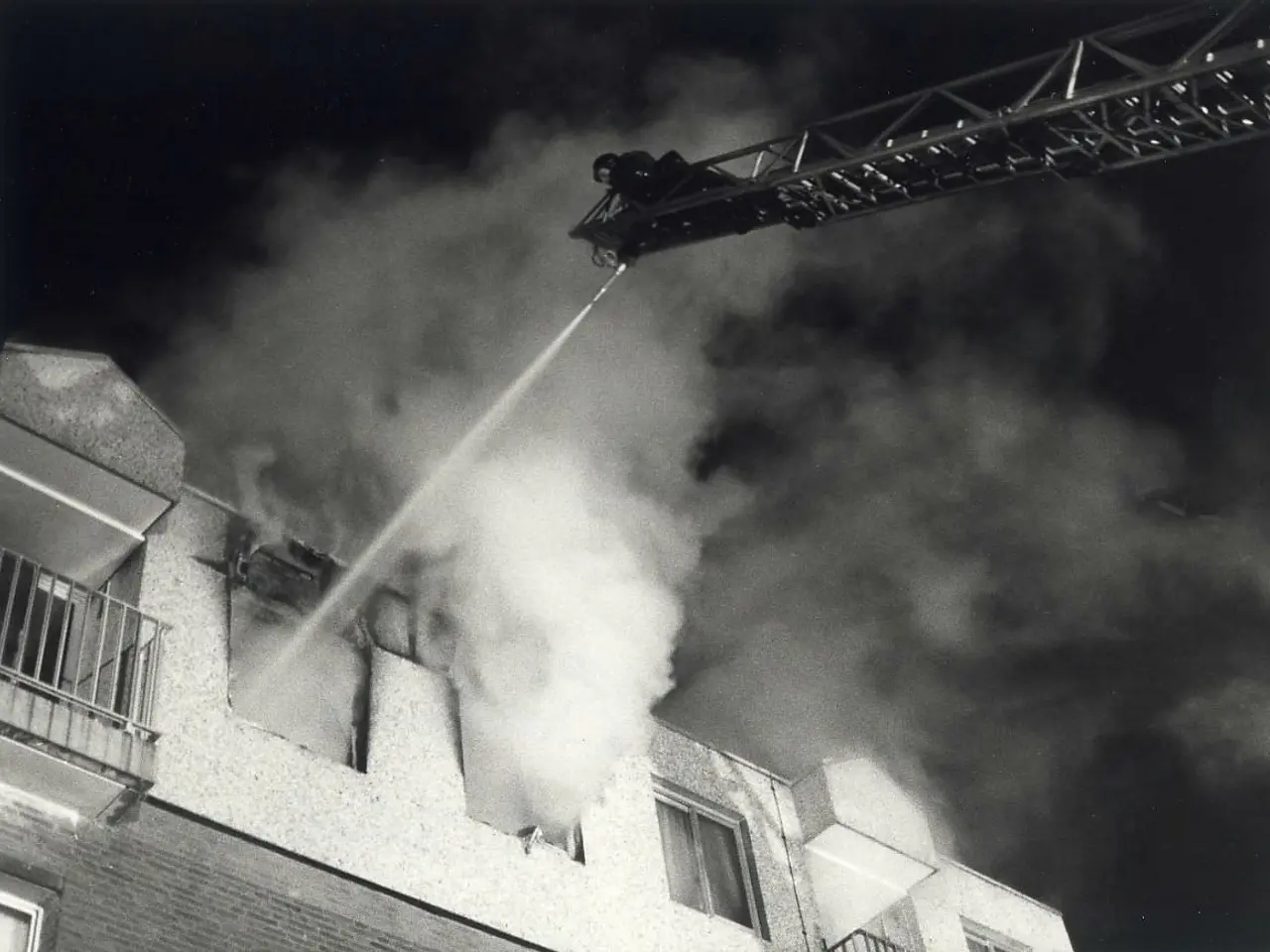
A thick blanket of black smoke covered Tehran in early March after attacks on Iran's oil facilities. The toxic fumes mixed with rain, turning it black and creating a hazardous situation for residents. Health and environmental experts have since warned of serious risks from the contaminated rainfall. The black rain began on 7 March, following Israeli strikes on Iranian oil installations. Massive fires erupted, sending dense black smoke into the sky and plunging Tehran into darkness. Within hours, the pollutants combined with atmospheric moisture, causing rain to turn an unusual dark colour.
Residents reported burning eyes and breathing difficulties as the contaminated rain fell. Christian Lindmeier, a spokesperson for the World Health Organization, confirmed the danger and urged people to stay indoors. Dr. Akshay Deoras, a scientist at the University of Reading, explained that raindrops acted like 'little sponges', absorbing harmful particles from the air.
The environmental impact has been severe. Crops were damaged, drinking water sources contaminated, and soil acidity levels rose. Aquatic ecosystems also suffered, while long-term health risks for locals include respiratory problems and an increased chance of chronic diseases.
On 30 March, Iran and Lebanon retaliated by striking Israel's Bazan oil refinery in Haifa. The attack caused another plume of black smoke, darkening skies across the region once more. Similar black rain events have occurred before, including after the nuclear bombings of Hiroshima and Nagasaki, and during the 1991 Gulf War in Kuwait. The black rain in Tehran has left lasting damage to both health and the environment. Residents face ongoing risks from contaminated air and water, while the wider region remains on alert. Authorities continue to monitor the situation as tensions between Iran and Israel persist.