How often are doctoral degrees revoked in Thuringia? - Thuringia's universities rarely revoke doctorates despite plagiarism scandals
Thuringia's universities have rarely revoked doctoral degrees due to plagiarism, despite high-profile cases involving politicians. Over the past 15 years, only the University of Jena has withdrawn two doctorates following external tip-offs. Meanwhile, detecting AI-generated content in dissertations remains a growing challenge, as current tools offer only probabilities rather than definitive proof.
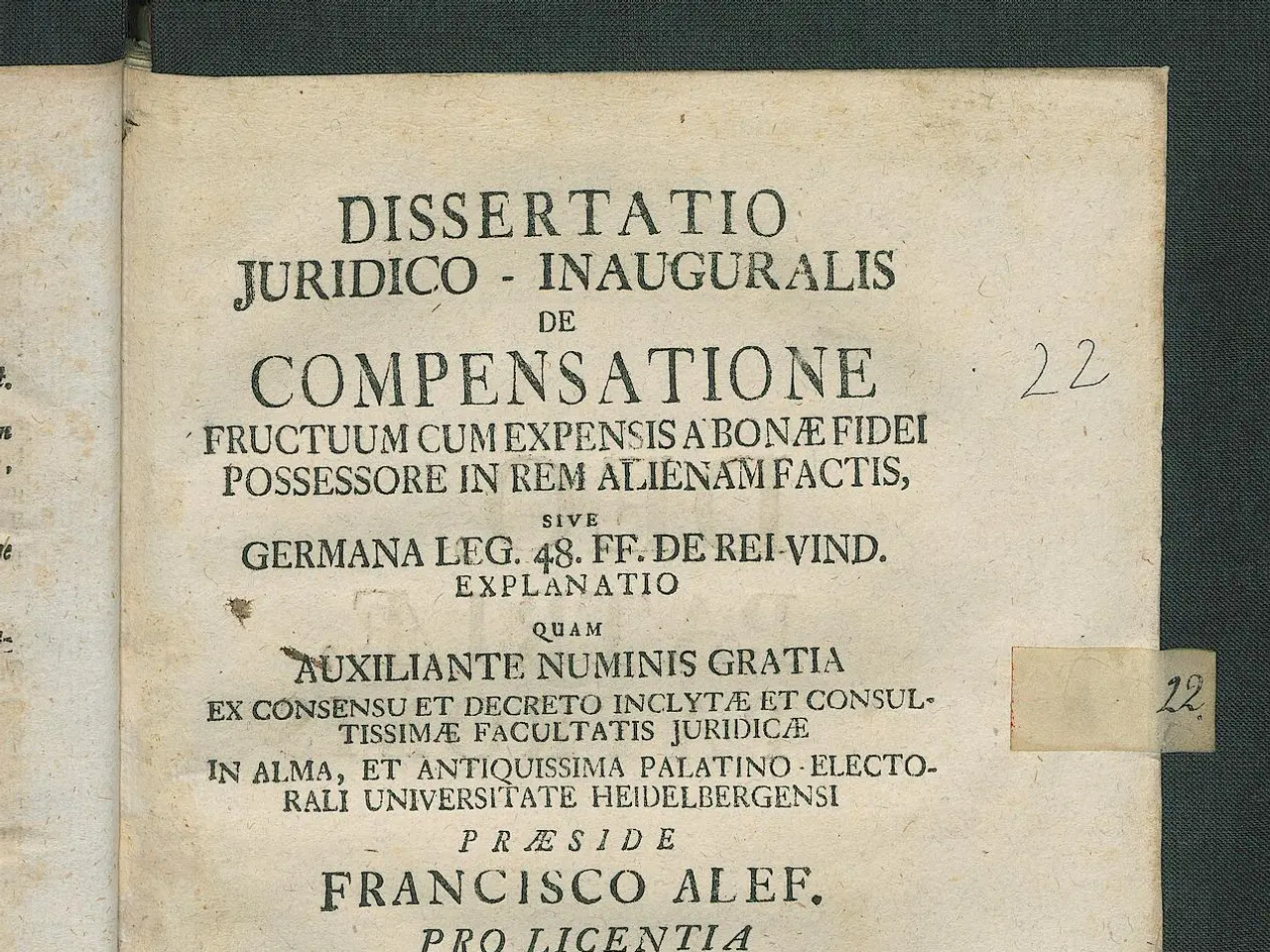
None of Thuringia's four state universities have ever withheld a doctoral degree before awarding it due to plagiarism. Even after degrees are granted, revocations are uncommon. The University of Jena stands as the sole exception, having stripped two doctorates in the last decade and a half—both cases triggered by outside reports.
Plagiarism detection itself is not mandatory in Thuringia. Supervisors and examiners may choose whether to use software, leaving oversight inconsistent. Universities instead focus on prevention, requiring years of supervision and oral defences to spot issues early. The broader issue of plagiarism among public figures has drawn attention since 2011. Politicians like Karl-Theodor zu Guttenberg (Bavaria) and Franziska Giffey (Berlin) lost their titles, while Thuringia's Premier Mario Voigt recently had his revoked by TU Chemnitz. Other cases, such as allegations against Alena Buyx in North Rhine-Westphalia, remain unresolved. Bavaria and Saxony appear to have the highest number of revocations, though no official nationwide count exists. New challenges have emerged with AI-generated content. Existing software can flag suspicious text but cannot confirm misuse with certainty. This uncertainty complicates efforts to maintain academic integrity.
Thuringia's universities continue to rely on supervision and oral exams to prevent plagiarism, rather than enforcement after degrees are awarded. With only two revocations in 15 years, the region's approach contrasts with high-profile cases elsewhere. The rise of AI in academic work adds another layer of complexity, as detection tools struggle to provide conclusive evidence.