Grocery shopping on a budget and minimizing waste? Meet Flashfood, the app that's taking the world by storm.
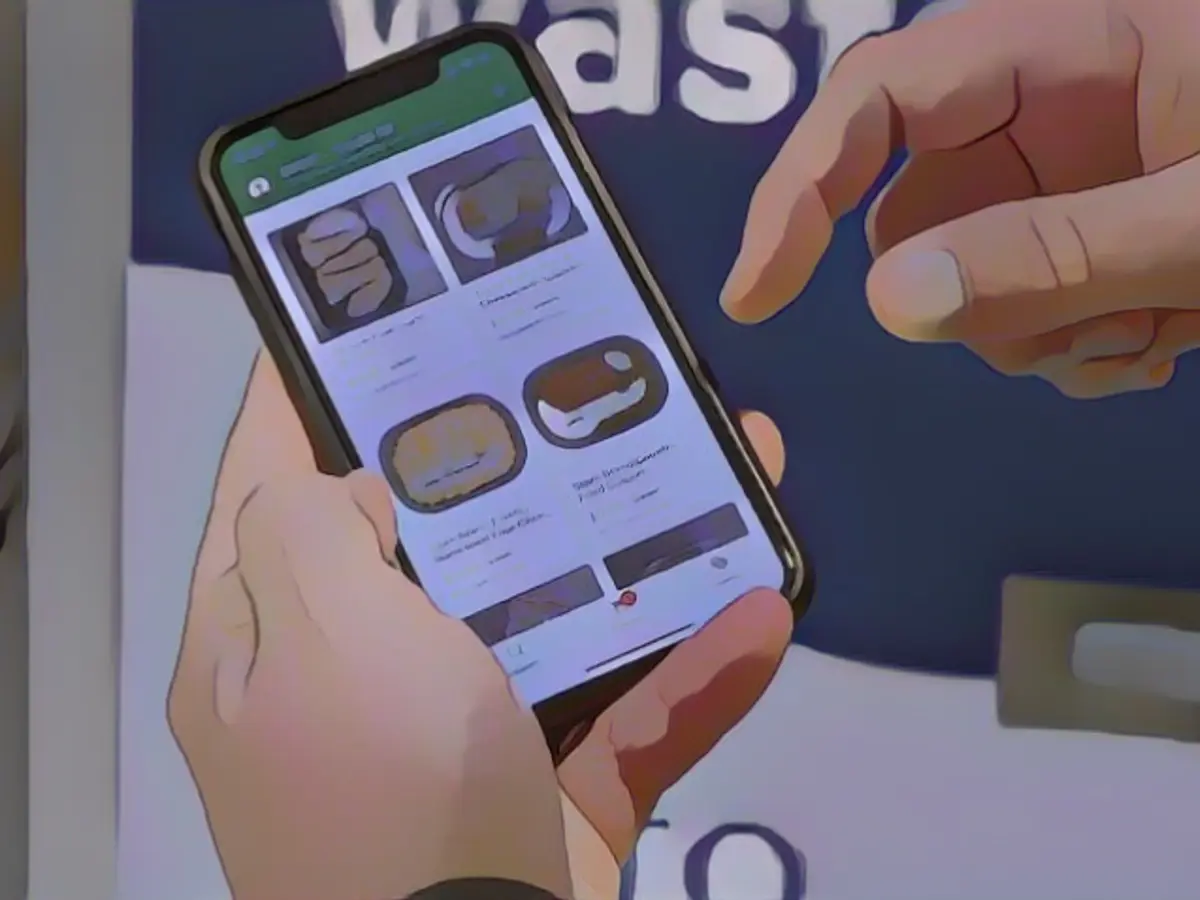
Here's the gist: Flashfood connects you to nearby grocery stores that collaborate with the startup. Once you tap into the app, you can see which items are nearing their sell-by dates or are going to expire soon, and they're all available at a substantial discount. As of now, Flashfood's Pop-up Food is available in over 1,200 supermarkets, and the startup believes this number will double in the coming year.
Flashfood is just one of the many startups tackling the problem of food waste, including Imperfect Foods, Misfits Market, and Too Good to Go. These companies aim to boost sales and solve the vast issue of food waste globally. According to a recent UN report, up to 17% of all produced food, approximately 931 million tonnes, could have been wasted in 2019. Food waste is a significant contributor to climate change.
With food prices skyrocketing, it's the perfect time for businesses to offer affordable alternatives. Melanie Bartelme, a global food analyst at Mintel, noted that the concept might appeal to consumers searching for fresh and nutritious food at reduced prices. However, this approach can bring its challenges: consumers may need to take additional steps to buy groceries via the app.
Flashfood isn't new to offering discounts on soon-to-expire items. Many supermarkets have long been running “sell-off” events for products with imminent expiration dates. Flashfood grabs hold of this concept and provides a more convenient way for customers to save money on their shopping, and for retailers, it's an opportunity to boost sales.
What's on the Flashfood menu? Typically, discounted items cost about half of their original price, and meat features prominently on the list, especially in light of rising prices. Obst- und Gemüsekisten, or fruit and vegetable boxes, are also highly sought after, often running around $5 for 5-10 pounds of produce. Some users even view the app as a fun game to find various discounted items.
Josh Domingues, Flashfood's founder and CEO, believes one of the app's advantages lies in attracting new customers to physical stores. Once they get there, shoppers can also purchase full-priced items, providing a boost to the store's overall revenue.
Bartelme cautions, however, that gamifying the shopping experience might not work for everyone. She believes additional steps to use the app could be challenging for some consumers.
As of now, Flashfood only accepts payments through the app and customers must collect their purchases from the store's Pop-up Food section. Domingues acknowledges that Flashfood is considering expanding payment options and potentially introducing a delivery service to offer more convenience to its customers.
While offering discounts on soon-to-expire food isn't exactly a new concept, Bartelme suggests individual retailers should consider a more strategic approach to self-discounting to maximize their impact.
Cooperation between retailers and Flashfood seems to be working well for both parties. Nick Bertram, the CEO of The Giant Company, which has around 185 stores in partnership with Flashfood, says, "Fighting food waste is too big a challenge for us to handle alone." Bertram added that collaborating with Flashfood provides benefits for both the retailer and their customers.
Addressing food waste at home
Millions of Americans live in food-insecure households, despite food waste being prevalent. You might wonder how pre-packaged options from Flashfood can differ from food given to charities or community kitchens.
Giant and Flashfood stress that Pop-up Food sales do not impact their charitable donations. Ashley Flower, a spokesperson for Giant, emphasized that the Pop-up food offerings are not affected by their contributions to food banks.
Flashfood closely monitors retailers' donations to understand any changes after partnering with them for app sales. According to Domingues, there has been no decrease in retailers' charity contributions after working with Flashfood.
Domingues also noted that reducing food waste is a complex issue and one that's long been a challenge for the food industry. In addition to aid programs, Flashfood focuses on reducing waste through its business model, encouraging individuals to consume only what they actually buy. After all, the environment relies on our responsible choices.
Dominguez stresses that by being more mindful of what we consume, we can make a significant impact. "We simply need to start consuming the food we actually buy, because the environment depends on it."
Keep Reading
Flashfood and other innovators like Imperfect Foods and Too Good to Go are integral parts of the solution to the global food waste problem. By offering cheaper groceries, they can stimulate sales for retailers while lowering food costs for consumers. This approach can also contribute to a more sustainable food system by promoting mindful consumption and prioritizing imperfect or surplus products. ("Flashfood plays a vital role in addressing the global food waste issue" and "By following this strategy, retailers can boost sales and lower food prices for shoppers")
Sources:
Enrichment Data:
Starting from Flashfood, Imperfect Foods, and Too Good to Go, these innovative businesses take different approaches to cutting back food waste and making groceries more affordable for consumers while enhancing revenue for retailers:
Flashfood
Flashfood's key strategy is identifying surplus and near-expiration food items in supermarkets and offering them at discounted prices through the Flashfood platform. Here's how it works: - Identifying Surplus Food: Flashfood's technology detects surplus goods in grocery stores prior to their expiration or near best-by dates. - Discounted Sales: These items are then listed on the Flashfood app at reduced prices, encouraging customers to purchase them before they go to waste.
Imperfect Foods
Imperfect Foods focuses on selling "ugly" or imperfect fruits and vegetables that grocers typically discard due to cosmetic imperfections. Their approach considerably reduces food waste and provides high-quality produce to consumers at competitive prices.
- ** Imperfect Produce**: Imperfect Foods sources fruits and vegetables that fall short of traditional cosmetic standards but remain nutritious and delicious.
- ** Affordable Pricing**: These items are offered at competitive pricing, making it possible for consumers to purchase healthy and abundant produce while cutting down on food waste.
Too Good To Go
Too Good To Go has a unique strategy of targeting consumer choices in households to reduce food waste. It allows customers to purchase surplus food offering discounted prices from restaurants and retailers.
- Rescued Meals: Too Good To Go collaborates with food establishments, offering meals or products that would otherwise have ended up as waste at the end of the day.
- Affordable Meals: These meals or products are sold at a discount, making food options cost-effective and accessible to consumers while minimizing waste.
By engaging with different approaches for food waste reduction, these startups stimulate mindful consumption, reduce environmental strain, and make high-quality, affordable food accessible to a wider audience.