Repealing DACA Could Cost Businesses and Individuals
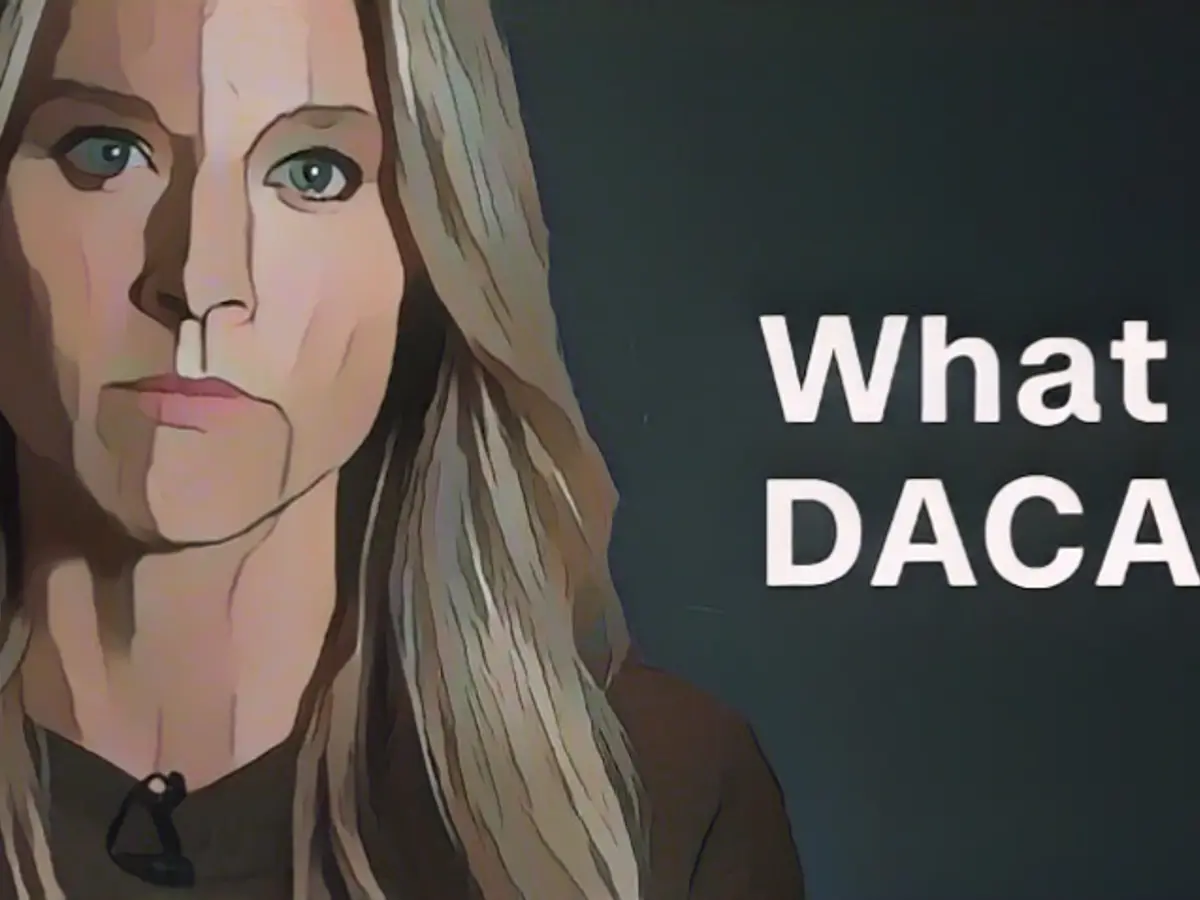
Many individuals may lose their jobs if President Trump decides to end the Deferred Action for Childhood Arrivals (DACA) program, according to several employees who spoke with CNNMoney.
Since President Obama introduced DACA in 2012, around 800,000 people in the U.S. have been able to live, work, and study legally, despite not having valid papers. Many of these individuals have become integral parts of the U.S. economy.
A study published by the Center for American Progress and FWD.us revealed that monthly, around 30,000 people would likely be let go if DACA were canceled because their work permits would expire and not be renewed.
Here are a few individuals who may be affected:
Erica Rosales, 34
Erica Rosales is a liaison for the Wisconsin Educational Research Center at the University of Wisconsin-Madison, connecting state governments with resources for bilingual education. Rosales, specializing in early childhood education, is currently pursuing a master's degree in cultural foundations of education at the University of Wisconsin-Milwaukee.
Rosales said she expects to be fired if DACA is canceled, and it's unlikely she'll find another job in her field.
"Either I'd have to consider taking a minimum-wage job where they don't ask for papers – like housecleaning, housework, low-skilled work – or I'd have to leave the country," she said.
When she was 12, Rosales' parents brought her from Mexico to Wisconsin. Her DACA permit expires in February 2019.
Joel Contartese, 26
Joel Contartese is a digital media strategist. In 2012, he discovered his talent for creating Instagram videos, and soon companies asked him to help promote their products. When DACA was introduced, Contartese said he was one of the first to apply for a work permit.
After building a relationship with the CEO of a nutritional supplement company, Shredz, Contartese moved from Florida to New York to manage their social media. Now living in Los Angeles, he earns six-figure salaries at a technology startup called Scale.
"I'm concerned with strategy. If I were to disappear overnight, a huge hole would have to be filled," he said.
His current DACA permit expires in November 2018. Contartese said he thinks he'll lose his job if his contract isn't renewed. His parents brought him from Argentina to Florida when he was nine years old.
CONNECTION: Trump's DACA Decision To Affect 'Dreamers'
Luis Sanchez, 21
Luis Sanchez works in medical billing at the UCLA Medical Group. He's saving up to attend college next year and plans to eventually become a lawyer.
For a while, Sanchez worked three jobs just to save money. Sanchez said DACA helped him find his current position and he has no intention of leaving.
"I don't have to work until 3 a.m. and do the dishes," he said. "I have a schedule. I have responsibilities. It's the first time in my life that I've been insured, which means a lot to me."
When Sanchez was four years old, his parents moved him to California. He found out he was an undocumented immigrant in his first year of high school. His DACA permit expires in January.
Economic Consequences of DACA Repeal
If DACA is repealed, it could have significant economic impacts on both businesses and individuals. A large portion of the labor force in industries like agriculture, construction, and hospitality is made up of undocumented immigrants like those protected by DACA. A mass deportation of these workers could lead to severe labor shortages and increased costs for businesses. Furthermore, DACA recipients contribute significantly to the economy by paying taxes, supporting local economies through their spending, and contributing to GDP. The loss of these individuals could lead to reduced economic activity and lower tax revenues, potentially straining public finances.
Moreover, the repeal of DACA could have far-reaching consequences beyond the immediate economic impacts. Many DACA recipients are parents to U.S. citizens and play a vital role in their families' financial stability. The loss of their income could lead to financial instability and reduced consumer spending, ultimately affecting businesses. Additionally, DACA recipients often rely on public services, such as healthcare and education. The cancellation of DACA could make it difficult for them to access these essential services, further exacerbating their financial and social challenges.
Important Note: DACA recipients often work in industries with high turnover rates, where replacing them could be relatively easy. However, the emotional impact on these individuals and their families cannot be understated. The potential repeal of DACA may also create a climate of fear and uncertainty, which could negatively impact the overall productivity and morale of these employees, as well as their coworkers and supervisors. The economic impacts extend beyond the immediate loss of these workers and may ripple throughout the U.S. economy for years to come.
In conclusion, the potential repeal of DACA could result in significant economic consequences for both businesses and individuals. The loss of protected status, reduced tax revenues, and increased public costs could strain public finances and negatively impact affected communities. Additionally, the impacts on families, communities, and society as a whole cannot be ignored.