Texas snubs offshore wind auctions despite vast energy potential and public support
A recent federal auction for offshore wind leases in the Gulf of Mexico drew no interest in Texas sites. Despite the state's vast potential for wind energy, political resistance and a focus on fossil fuels have stalled progress. The outcome reflects a long-standing divide between state priorities and federal renewable energy goals.
The Bureau of Ocean Energy Management offered three lease areas in the Gulf—two off Texas and one off Louisiana. While the Louisiana site sold for $5.6 million, neither Texas location received a single bid. This lack of interest aligns with Texas officials' repeated opposition to offshore wind development.
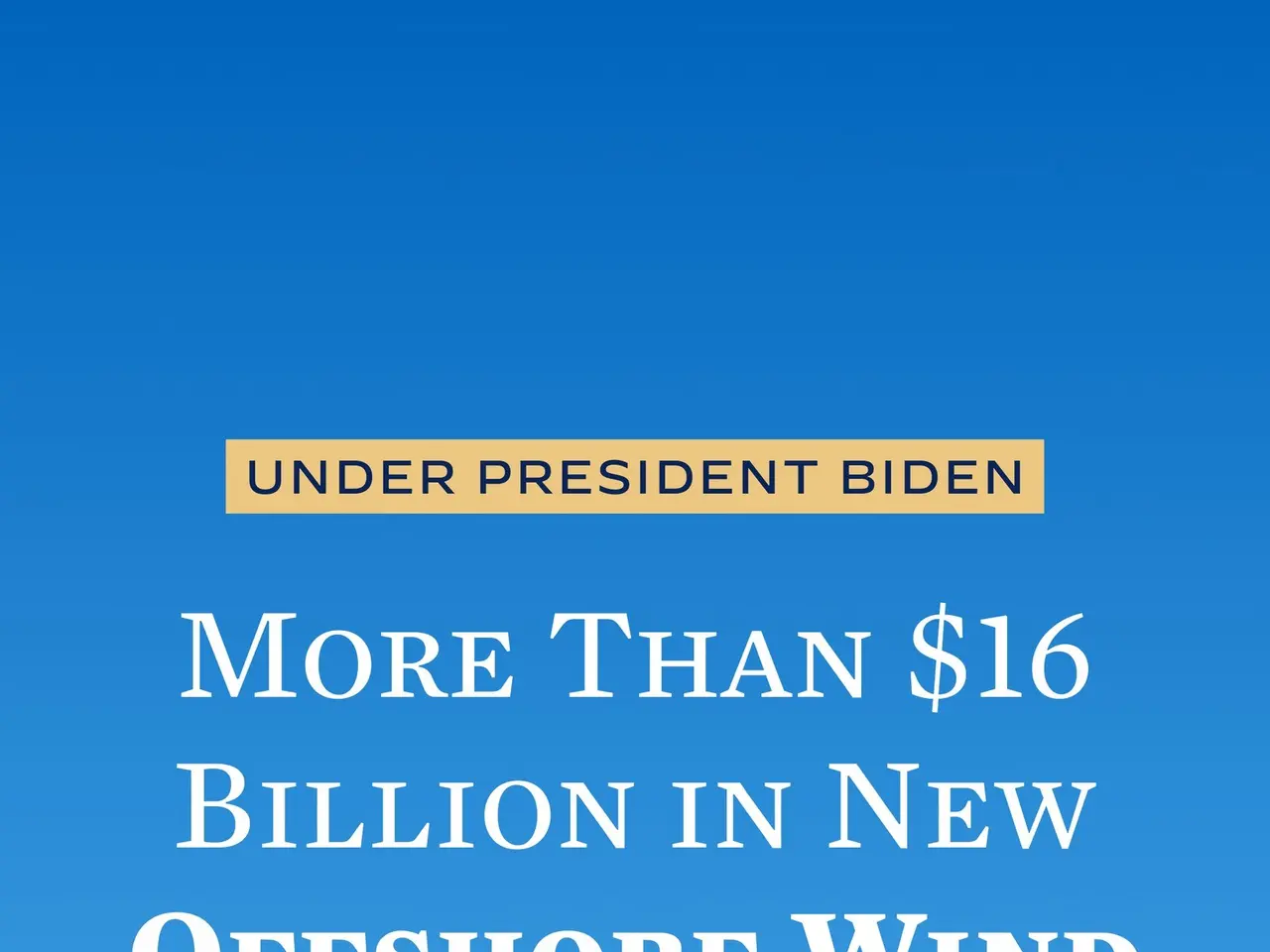
Texas holds roughly half of the Gulf's technical capacity for offshore wind, enough to exceed the state's 2025 energy demands by over 60 percent. Yet, despite this potential, state leaders have actively blocked projects. Dawn Buckingham, Texas's General Land Office Commissioner, has stated her office will not approve construction permits for offshore wind farms. The state's stance contrasts sharply with federal efforts under the Biden administration, which aimed for 30 gigawatts of offshore wind power by 2030—a target that could power 10 million homes and cut 78 million metric tons of CO2 emissions. However, Texas's Republican leadership has consistently favoured oil and gas, even as neighbouring Louisiana, also Republican-led, has shown limited engagement with wind energy. Since January 2025, federal policy shifts under President Trump have further reinforced Texas's fossil fuel focus. Around $928 million, originally earmarked for Atlantic offshore wind projects in New York and North Carolina, was redirected to LNG terminals in Brownsville. This move strengthened the state's alignment with federal fossil fuel priorities. Public opinion in Texas tells a different story. A 2025 poll by Texas A&M University at Galveston found that 71 percent of residents support offshore wind development. Still, political and regulatory barriers remain. The National Renewable Energy Laboratory has also noted that offshore wind in the Gulf is unlikely to advance before 2030 due to persistent opposition from state leadership.
Texas continues to block offshore wind development despite its energy potential and public support. Federal auctions have yielded no progress, while state officials maintain a firm stance against wind projects. The focus remains on expanding oil and gas infrastructure, leaving the Gulf's wind resources untapped for the foreseeable future.