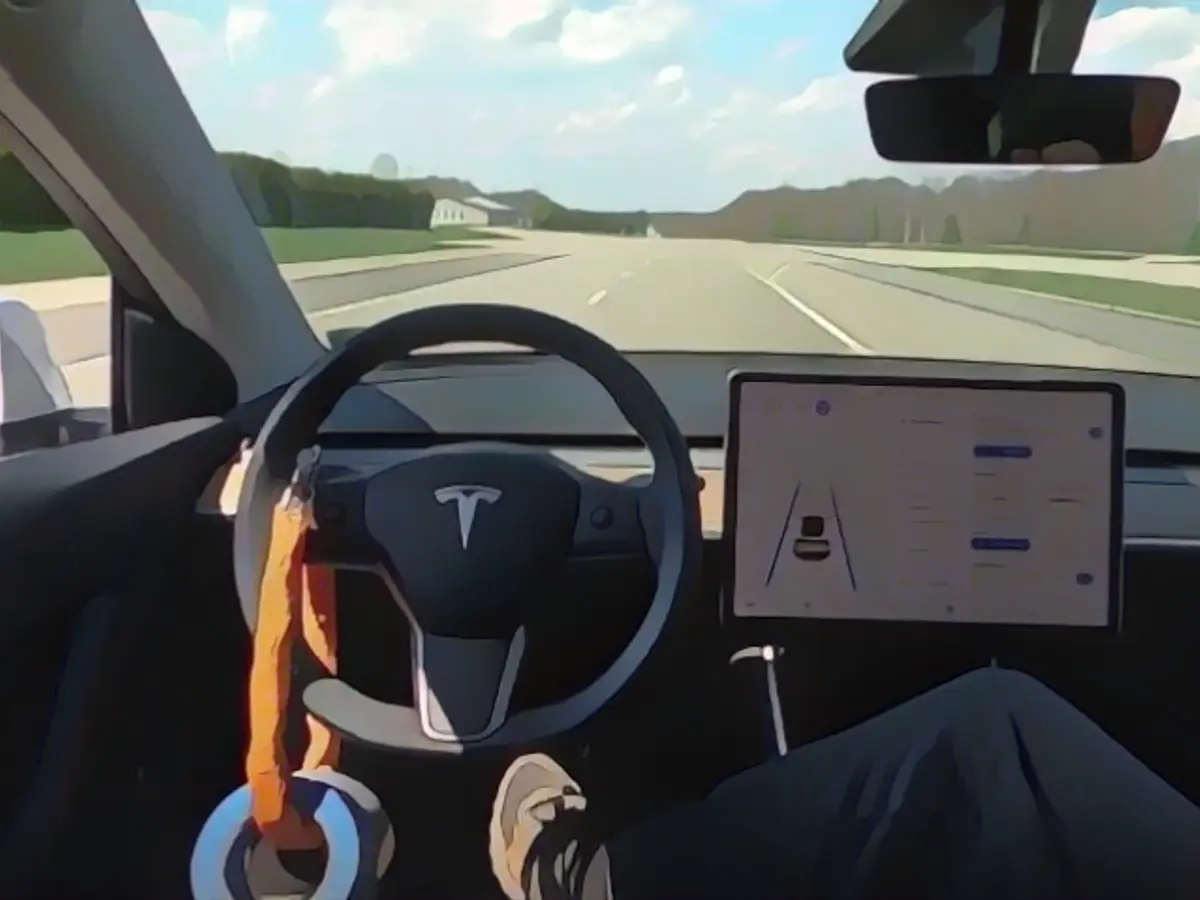
Tesla under Scrutiny After Repeated Collisions with Emergency Vehicles
Seven accidents resulted in 17 injuries and one fatality, as reported by the National Highway Traffic Safety Administration (NHTSA). All the affected Tesla vehicles were equipped with an Autopilot or traffic-aware cruise control feature as they approached the accident site.
The NHTSA's investigation is probing the role of Tesla's advanced driver-assistance systems (ADAS) in these collisions. The incidents occurred between January 22, 2018, and July 10, 2021, in nine different states, mainly at nights. Common features observed at the crash sites include emergency vehicle lighting, signs, and reflectors.
Repeated use of autopilot technology in Tesla vehicles has raised concerns about their safety and reliability. Earlier investigations by the National Transportation Safety Board (NTSB) found Autopilot as partially responsible for a fatal crash that took place in Florida in 2018.
Tesla's response to the NHTSA's initial request for a statement was delayed.
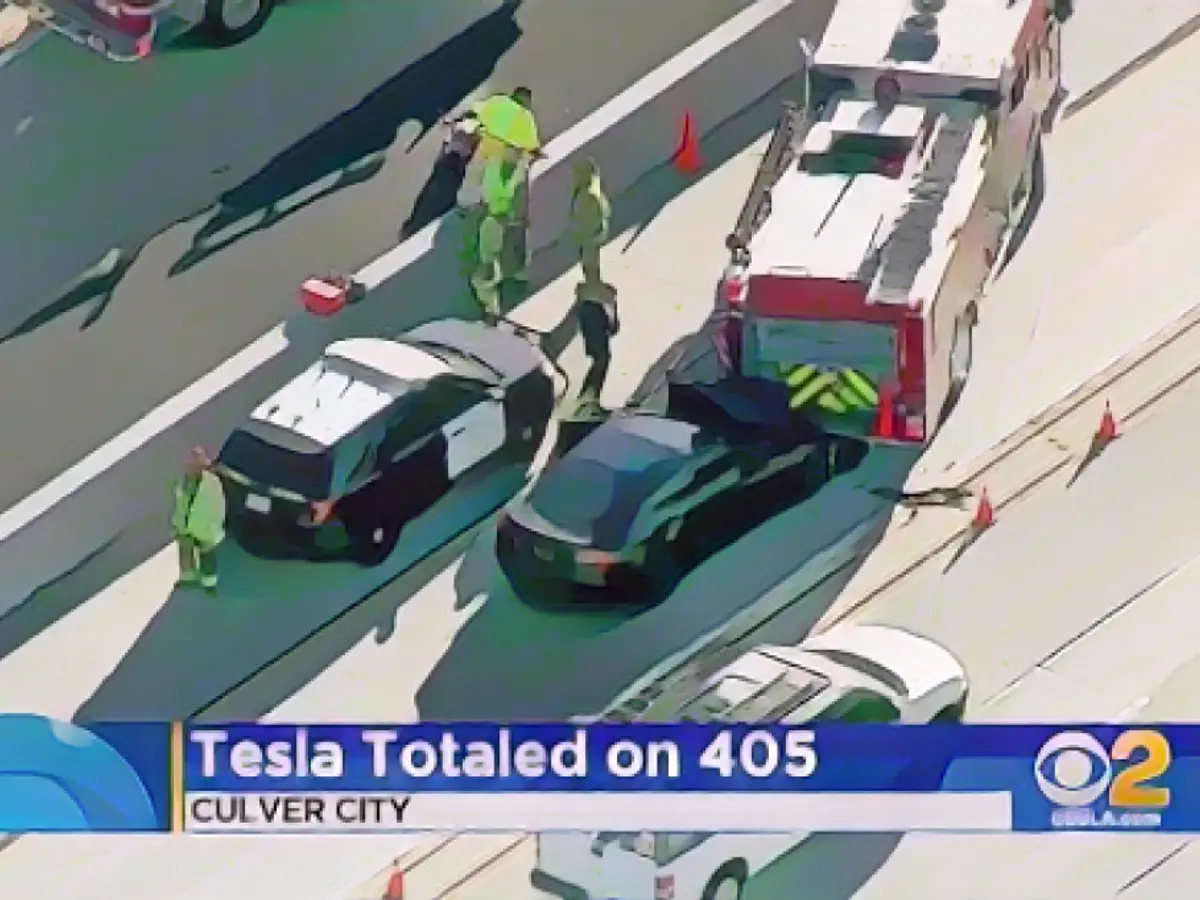
One of the most prominent incidents, an accident in January 2018, occurred on Interstate 405 in Culver City, California. Eleven similar crashes involving Tesla vehicles and emergency vehicles have been reported.
Critics argue that Tesla's autonomous technology puts pedestrians in danger, especially those who never consented to becoming "autopilot test subjects." The NHTSA's statement reminded the public that neither self-driving nor other advanced technologies in vehicles replace human control and responsibility as per all state laws.
The investigation focuses on Tesla Model Y, X, S, and 3 models from 2014 to 2021. Analyst and Tesla critic Gordon Johnson expressed concerns that the problem is not limited to Autopilot users but could also affect other drivers on the road.
Tesla claims that while its data shows autonomous vehicles have fewer crashes per mile than manually driven vehicles, it emphasizes that current autopilot functions require active drivers' involvement, asserting that there is no way to make a vehicle fully autonomous.
Insights:
- Autopilot and adaptive cruise control are two main features investigated by the NHTSA in Tesla collisions with emergency vehicles.
- NHTSA's investigation aims to better comprehend the causes of specific Tesla crashes, focusing on technologies and methods used for driver monitoring during Autopilot use.
- Potential factors considered in the investigation include NHTSA complaint reporting compliance by Tesla and whether the involved Tesla vehicles operated outside their operational design domain.
Enrichment Data:
- The NHTSA is investigating concerns about the safety and reliability of Tesla's "Actually Smart Summon" feature, which uses onboard cameras to maneuver vehicles without driver input.
- Tesla crashes involving Autopilot technology have been linked to various factors, including driver distraction, failure to detect stationary emergency vehicles, and misuse of the system outside its operational design domain.
- NHTSA criticized Tesla for not reporting crashes involving its autonomous driving systems as required by law, sparking regulatory scrutiny and concerns over the company's compliance with reporting requirements.