Switzerland Braces for Heavy Snow and High Avalanche Risk
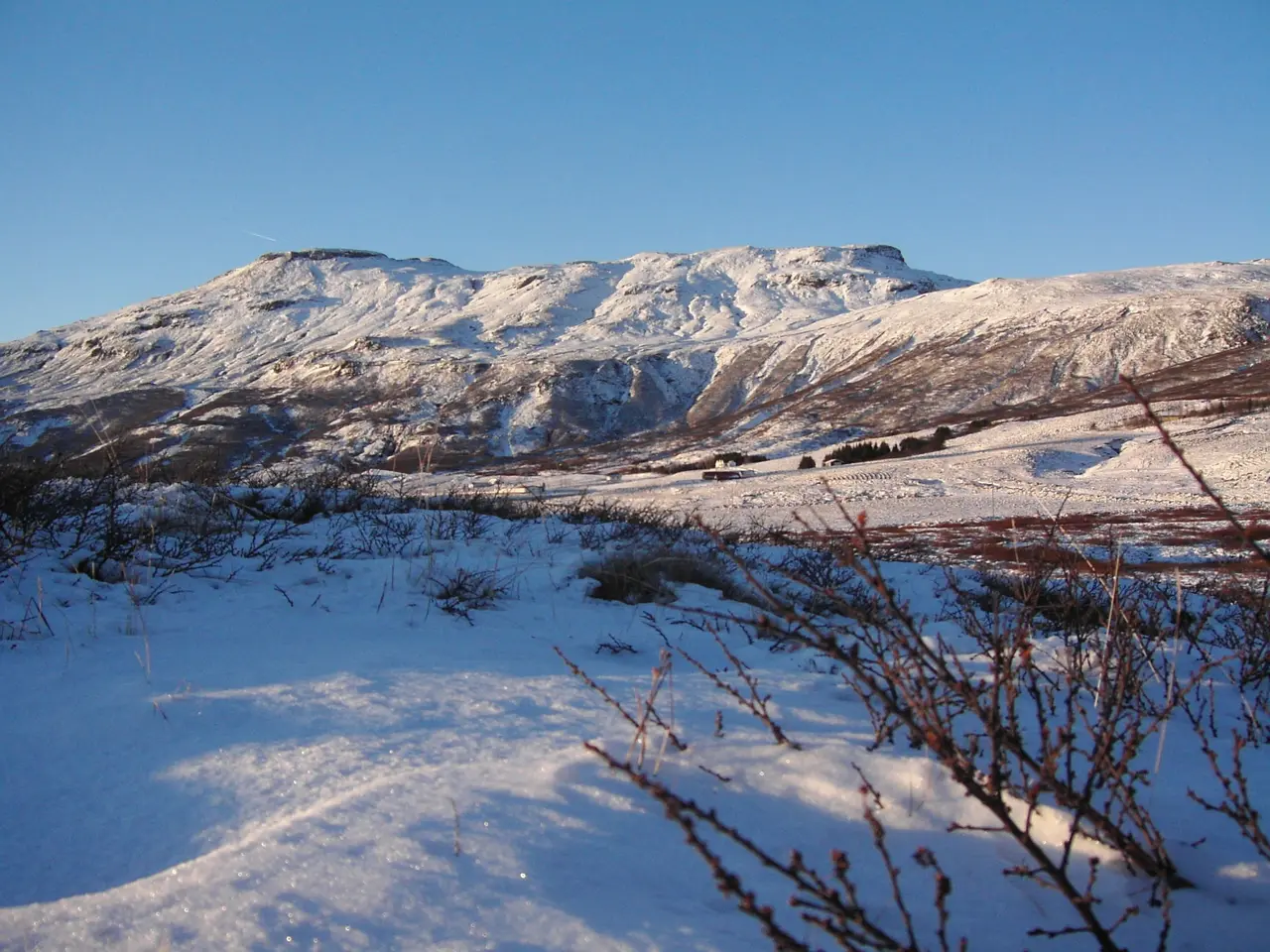
A late winter blast has swept across Switzerland, bringing heavy snowfall and freezing temperatures. Parts of the Alps received over half a metre of fresh snow in just two days, while lowland areas faced ground frost and light snow cover. Authorities have now issued high-level avalanche warnings for the entire Alpine region.
Since Wednesday evening, snow has fallen heavily across many Swiss regions. Säntis recorded the highest total with 79 centimetres of fresh snow. Nearby, Fionnay saw 61 centimetres, while Adelboden measured 60 centimetres. Arosa and Guttannen followed closely with 54 and 56 centimetres respectively. Even lower elevations were not spared—Meiringen, at just 589 metres above sea level, received 38 centimetres.
On Friday morning, parts of the lowlands woke to a thin layer of snow, including Zurich, where 2 centimetres settled. But the bigger concern now is the sharp drop in temperatures. Ground frost is expected across lowland areas on Saturday night, with readings forecast to plunge between -6 and -2°C. This sudden cold snap puts early fruit trees and blossoms in the lowlands and lower Alpine valleys at risk. The Swiss federal government has responded by issuing avalanche warnings for the entire Alpine region. The current danger level stands at 4, indicating a high risk of slides in many areas.
The combination of deep snow, freezing nights, and high avalanche risk is creating challenges for both mountain and lowland communities. Farmers and gardeners are monitoring delicate blossoms as temperatures remain dangerously low. Meanwhile, authorities continue to urge caution in Alpine areas due to the heightened avalanche threat.