General Motors (GM) Recently Filed a Lawsuit against Ford, Alleging Unfair Use of the Name "BlueCruise"
Last month, GM took legal action against Ford, asserting that the automaker's planned use of the name "BlueCruise" for its upcoming driver-assist technology infringes on GM's trademark rights.
According to GM, its Super Cruise feature as well as its self-driving subsidiary, Cruise, have a right to prevent Ford from utilizing the "BlueCruise" name for its own driver-assist offering. Ford, however, defended its decision to employ the name, stating that it was inspired by its iconic "Blue Oval" logo.
In a statement, GM expressed its commitment to vigorously defending its brand and protecting the intellectual property it has accumulated over the years.
Ford, which plans to make BlueCruise features available for some of its F-150 Pickup Trucks and Ford Mustang Mach-E Electric SUVs this year through software updates, responded by filing a motion to dismiss the lawsuit. Additionally, Ford submitted documents to the U.S. Patent and Trademark Office, requesting that GM retract its claims on both the "Super Cruise" and Cruise subsidiary marks.
In its submission to the Patent and Trademark Office, Ford claimed that GM's aim was merely to monopolize the term "cruise" and remove it from common automotive terminology.
"We believe that GM's trademark claims are unfounded and without merit," Ford stated in a release. "For decades, drivers have understood what adaptive cruise control is, and every automaker offers this feature. 'Cruise' is a commonly used abbreviation for this feature, used by numerous companies."
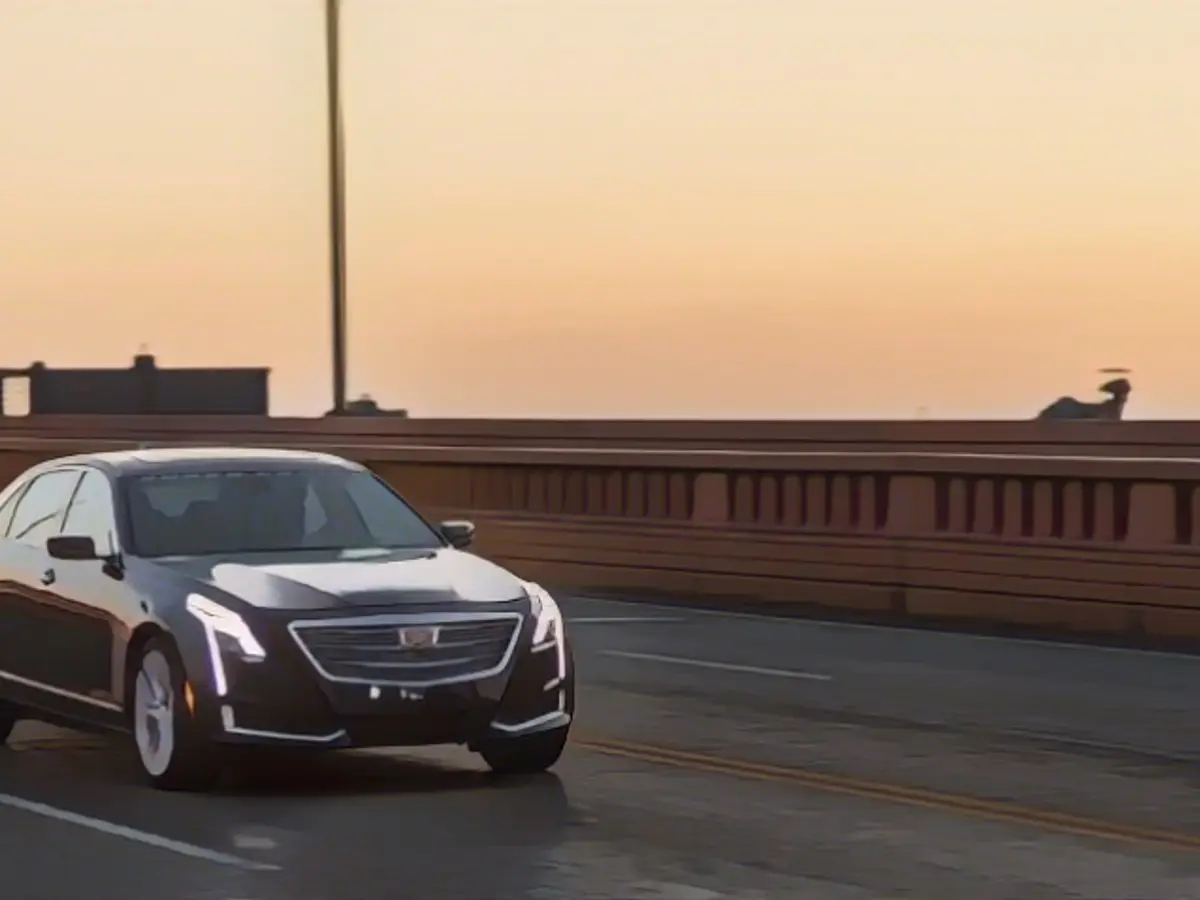
Super Cruise, which debuted in 2017 for select Cadillac models and will be available in 22 additional GM models this and next year, allows for hands-free driving on divided highways. Like Blue Cruise, both systems rely on cameras to monitor the driver and ensure they remain focused.
GM acknowledged in its lawsuit that it had previously discussed the matter with Ford but came to no agreement. The lawsuit notes that many other automakers have named their driver-assist features without using the term "cruise."
"GM and Cruise will not shy away from this challenge," the company stated in its original filing. "After Ford's announcement, we quickly attempted to persuade Ford to retract its unpublished enhancements, but without success. There were prolonged discussions, but Ford insisted on using the 'BlueCruise' name despite existing rights."
In its Friday filing, Ford argued that the development of the BlueCruise name had taken two years and a substantial amount of money had been invested in preparation for a fall launch had BlueCruise not been approved. Ford claimed it would have taken six to nine months to find a new name had BlueCruise not been allowed.
Additional Insights:
While there may not be a documented trademark dispute between GM and Ford over their respective driver-assist technologies, both systems have faced regulatory and safety concerns. For instance, the National Highway Traffic Safety Administration (NHTSA) has launched an investigation into possible issues with Ford's BlueCruise regarding the incorrect detection of stationary objects at longer distances, particularly in low-light conditions and at high speeds. Furthermore, research has highlighted potential risks associated with driver-assist systems, such as the vigilance problem, where drivers may become too reliant on the systems and neglect to pay attention to the road.