Strauss-Waltzer's Performance Exceeds Expectations beyond Sexy Elements
Johann Strauss II, the renowned composer of operettas, left an indelible mark on Vienna's cultural heritage during the late 19th century. His works, which include the famous operettas Die Fledermaus (1874), Das Spitzentuch der Königin (1880), and The Gypsy Baron (1885), all premiered at the historic Theater an der Wien.
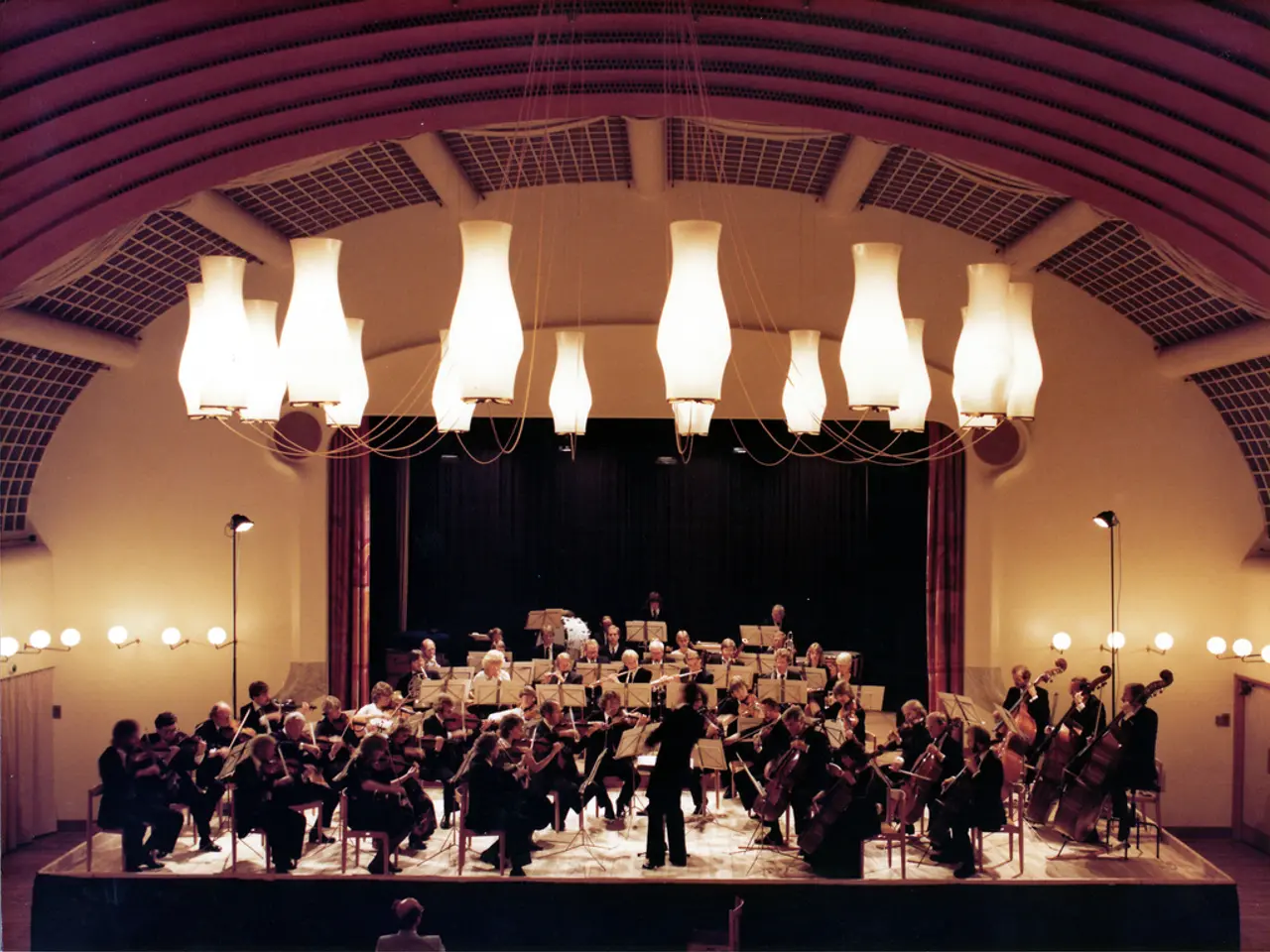
Another significant operetta by Strauss, Wiener Blut (Viennese Blood), was originally a waltz from 1873. In recent times, this operetta has been performed at the Schönbrunn Palace Theatre, showcasing Vienna’s rich classical heritage.
The Theater an der Wien was pivotal to many of Strauss's operetta premieres, making it a crucial location in his career. His compositions also have connections to events at the Rathaus (City Hall), where his Rathausball-Tänze waltz premiered in 1890 during the first “Ball der Stadt Wien,” demonstrating his dedication to Vienna’s civic festivities.
The Vienna Volksoper, opened in 1898, later became a significant venue for performing Strauss’s operettas, particularly in the 20th and 21st centuries.
Here's a brief overview of some of Strauss's most notable operettas and their premiere locations:
| Operetta | Premiere Location | Year | |---------------------------|------------------------------|-------| | Die Fledermaus | Theater an der Wien | 1874 | | Das Spitzentuch der Königin| Theater an der Wien | 1880 | | The Gypsy Baron | Theater an der Wien | 1885 | | Wiener Blut (arranged operetta) | Schönbrunn Palace Theatre (modern production) | 1873 (waltz), operetta later | | Rathausball-Tänze (waltz) | Rathaus (City Hall) | 1890 |
Strauss's operettas are deeply rooted in Vienna's cultural landscape, with many performances taking place at these historic theaters. The Johann Strauss 2025 Vienna program covers over 65 productions at nearly 70 locations across Vienna, ensuring his legacy lives on.
Johann Strauss Jr. composed over 500 works, including waltzes, polkas, marches, quadrilles, galops, and operettas. His music, such as "Die Fledermaus" and "The Blue Danube Waltz", was not just frivolous but also socially critical and anarchic.
In the upcoming Strauss Jubilee in Vienna, the artistic director, Heigerth, aims to break the traditional image of the composer and show his modern and contradictory nature. Vienna-based artist Deborah Sengl is creating an immersive puzzle game called "In the Shadow of Doubt" for the jubilee, which aims to reveal the fractures and hidden facets behind the glamour of Strauss.
The House of Strauss museum offers guided tours by Eduard Strauss, a relative of the family, providing visitors with a unique insight into the Strauss family's history. The Vienna State Opera, opened in 1869, is another significant location in the life of Johann Strauss.
Despite his fame, Strauss was a shrewd businessman, making significant money from royalties and the resale of waltzes from his operettas. Interestingly, Johann Strauss Jr.'s grandmother was Jewish, a fact that has been concealed in some historical accounts.
[1] Theater an der Wien [2] Schönbrunn Palace Theatre [3] Vienna Volksoper
Read also:
- Today's most impactful photographic moments
- Support for Eric Adams in The Post's Letters to the Editor on August 13, 2025
- Roosting Shark and Rambunctious Red Squirrels: Unconventional House Rental in Yorkshire Involving Aquatic Marvel, Squirrely Mayhem, and Mystical Planning Regulations
- Legal Dispute Dismissed with Humor: Supreme Court Laughs off Another Civil Matter Mislabeled as Criminal Prosecution