Storm Fern Freezes the Southeast as Residents Rush to Protect Homes
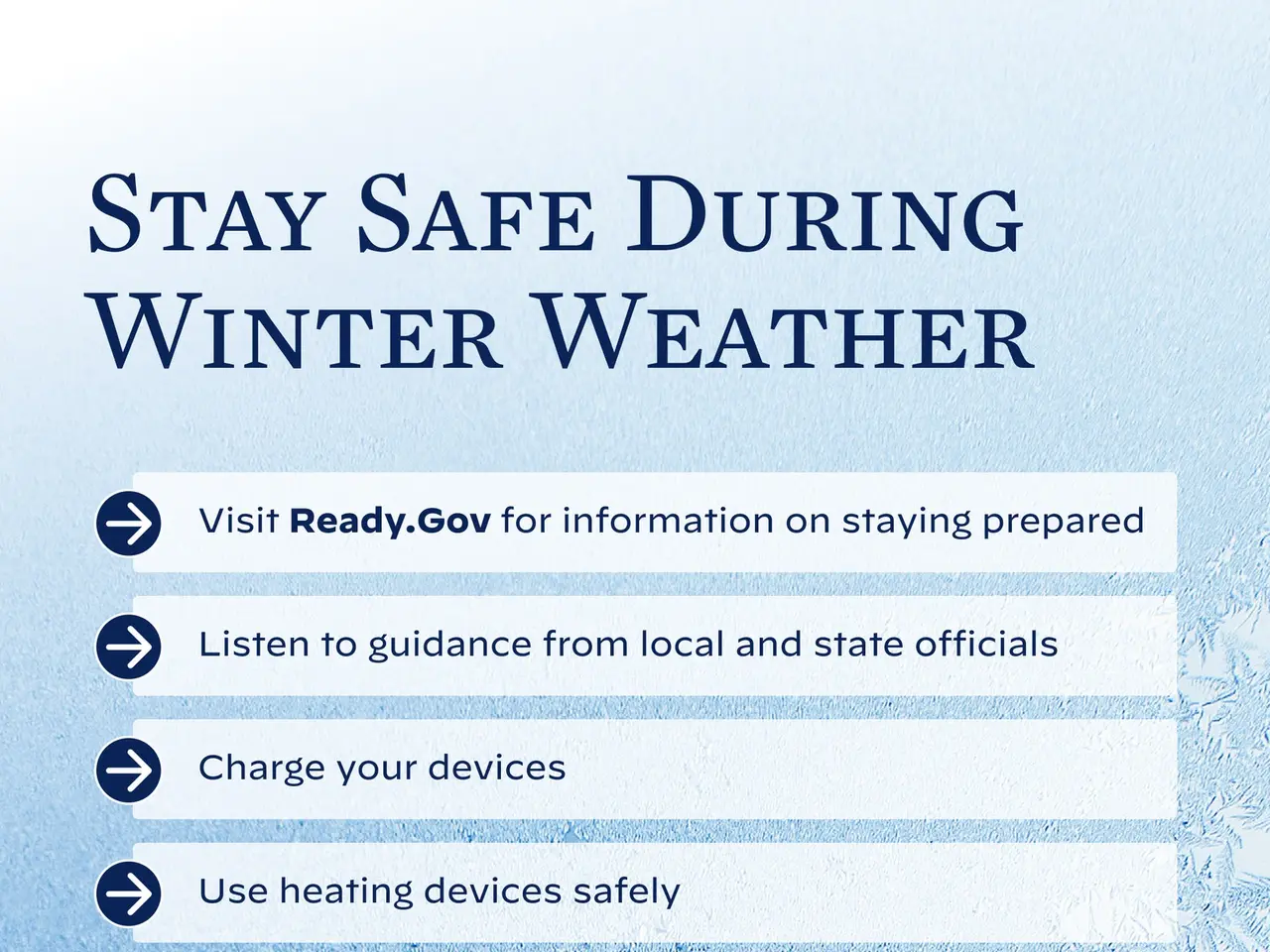
A strong winter storm has swept across the southeastern US, bringing freezing temperatures to Georgia, Tennessee, North Carolina, South Carolina, Virginia, and Louisiana. With Storm Fern hitting hard in late January 2026, residents are being urged to take steps to protect their homes and pets from the cold.
One of the simplest ways to prevent frozen pipes is to keep heating systems running at a minimum of 65 degrees. This steady warmth helps stop water inside pipes from freezing and potentially bursting. Homeowners should also locate their emergency water shutoff valve now—knowing where it is could save time if a pipe breaks.
Exterior hoses need attention too. Disconnecting and covering them prevents ice from forming inside the pipes. For extra protection, a six-foot piece of pipe insulation costs just four or five dollars and can be fitted around exposed pipes to keep them warm.
Kitchens and bathrooms with pipes along exterior walls are especially vulnerable. Opening cabinet doors lets warm air circulate around the plumbing. Meanwhile, pet owners are advised to bring animals indoors or provide sheltered areas to block wind and cold.
Storm Fern has been the only major winter event recorded in the region over the past three months. Its arrival has prompted these precautions as temperatures remain dangerously low.
The freezing conditions from Storm Fern have put homes and animals at risk. Taking small, low-cost measures now can prevent costly damage later. Residents are encouraged to act quickly before the cold causes further problems.
Read also:
- United States tariffs pose a threat to India, necessitating the recruitment of adept negotiators or strategists, similar to those who had influenced Trump's decisions.
- Weekly happenings in the German Federal Parliament (Bundestag)
- Massive 8.8 earthquake hits off the coast of Russia's Kamchatka Peninsula, prompting Japan to issue a tsunami alert.
- Court petitions to reverse established decision on same-sex marriage legalization