Stadler and Siemens win $2.9B deal for Copenhagen’s driverless trains
Stadler Rail and Siemens Mobility have secured a historic contract worth 23 billion Danish kroner (CHF 2.9 billion) for Copenhagen’s S-train network. The deal includes 226 fully automated driverless trains and a 30-year maintenance agreement. This marks the largest contract ever awarded for the city’s S-tog system.
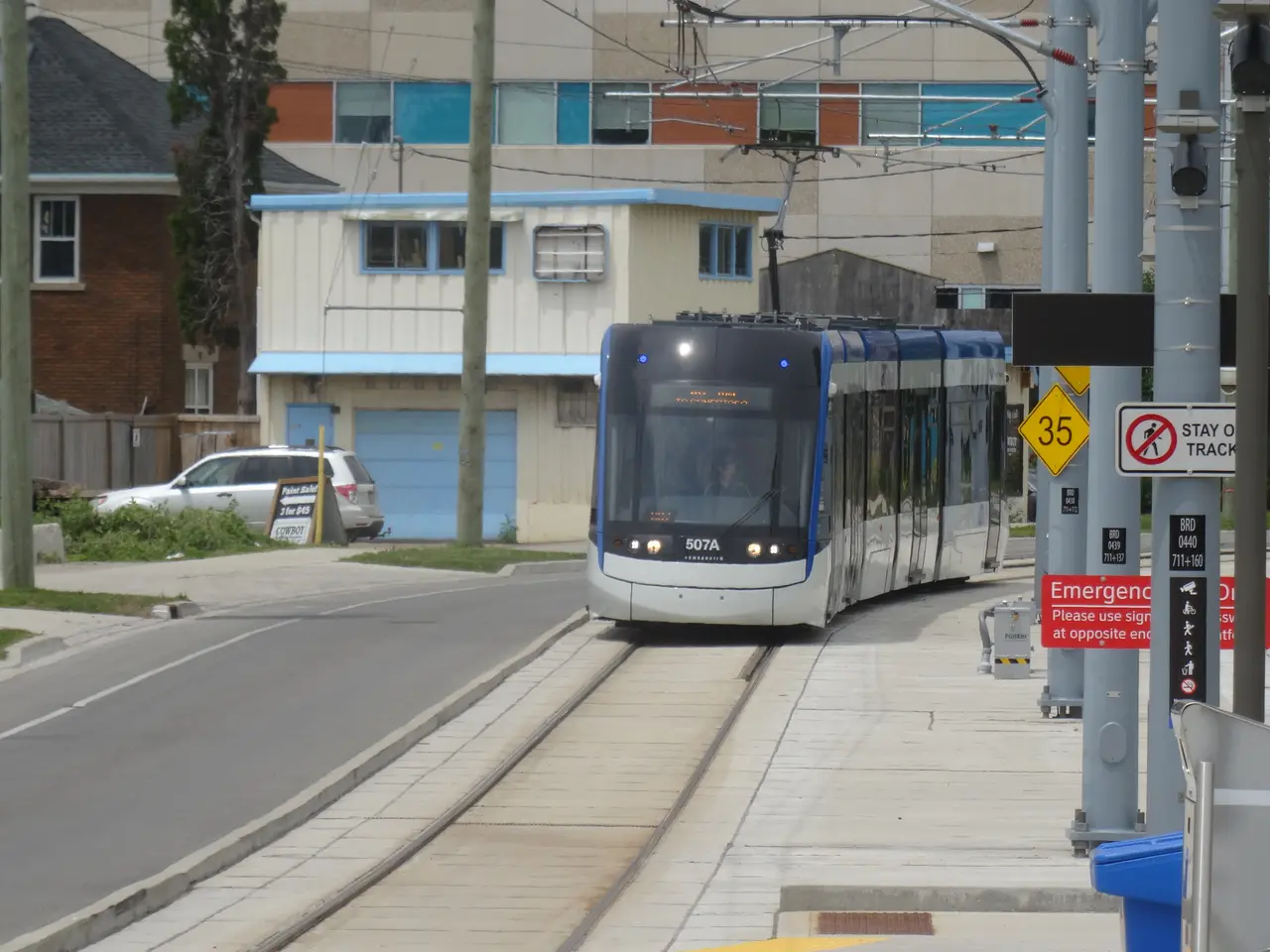
The two companies, usually rivals in their Swiss home market, will work together on the project. They were chosen by Danish State Railways (DSB) to deliver the trains, which will operate on line F starting in 2032. The new fleet will meet the highest automation standard (GoA4), meaning no driver will be required.
The contract also includes a 30-year maintenance responsibility, a factor analysts believe will stabilise Stadler’s share price after a weak previous week. Additionally, Stadler Rail has won a separate deal to refurbish and sell 93 used railcars to Hungarian State Railways. This collaboration follows an earlier agreement between DSB and the two firms for 93 refurbished GTW passenger trains from Switzerland. The latest contract solidifies their role in modernising Copenhagen’s rail infrastructure.
The first driverless trains are set to roll out in 2032, transforming the S-train network. Stadler’s share price has already shown signs of recovery, with analysts reassessing its value due to the long-term maintenance contract. The partnership between Stadler Rail and Siemens Mobility represents a rare joint effort in a market where they typically compete.