Spring wildlife breeding season demands extra caution from hikers and dog owners
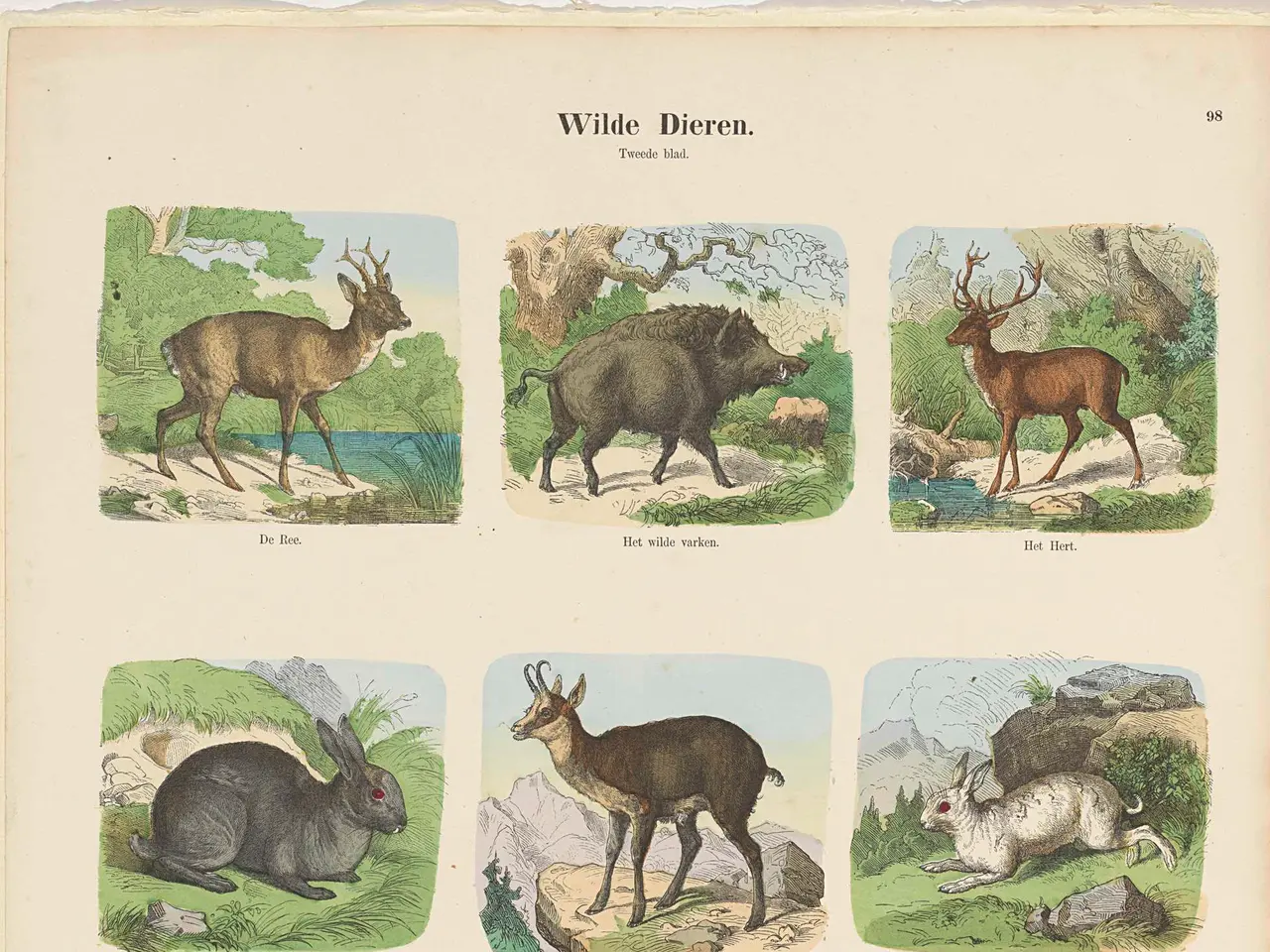
Spring marks the start of wildlife breeding season across the region. Between February and late spring, animals like fawns, leverets and wild boar piglets are born, needing quiet and undisturbed habitats in their first weeks. Authorities are now urging the public to take extra care to protect vulnerable young wildlife.
At least 15 species of young animals—including deer fawns, bat pups, birds of prey, hedgehogs and young sea eagles—are born during this period. Many rely on natural camouflage, often appearing abandoned even when their mothers are close by. Disturbances from humans or off-leash dogs can be life-threatening, causing stress, injuries or forcing young animals to leave safe hiding spots too soon.
The Bodenseekreis District Office has asked residents and visitors to stick to marked paths and keep dogs leashed, particularly near woodlands and meadows. If someone encounters a young animal, they should stay calm, keep their distance and slowly move away without touching or removing it.
The district office has thanked the community for their cooperation in safeguarding young wildlife. Following these guidelines helps ensure that offspring remain with their mothers and survive their critical early weeks. The measures apply until the end of the breeding season in autumn.