Spain’s disability rights group demands action on digital exclusion and media bias
Spain’s leading disability rights organisation has called for urgent action against online hate speech and algorithmic bias. The Spanish Committee of Representatives of Persons with Disabilities (CERMI) is pushing for stronger protections in audiovisual media. Their demands come as the nation marks two decades of progress in accessibility rights.
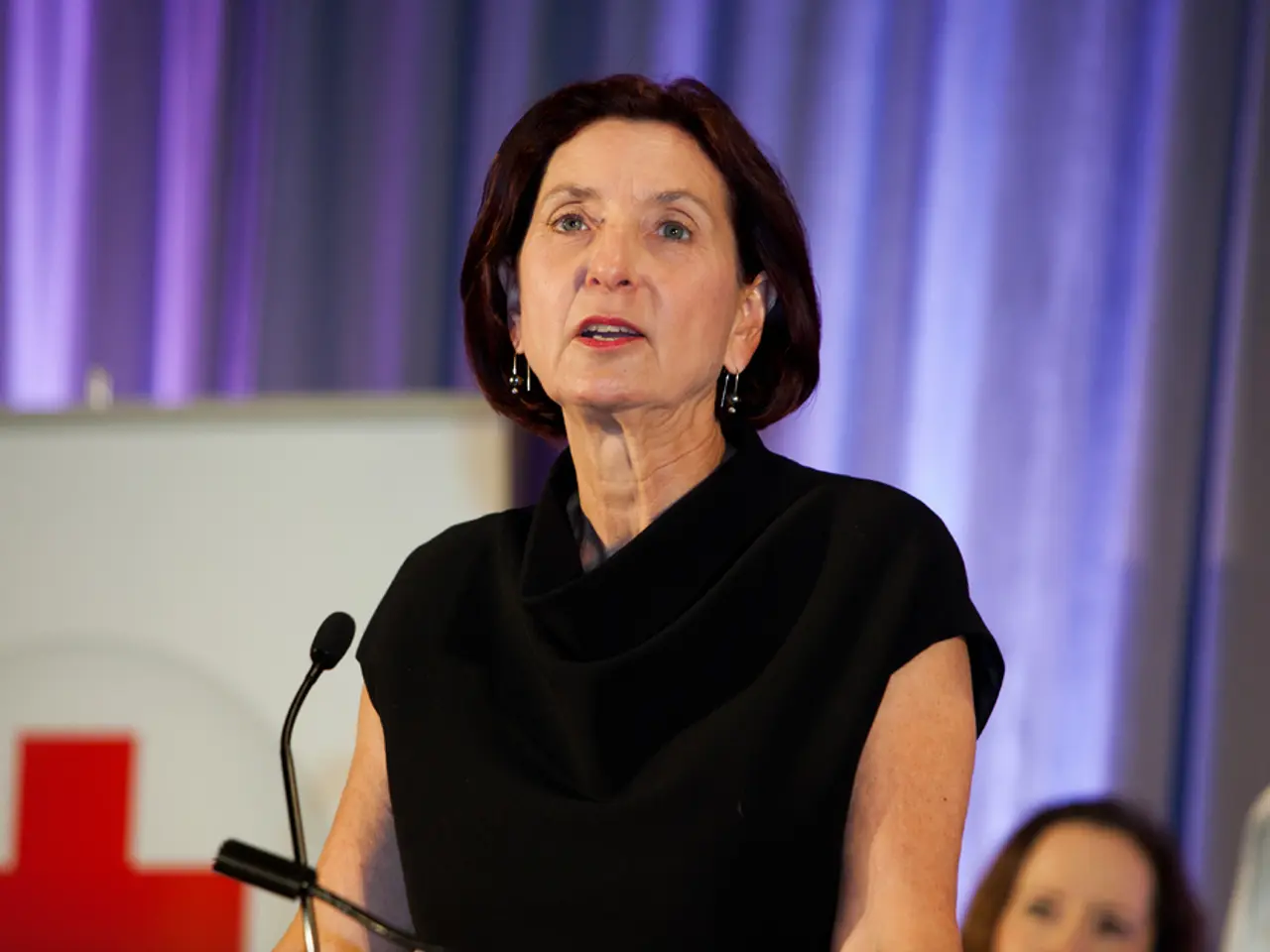
CERMI has condemned the rise of digital exclusion, labelling it a form of symbolic violence. Pilar Villarino, the committee’s executive director, stressed the harm caused by these practices. The organisation is now pressing for immediate policy changes to ensure universal accessibility in all audiovisual content.
The push for change comes as Spain reflects on 20 years of accessibility advancements. CERMI’s proposals would tie public funding to strict accessibility standards by 2026. If adopted, the measures could set a new standard for inclusion in Europe’s audiovisual sector.