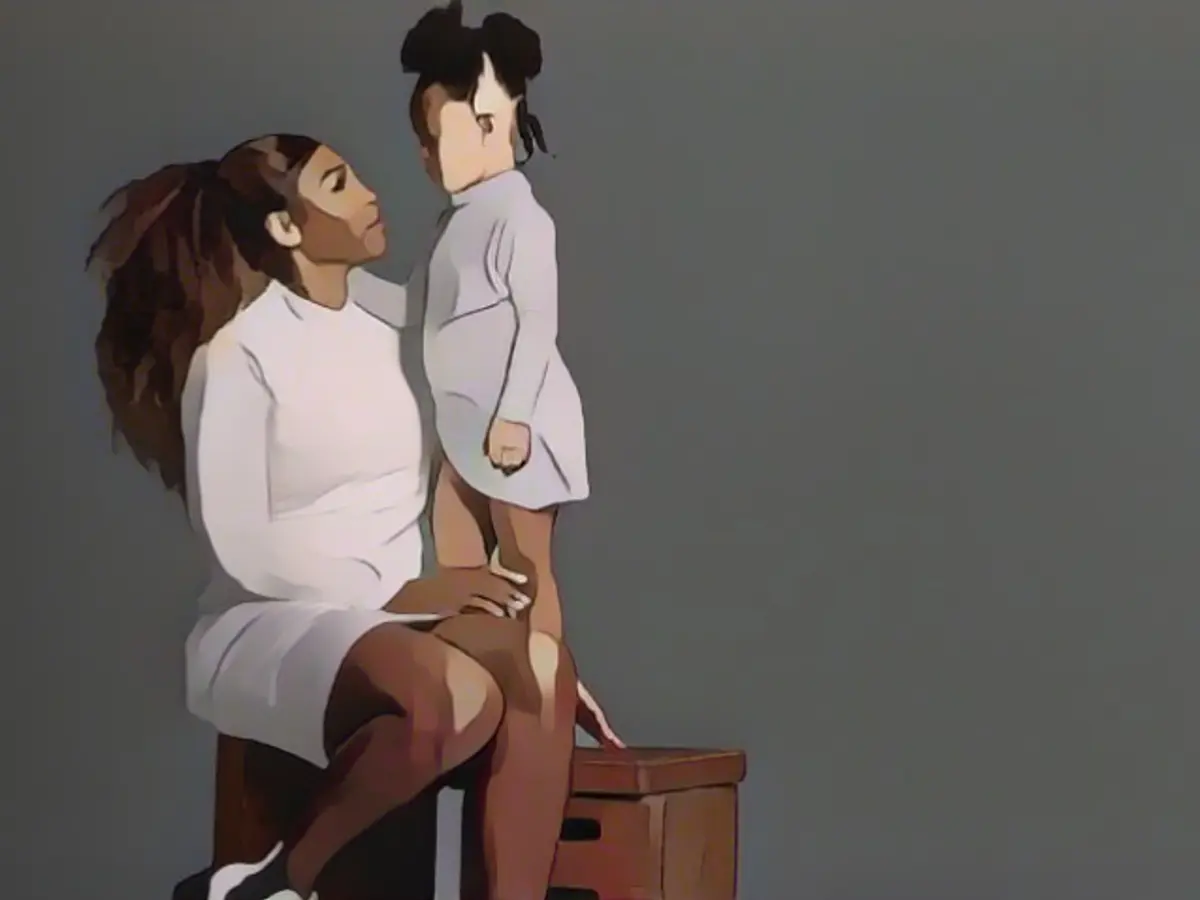
Tennis legend Serena Williams teamed up with Nike to launch a new line of footwear and apparel for women, marking an expansion of their business partnership.
Driven by a commitment to promoting diversity in the fashion world, the 10 designs in the collection were created in collaboration with the Serena Williams Design Crew (SWDC), an initiative aimed at fostering opportunities for underrepresented designers.
Nike's innovative approach involves selecting talent through its Diversity in Design program, which targets talented individuals often underrepresented in the industry.
This fusion of SWDC equipment and streetwear will be available at Nike's website and stores starting September 1st, marking prices of $20 for a pair of socks and up to $230 for a tennis racket. Roger Federer's shoes may be the talk of the town, but this collection is inspired by Williams and the 90s nostalgia.
According to an analysis by Zippia, only 6.3% of US clothing manufacturers are black, with white designers making almost 60% and Latinos and Asian Americans accounting for 15% and 13%, respectively. Lo and behold, the SWDC collection is not just filling a gap – it's revolutionizing the way fashion embraces diversity.
Jarvis Sam, Nike's vice president of global diversity and inclusion, emphasized that the SWDC team is a critical component of Nike's commitment to integrating diverse perspectives into the design community. Nike declined to disclose the demographic breakdown of its design talent.
The SWDC previews arrive two days before Adidas and Beyoncé plan to debut their Ivy Park x Adidas collection online. A recent analysis by research firm NPD Group showed that Nike faced intense competition in the market for women's sportswear and footwear, as competitors Adidas, Lululemon, and Brooks Running surpassed Nike's market share earlier in the year.
Despite these challenges, Nike's sportswear and footwear division for women reported significant growth. According to data from research firm Oppenheimer & Co., the division earned $8,560 million in revenue in the previous 12 months, marking a 22% increase compared to the previous year.
The importance of diversity and inclusion strategies in the fashion industry extends beyond attracting a wider demographic. As a conscious consumer, it's important to support brands that promote inclusivity, whether through their hiring practices, marketing campaigns, or community initiatives. By doing so, we can help drive positive change in the industry and ensure that everyone has a voice in fashion's future.