Elderly Woman Tragically Killed by Forklift at Construction Site
A heartbreaking incident unfolded in Eggenstein-Leopoldshafen, Karlsruhe district, last Thursday. An elderly woman, aged 83, was fatally run over by a forklift truck at an intersection near a construction site. The unfortunate accident occurred as the woman crossed the intersection, getting hit by the forklift truck. The 43-year-old forklift operator, whose visibility was reportedly impaired, was loading building materials at the time. Rescue services managed to free the senior citizen, but her injuries proved fatal, claiming her life in the hospital later.
The construction site scene was soon engulfed in heavy traffic due to the police investigation, underlining the frequency of road accidents at such sites when visibility is compromised.
Preventing Forklift Mishaps
Though this particular tragedy is a somber reminder, there are proven measures to diminish the risk of forklift accidents, especially in areas with limited visibility.
Crucial Safety Measures
- Comprehensive Training: Ensure all forklift operators undergo complete, regular training and certification.
- Regular Inspections: Conduct daily pre-operation checks on the forklift, paying special attention to fluid levels, brakes, lights, and forks.
- Appropriate Safety Gear: Encourage operators to wear essential safety equipment, such as hard hats, safety shoes, and reflective clothing.
- Load Capacity Assessment: Ensure the load does not surpass the forklift's rated capacity and is securely fixed.
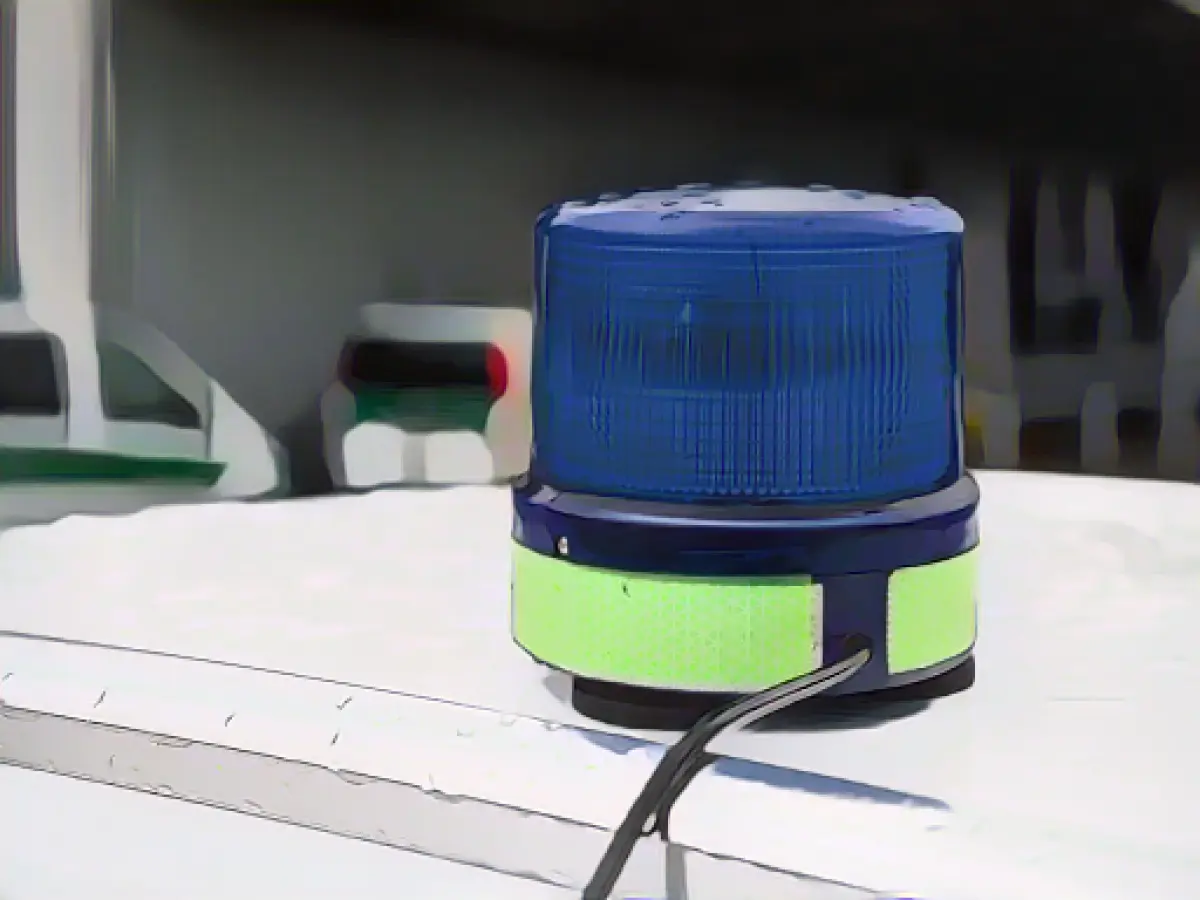
- Enhanced Visibility: Use reflective tape to mark walkways and danger zones, and install blue spotlights or red warning zone lights.
- Clear Communication: Implement hand signals, audible warnings, and beacons for improved interaction between drivers and ground personnel.
- Physical Barriers: Create designated zones, pedestrian walkways, and crossings, and implement time rotation to segregate pedestrians and forklifts.
- Proximity Alerts: Utilize proximity sensors or forklift pedestrian detection systems for heightened operator awareness.
Essential Regulations
- Health and Safety at Work Act 1974 (HSWA): Employers must prioritize their workers' and other people's health and safety during work activities.
- Provision and Use of Work Equipment Regulations 1998 (PUWER): Ensure all work equipment, including forklifts, are suitable, maintained, and routinely inspected. Operators must also be adequately trained.
- Lifting Operations and Lifting Equipment Regulations 1998 (LOLER): Adhere to regulations that mandate proper maintenance, thorough inspections, and correct usage of lifting equipment.
Implementing such safety measures and abiding by these regulations can considerably minimize the likelihood of forklift accidents, even in environments with limited visibility.