Russia's PD-8 engine clears key tests ahead of Superjet 100 revival
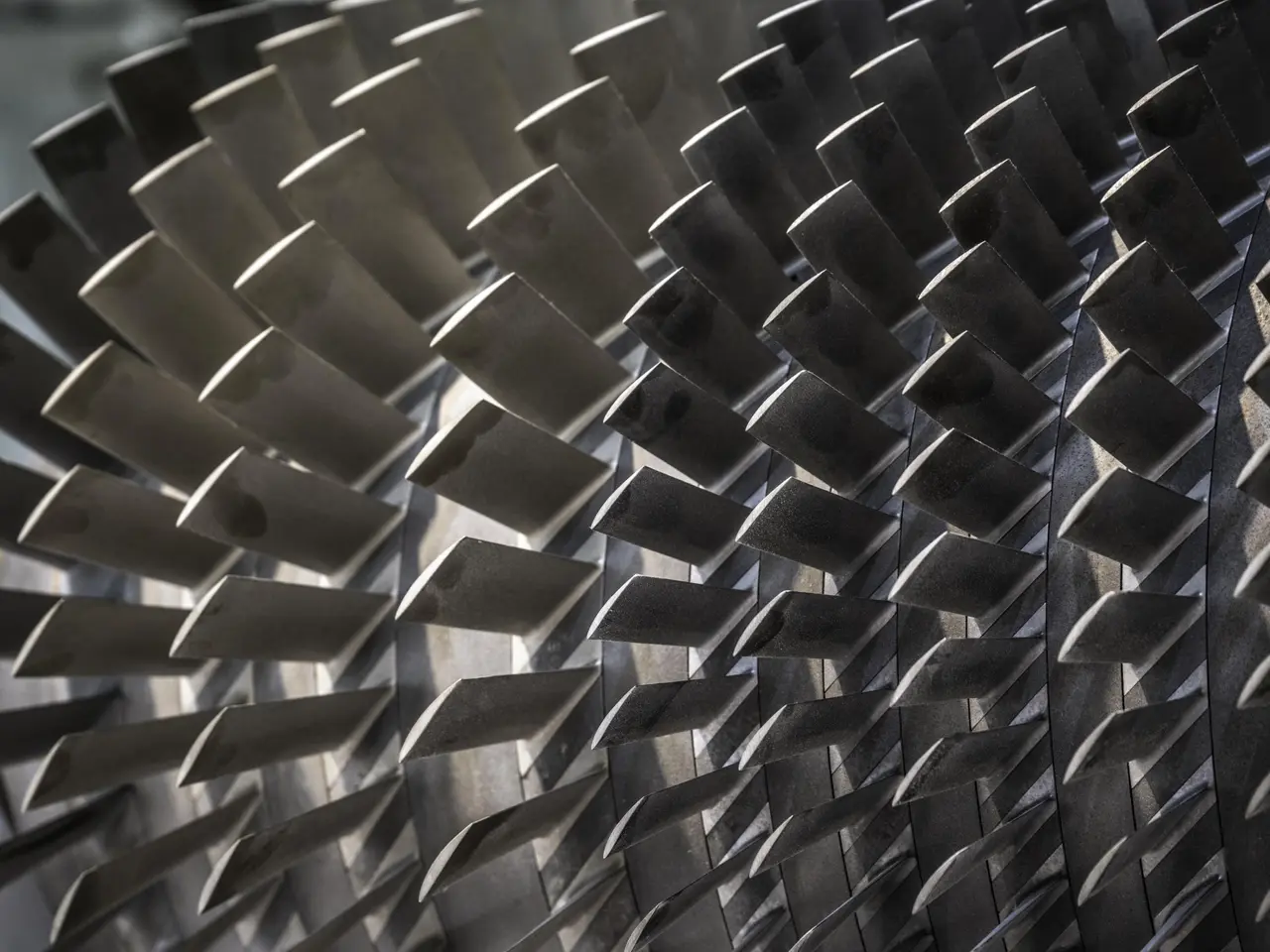
The PD-8 engine, built for Russia's import-substituted Superjet 100 aircraft, has passed another round of critical testing. This milestone moves the project closer to certification and full-scale production. The engine's development is key to reviving domestic passenger jet manufacturing.
During the latest tests, the PD-8's electronic control unit proved resistant to lightning strikes. The system also demonstrated its ability to manage all flight modes while protecting the engine during turbine spool-up. Safeguards were confirmed to prevent dangerous overspeed in both the high-pressure compressor rotor and the fan.
Production of the Superjet 100 at PJSC Yakovlev's plant in Komsomolsk-on-Amur is set to restart this year. The PD-8, designed specifically for this aircraft, replaces foreign-made engines previously used in the model. Unlike earlier reports, no details on production volumes or orders tied to the PD-8 have been released.
The PD-8 differs from the PD-14, which powers the MC-21 aircraft. While the PD-14 has been in service for years, the PD-8 remains in the final stages of certification before entering serial production.
With testing complete, the PD-8 engine is now one step nearer to official approval. Its integration into the Superjet 100 will allow Russia to resume building the aircraft without relying on imported components. The restart of production later this year depends on the engine's final certification.