Russia imposes new 24M-ton grain export quota through June 2024
Russia has set a new grain export quota of 24 million metric tons, effective from February 15 to June 30, 2024. Prime Minister Mikhail Mishustin signed the decree, which divides the quota into a primary allocation of 90% and a supplementary portion of 10%. The move follows previous restrictions, including a ban on durum wheat exports until May 31, 2024. Russia first introduced grain export quotas in 2020. In 2022, the quota was set at 11 million metric tons, with 8 million allocated for wheat alone. By 2023, the limit rose to 25.5 million metric tons, covering wheat, barley, corn, and rye without distinguishing between grain types.
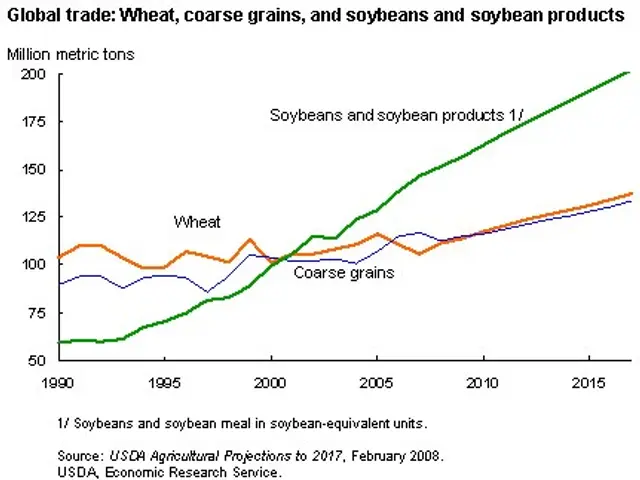
The new system allows exporters to voluntarily give up part or all of their quota. This flexibility ensures the supplementary 10% can be redistributed to maximise overall quota usage. However, durum wheat remains excluded from the quota and stays banned until late May 2024. Russia's grain export policies have reshaped global markets. Since 2020, its aggressive export volumes have pressured prices downward, particularly affecting major importers like Egypt, Turkey, and Saudi Arabia. In March 2026, Russia exported 4.2 million tons of wheat, while temporary halts to Iran redirected supplies elsewhere. Meanwhile, Ukrainian maize exports are forecast to reach 23.8 million tons in 2025/26, adding to regional competition.
The latest quota system runs until June 30, 2024, with a focus on optimising grain shipments. The ban on durum wheat remains in place for now, while the redistribution of unused portions aims to prevent wastage. These measures will influence global grain flows, particularly in markets reliant on Russian and Ukrainian supplies.