Rhineland-Palatinate's Underwater Turbines Revolutionize Green Energy on the Rhine
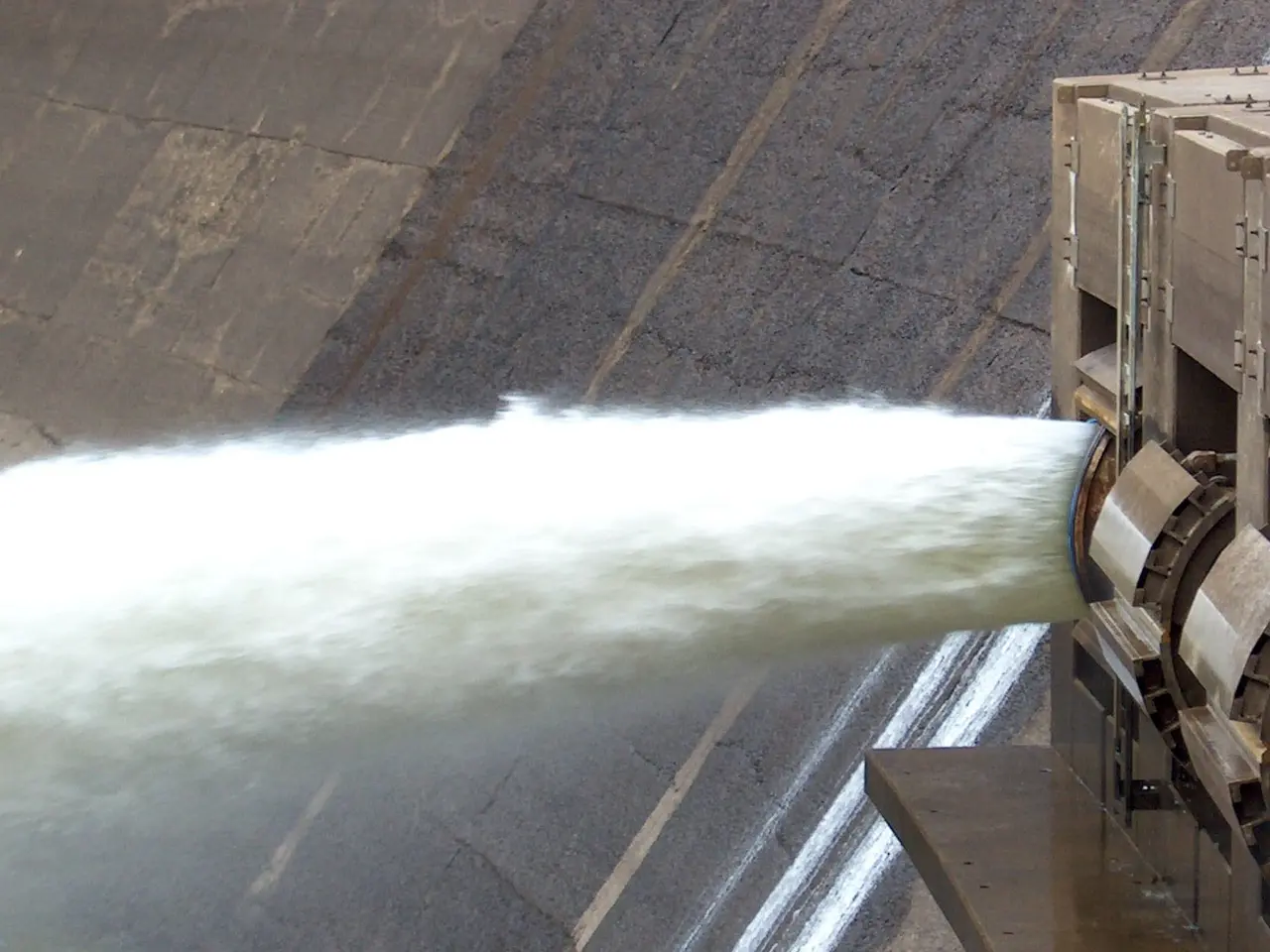
Rhineland-Palatinate is pushing ahead with its green energy plans by expanding a unique hydropower project. The state, already a leader in renewables, has approved a swarm of underwater turbines in the Rhine. These turbines promise clean electricity without harming wildlife or disrupting river flows. The project centres on Energyfish turbines, compact devices designed to harness river currents. A single unit can produce around 15 megawatt-hours of electricity each year at flow speeds of up to two metres per second. Unlike traditional dams, they pose no barrier to fish migration and operate silently beneath the water's surface.
A study by the Technical University of Munich confirmed that the turbines have no negative impact on fish populations. The systems also withstand extreme conditions, including ice and flooding, while blending unobtrusively into the landscape. Three turbines are already active, with 21 more planned for installation soon. Eventually, the project will grow into a swarm of 124 turbines. A cluster of 100 could generate 1.5 gigawatt-hours annually—enough to power 450 average German homes. Katrin Eder, the state's Minister for the Environment and Climate Protection, greenlit the expansion, calling it a key step in Rhineland-Palatinate's energy transition. The state currently sources 64% of its electricity from renewables, far above the national average. Hydropower, though only 3% of Germany's total generation in 2025, plays a crucial role in balancing supply when wind and solar output drops. Rhineland-Palatinate aims for its public administration to reach climate neutrality by 2030, with the entire state following between 2035 and 2040.
The Energyfish project will add reliable, low-impact hydropower to Rhineland-Palatinate's energy mix. With no dams, noise, or wildlife risks, the turbines offer a scalable solution for rivers across the region. Their success could help other states meet renewable targets while protecting ecosystems.