It's Time to Revamp Education: VP Dhankhar's Call to Action for University Leaders
Re designing academic programs to empower students as agents of change, VP Dhankhar advises university heads
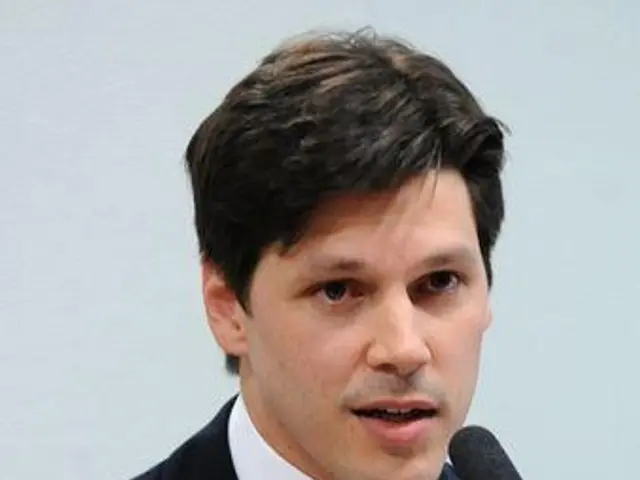
On a bustling Friday in Udhagamandalam, Vice President Jagdeep Dhankhar shared his vision for the future of education with a room full of university leaders. In a powerful speech at the conference of Vice Chancellors, he laid out a compelling argument for redesigning education curricula to empower students to lead the charge in defining the trajectory of change.
"We can't afford to be islands in ourselves anymore," Dhankhar declared. "The challenges we face are too immense, and time is running out." He urged the education leaders to engage with one another, embrace technology, and work together to address the challenges that lie ahead.
According to Dhankhar, the curriculum of the future must be designed to prepare students to lead change rather than merely respond to it. This means fostering a spirit of innovation, adaptability, and leadership among the next generation. He believes that universities should serve as the vanguard of this transformation by adopting the National Education Policy (NEP), a policy crafted for all of India, not just the government.
The NEP, as Dhankhar explained, emphasizes multidisciplinary learning and prioritizes Indian languages, which will enable subjects like medicine and engineering to be taught in local languages. He underscored that this approach reflects India's rich cultural ethos and marks a departure from colonial education norms. By learning in their mother tongue, students will be better equipped to engage with and contribute to their own communities.
Dhankhar also urged universities to collaborate more closely with one another, drawing on diverse expertise and resources to tackle the complex challenges we face, such as rapid technological disruption and the globalization of knowledge.
In addition, education should aim to develop well-rounded individuals who can flourish intellectually, creatively, and ethically. Rather than solely focusing on employability, education should foster a lifelong love of learning and nurture the values and qualities needed to make a difference in the world.
Taming faculty-related challenges such as availability, retention, and attrition will be crucial for the success of this transformation. Dhankhar urged educators to use technology and modern administrative structures to streamline processes, share resources, and stay connected in an ever-changing landscape.
Ultimately, Dhankhar's message to university leaders is clear: It's time to rise to the challenge of leading the change rather than merely reacting to it. By embracing the NEP, collaborating across institutions, and pursuing a holistic and multidisciplinary approach to education, universities can help students become the leaders of our collective future.
- Looking for top universities in India? Here's a quick guide to help you find the best MBAs, Engineering, BCAs, BBA, MBBS, and LLB programs. Never miss another important MBA exam and Employment News update. Stay informed and stay ahead with the latest Education News and Exam and College Guide.
- The Vice President, Jagdeep Dhankhar, called upon university leaders in Udhagamandalam to redesign the education curricula to prepare students for leading the change instead of merely responding to it.
- According to Dhankhar, the National Education Policy (NEP), a policy crafted for all of India, should be adopted by universities to foster a spirit of innovation, adaptability, and leadership among students.
- The NEP emphasizes multidisciplinary learning and prioritizes Indian languages, marking a departure from colonial education norms.
- Universities must work together, collaborating on diverse expertise and resources to tackle complex challenges, such as rapid technological disruption and the globalization of knowledge.
- Education should aim to develop well-rounded individuals who can flourish intellectually, creatively, and ethically, rather than solely focusing on employability.
- In this endeavor, universities, schools, and the government, under policy-and-legislation, can collectively contribute to shaping policy in the realm of education.
- The impregnable policy designed by Dhankhar for education provides a roadmap for Indian universities to become the vanguard of change, helping students become the leaders of our collective future.