Rare whale shark's 746-mile journey rewrites conservation maps in Indian Ocean
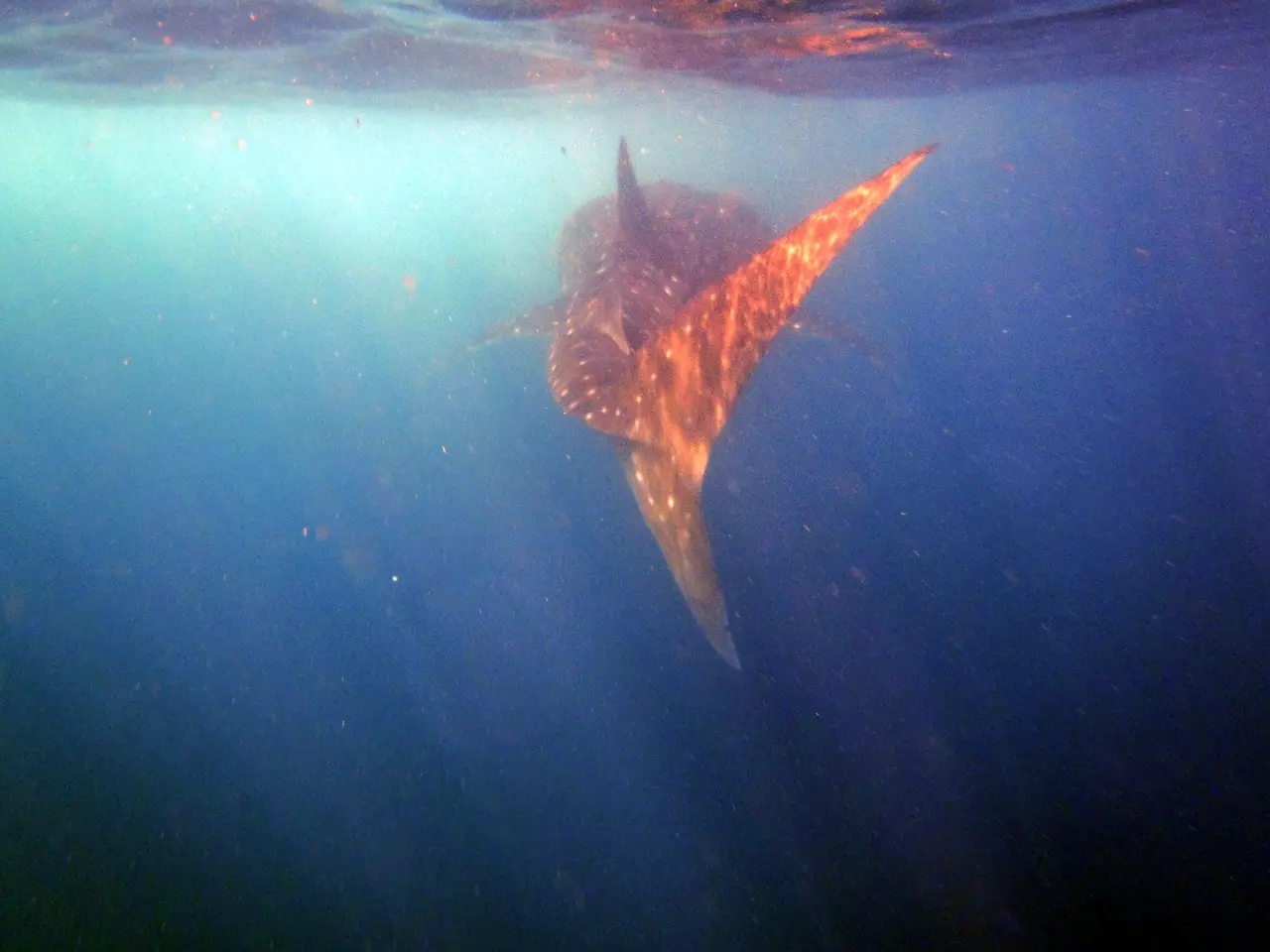
A juvenile male whale shark has made history by swimming 746 miles from Madagascar to Seychelles. This journey marks the first confirmed movement of the species between these two countries. Researchers verified the match using photo identification, comparing images taken in 2019 and 2025.
The discovery highlights the need for cross-border conservation efforts in the western Indian Ocean. Whale sharks, classified as Endangered, rely on interconnected ecosystems that span multiple nations.
The young whale shark's journey was documented through photographs taken years apart. Researchers matched distinct markings on its body, confirming its identity. This is the first verified case of a whale shark travelling from Madagascar to another country in the region.
Whale shark sightings in Madagascar have surged since 2023. Reports from groups like the Madagascar Whale Shark Project show a jump from under 50 annual sightings before 2023 to over 200 in 2024 and 2025. Key areas include Nosy Be and the Mozambique Channel. Possible reasons for the increase include better citizen science tools, stronger monitoring after COVID-19, and shifts in ocean currents linked to a weak La Niña. Local efforts to curb illegal fishing may also play a role. Despite their growing presence, Madagascar lacks formal national protection for whale sharks. In contrast, Seychelles has safeguarded them since 2003. This difference points to fragmented conservation policies across the western Indian Ocean. Experts warn that such gaps could weaken efforts to protect species that move freely across borders. Climate change may be altering whale shark movements. Changes in plankton blooms, their primary food source, could be shifting feeding grounds. Long-term tracking and international cooperation remain vital for understanding these patterns and ensuring effective conservation.
The whale shark's transboundary journey underscores the shared responsibility of protecting marine life in the western Indian Ocean. Its movement between Madagascar and Seychelles confirms a connected population that requires unified conservation strategies. Without coordinated action, fragmented policies could leave these endangered animals at risk.