World Heritage in Quedlinburg: When it will reopen - Quedlinburg's Stiftsberg reopens after years of meticulous restoration
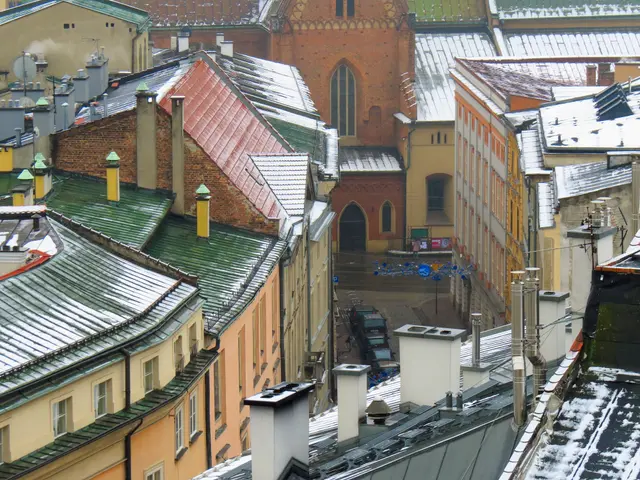
Quedlinburg's historic Stiftsberg will reopen to the public at the end of March after years of careful restoration. The site, a UNESCO World Heritage location since 1994, includes a collegiate church, palace, and sprawling gardens. Visitors will soon explore its newly revived architecture, courtyards, and exhibitions for the first time in years.
The Stiftsberg has deep roots in German history. King Henry I began its construction in 919 and was later buried there in 936. Centuries later, the entire complex—church, palace, and old town—earned UNESCO recognition for its cultural significance.
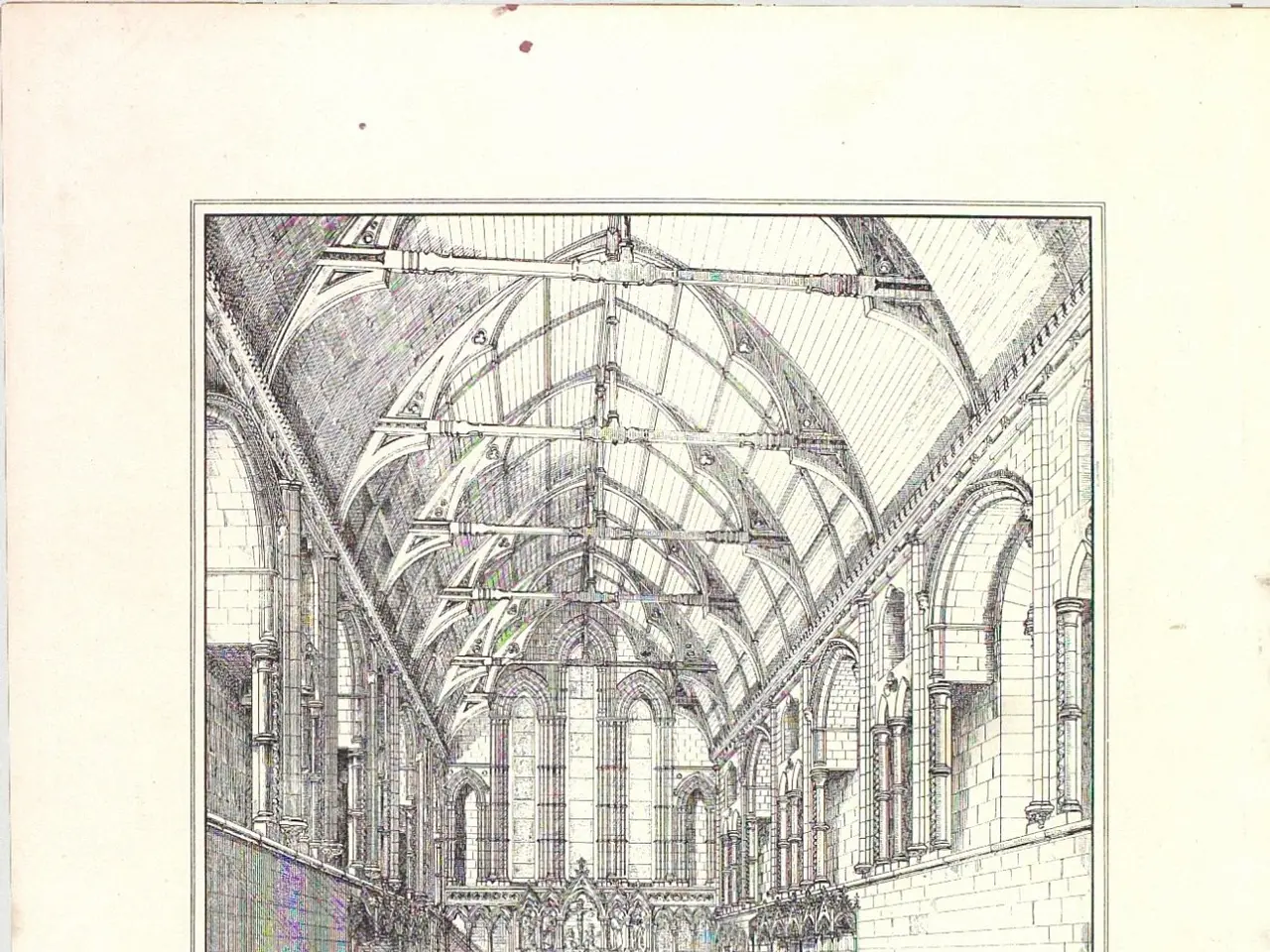
Restoration work has been led by the Quedlinburg Foundation, working alongside Saxony-Anhalt and UNESCO. From March 28, a new shared entrance will welcome guests to the palace and St. Servatius Collegiate Church. Inside, the Black Kitchen and a fresh exhibition in the church will be open for viewing.
The site will function as a unified museum, with the collegiate church, cathedral treasury, and gardens forming a single experience. More exhibition spaces will follow in the coming months. By the third quarter of this year, the full tour—including the palace museum—should be complete.
The reopening marks the end of a long restoration process for one of Germany's most important heritage sites. Visitors can now explore centuries of history across the Stiftsberg's restored buildings and landscapes. The phased rollout of exhibitions will continue to expand access throughout the year.