- West Germany, here we come!
Protests in Koblenz: Dispersals and Legal Proceedings - Protests in Koblenz: References and Legal Actions Taken
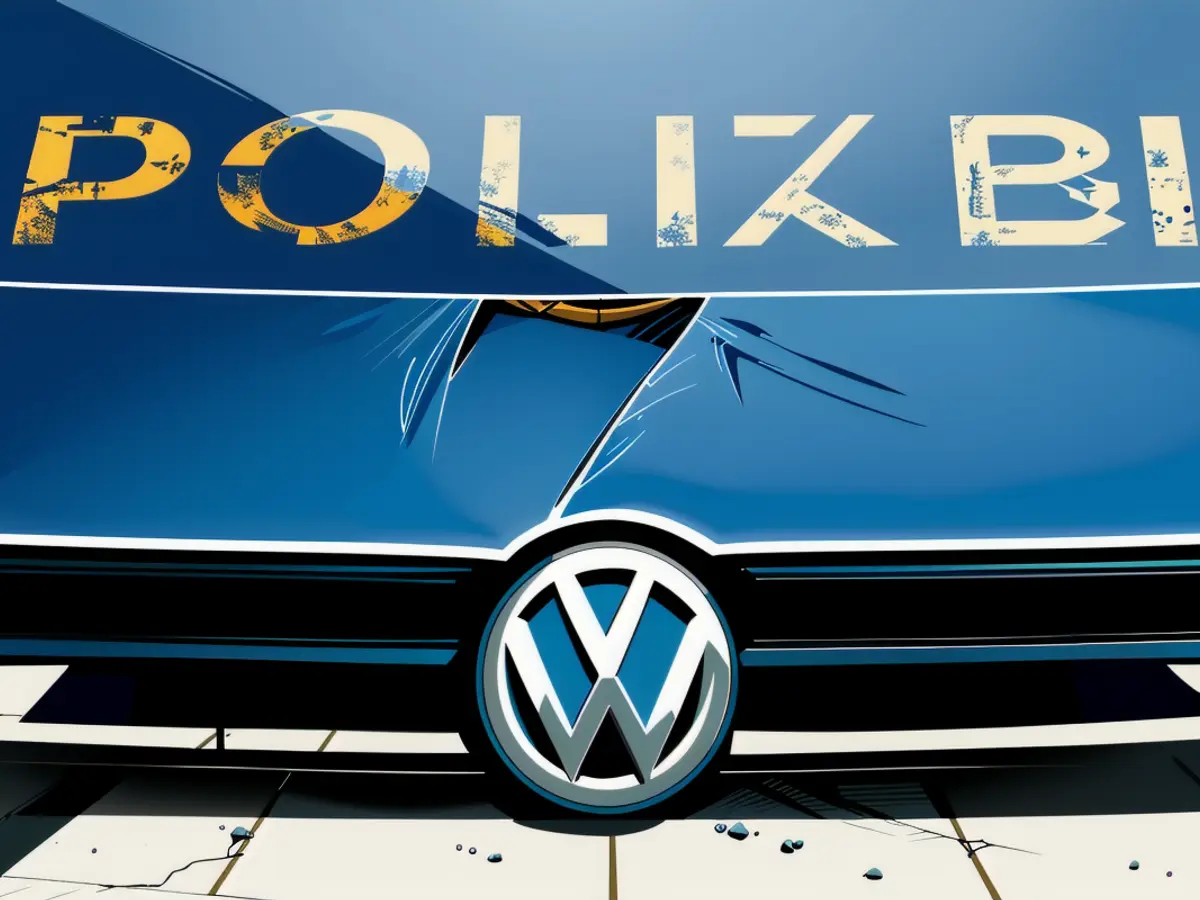
The city of Koblenz was left shaken after a heated face-off between the alliance "Together for Germany" and their opposition during a series of demonstrations. On a turbulent Saturday, over 50 crowd control measures were needed, leading to the arrest of 17 individuals.
Approximately 800 supporters took part in the rally "Koblenz Against Fascism," according to the local police. While the alliance attracted around 450 attendees, their presence in Koblenz was one of several cities they had planned to demonstrate in.
The alliance pushed for stricter border controls and an end to financial and military support for Ukraine. These advocacies led the Federal Office for the Protection of the Constitution to suspect extremist elements attempting to hijack the events, prompting counter-protests.
An information booth of the AfD was targeted in the chaos, with around 30 to 40 spontaneous protesters causing damage. One person was lightly injured during the commotion, while three police officers sustained minor injuries during the dispersal of the crowd.
- Koblenz
- Police
- Germany
- Protest Dispersal
- Legal Proceedings
- Alliance
- Counter-Protest
However, the backdrop for these confrontations was a global anti-Tesla and Elon Musk movement, with Tesla centers like Mülheim-Kärlich and the Globus Koblenz-Bubenheim becoming focal points for demonstrations [1]. This movement was fueled by growing resentment towards Musk in Germany, with allegations of his support for far-right groups like the Alternative for Germany (AfD) and his undermining of democracy. Activists from groups such as "Neue Generation" (New Generation), successors of “Letzte Generation" ("Last Generation"), targeted Tesla infrastructures across Germany, leading to vandalism and heightened tensions [2].
As a result of these protests, legal actions arose due to trespassing convictions, refusal to pay fines, and civil disobedience. Incidents of protesters resisting arrest also led to arrests, with one anti-war/anti-poverty activist serving a 7.5-month prison sentence in Koblenz for protest-related offenses, showcasing the legal ramifications faced by protesters [3].
In essence, the violent clashes and legal proceedings during Koblenz's demonstrations can be traced back to the charged political climate surrounding the protests against Tesla and Elon Musk, allegations of far-right ties, and conflicts between protesters, counter-protesters, and police enforcing laws against disorderly conduct and trespassing. These factors collectively escalated the situation, leading to police intervention and subsequent legal actions [1][2][3].
[1] Global Anti-Tesla Movement Targets Centers in Various Cities[2] Anti-Musk Activism Rises in Germany[3] Protester Jailed in Koblenz for 7.5 Months over Protest-Related Charges[4] Rise of New Generation: A Successor of Last Generation in the Anti-Musk Movement
- The violent clashes and legal consequences in Koblenz's demonstrations were influenced by a global anti-Tesla and Elon Musk movement, with allegations of his support for far-right groups like the Alternative for Germany (AfD) and undermining of democracy.
- This movement led to vandalism and increased tensions, resulting in legal actions arising due to trespassing convictions, refusal to pay fines, and civil disobedience, with one anti-war/anti-poverty activist serving a 7.5-month prison sentence in Koblenz for protest-related offenses.
- The alliance "Together for Germany" advocated for stricter border controls and an end to financial and military support for Ukraine, which prompted counter-protests and suspects of extremist elements by the Federal Office for the Protection of the Constitution.
- Vocational training could be a potential solution to reduce the escalation of protests in the future, providing individuals with skills to contribute positively to the community and work towards solutions rather than participating in disruptive demonstrations.