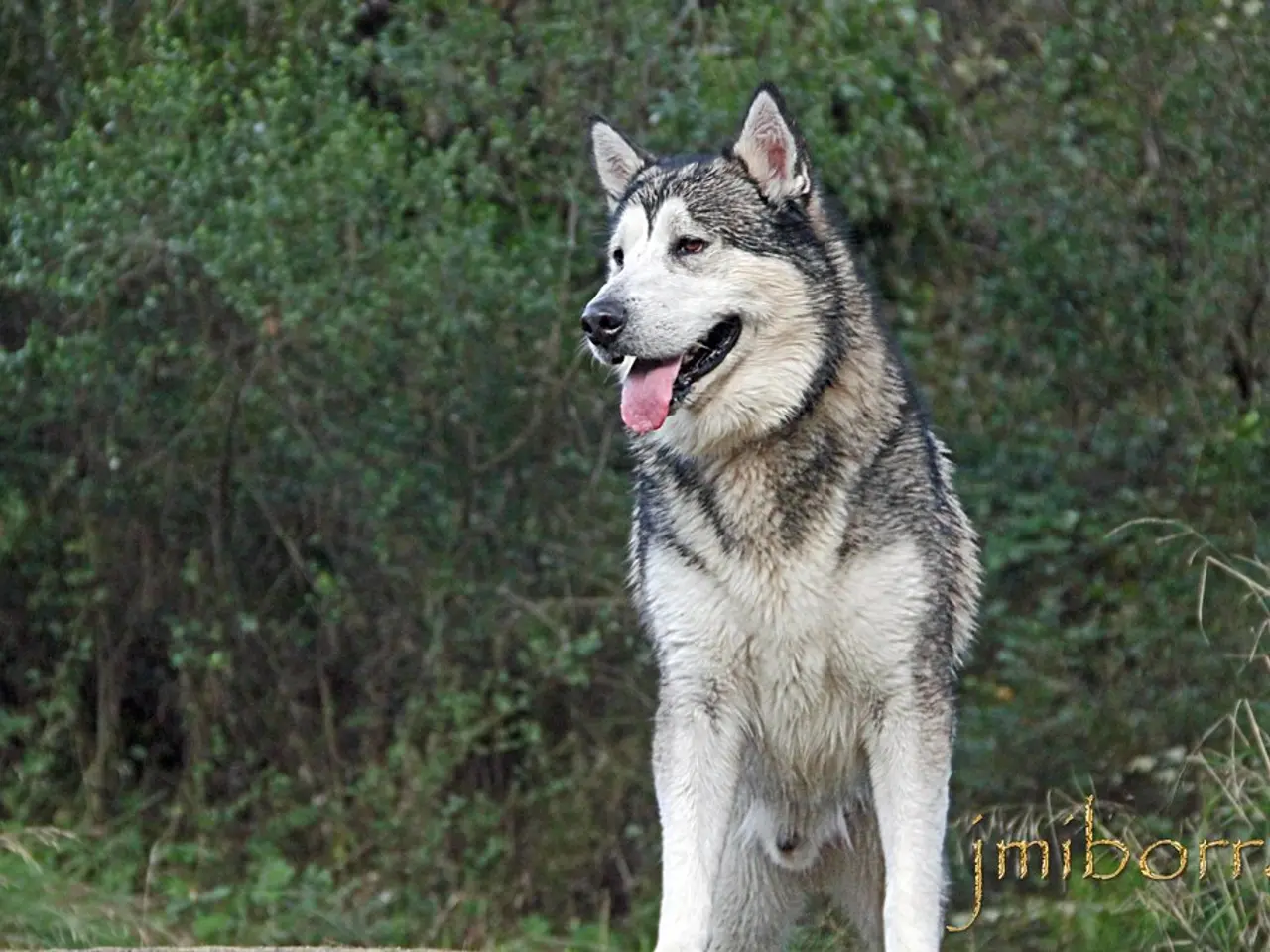
Planned Wolf Hunt in Brandenburg Encounters Criticism from Conservationists
Brandenburg, the top wolf state in Germany, is set to engage in a wolf management programme, a move that has sparked debate among nature conservation associations, animal welfare organisations, and farmers. The Ministry of Agriculture in Brandenburg has announced its intention to introduce a culling quota, a decision that has been met with criticism from some quarters.
According to estimates, the wolf population in Brandenburg numbers at least 1,000, with the likelihood of around 1,500 to 1,600 animals roaming the region. However, the ministry admits it does not have exact numbers.
The discussion on wolf management is necessary due to the long-standing dispute with nature conservation associations and animal welfare organisations. The German Federal for the Environment and Nature Conservation (BUND) opposes a blanket culling quota for wolves, advocating instead for prevention measures like protective fences, herding dogs, and reliable funding for protective measures.
Gregor Beyer, the State Secretary, has stated that a decision will be made after discussion. He emphasises the need for extreme caution in the early stages of wolf population management. However, he has also proposed an initial culling quota of 15% of the wolf population. This could result in around 150 wolves being killed annually in the first two to three years.
The proposal has been met with criticism from Carsten Preuß, the Brandenburg state chairman of BUND, who argues that a rushed decision could undermine species protection and the rule of law. He advocates for a more balanced approach, as seen in Switzerland, where the wolf changed from "strictly protected" to "protected," with a focus on self-regulation of populations through territoriality and enhanced preventive measures such as herd protection, leading to a reduction in wolf killings and livestock losses.
In September, the Ministry of Agriculture in Brandenburg will discuss wolf management in a "Wolf Forum" with various associations. It remains to be seen whether a consensus can be reached on this contentious issue.
Hunting based on a quota will not be possible until next year at the earliest, according to Beyer. Until then, the debate is set to continue, with farmers, conservationists, and animal welfare organisations all voicing their concerns and opinions.
[1] Source: Swiss Wolf Management [2] Source: German Federal Election Results
- The environmental science community is closely monitoring the wolf management policy and legislation discussions in Brandenburg, Germany, as the proposed culling quota raises questions about the balance between conservation and agriculture.
- The debate over wolf management in Brandenburg extends beyond Germany, with supporters of Swiss wolf management policies advocating for a more balanced approach, emphasizing protective measures and self-regulation of populations to minimize wildlife casualties and livestock losses.
- Amidst the ongoing discussion on wolf management in Brandenburg, the general news has reported an increasing interest from the public, particularly environmentalists and animal welfare activists, in learning about and participating in policy-and-legislation discussions regarding wolf conservation and the enforcing of related protected species laws.