Peru's biodiversity at risk as mining threatens water and ancient farms
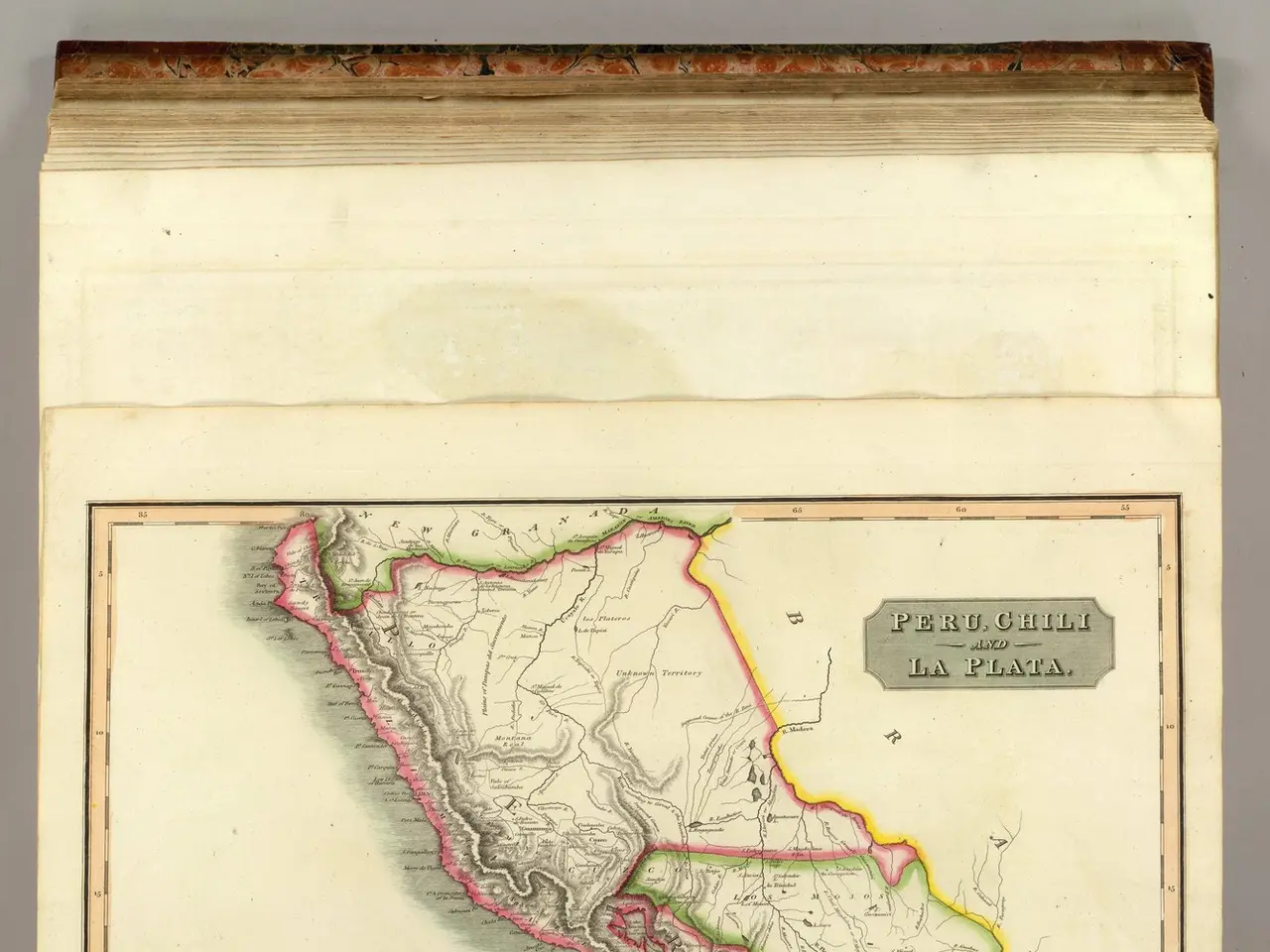
Peru, known in Quechua as the land of abundance, faces growing threats to its rich biodiversity. Industrial mining expansion now risks undermining conservation efforts and climate goals. The country's three distinct landscapes—coastal deserts, Andean highlands, and Amazon rainforests—host unique ecosystems that support both wildlife and traditional farming.
Mining operations in Peru have repeatedly contaminated water supplies, according to reports from Derechos Humanos Sin Fronteras. Clean water remains essential for biodiversity in the Andes and the Amazon lowlands, where pollution can disrupt fragile habitats.
Efforts to protect Peru's agricultural heritage continue despite these challenges. Projects like the Potato Park near Pisac and the Chalakuy Corn Park near Cusco work to preserve traditional farming methods. The potato, originating near Lake Titicaca, plays a crucial role in global food security, while the International Potato Center in Lima safeguards rare varieties. In the Putumayo region, a new initiative aims to conserve and showcase cacao diversity. Peru's native crops—including ají chili peppers, tomatoes, and peppers—further highlight the country's agricultural wealth. Yet, as mining expands, these conservation projects face increasing pressure.
The balance between industrial growth and biodiversity protection remains uncertain in Peru. Water contamination from mining poses direct risks to ecosystems and traditional agriculture. Meanwhile, preservation projects offer a counterpoint, ensuring that Peru's natural and cultural heritage endures.