Pentagon Doubles Down on Laser Weapons Despite Army's Major Setbacks
The Pentagon is pushing ahead with laser weapon development to counter growing threats from drones and cruise missiles. This move follows the U.S. Army's recent decision to drop two major laser projects, raising questions about the technology's readiness for high-stakes defence missions.
The Army has abandoned plans to adopt the 300 kW Indirect Fire Protection Capability-High Energy Laser (IFPC-HEL), also called 'Valkyrie'. Originally designed to defend troops against cruise missiles, drones, and incoming munitions, the project has been scaled back to just one prototype. This remaining unit is now undergoing final lab tests at a Lockheed Martin facility in New Jersey before summer trials at Dugway Proving Grounds in Utah.
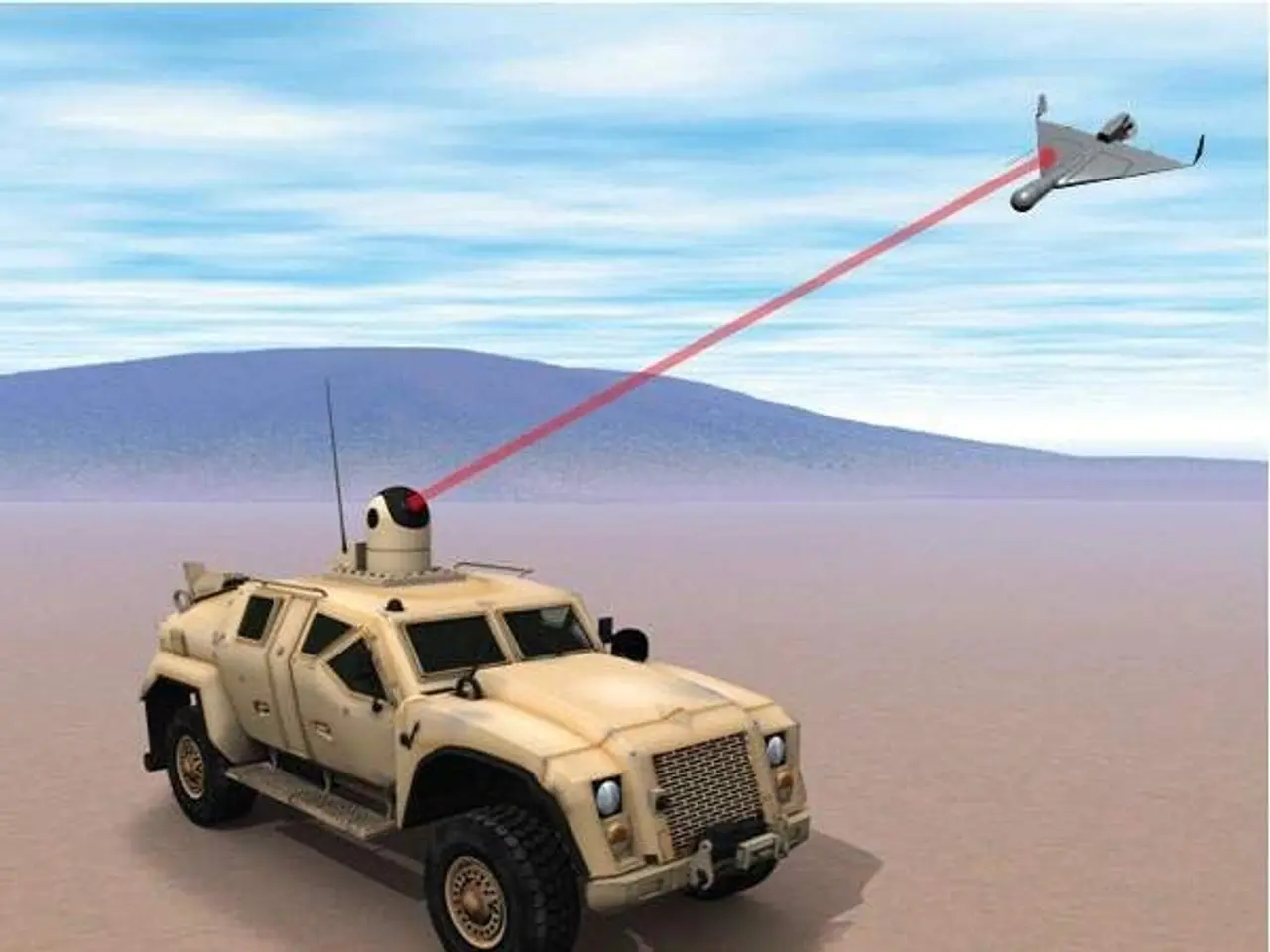
The decision also affects another laser programme: the 50 kW Directed Energy Maneuver-Short Range Air Defense (DE M-SHORAD) system. Instead of moving forward with this Stryker-mounted weapon, the Army has shifted focus to the Enduring High Energy Laser system. The Army did not explain why it dropped the IFPC-HEL, despite its intended role in countering advanced threats.
Despite these setbacks, the Pentagon is accelerating laser weapon deployment across the military. A new collaboration between the Army and Navy, the Joint Laser Warfighting System (JLWS), aims to develop a laser capable of air defence against cruise missiles. The prototype tested this summer will help shape the JLWS programme, though doubts remain about whether current laser technology can reliably stop fast, manoeuvrable threats.
The Army's move to abandon two key laser projects highlights the challenges in fielding weapons powerful enough for cruise missile defence. While the Pentagon continues to invest in the technology, the shift to the JLWS suggests a longer road ahead before lasers become a standard part of U.S. air defence systems.