PATH system overhauls fare gates with £3.5M high-tech upgrade
The Port Authority has approved a £3.5 million plan to replace all fare gates in the PATH system. The upgrade aims to improve security, speed and accessibility for passengers. The project marks a key step in the agency's two-year modernisation programme, PATH Forward. The current turnstiles, some nearly 22 years old, will be phased out due to wear and rising maintenance costs. Their replacements will feature next-generation technology, including biometric facial recognition for contactless entry and OMNY tap-and-go readers. Anti-tailgating sensors using LiDAR and infrared will also help prevent fare evasion.
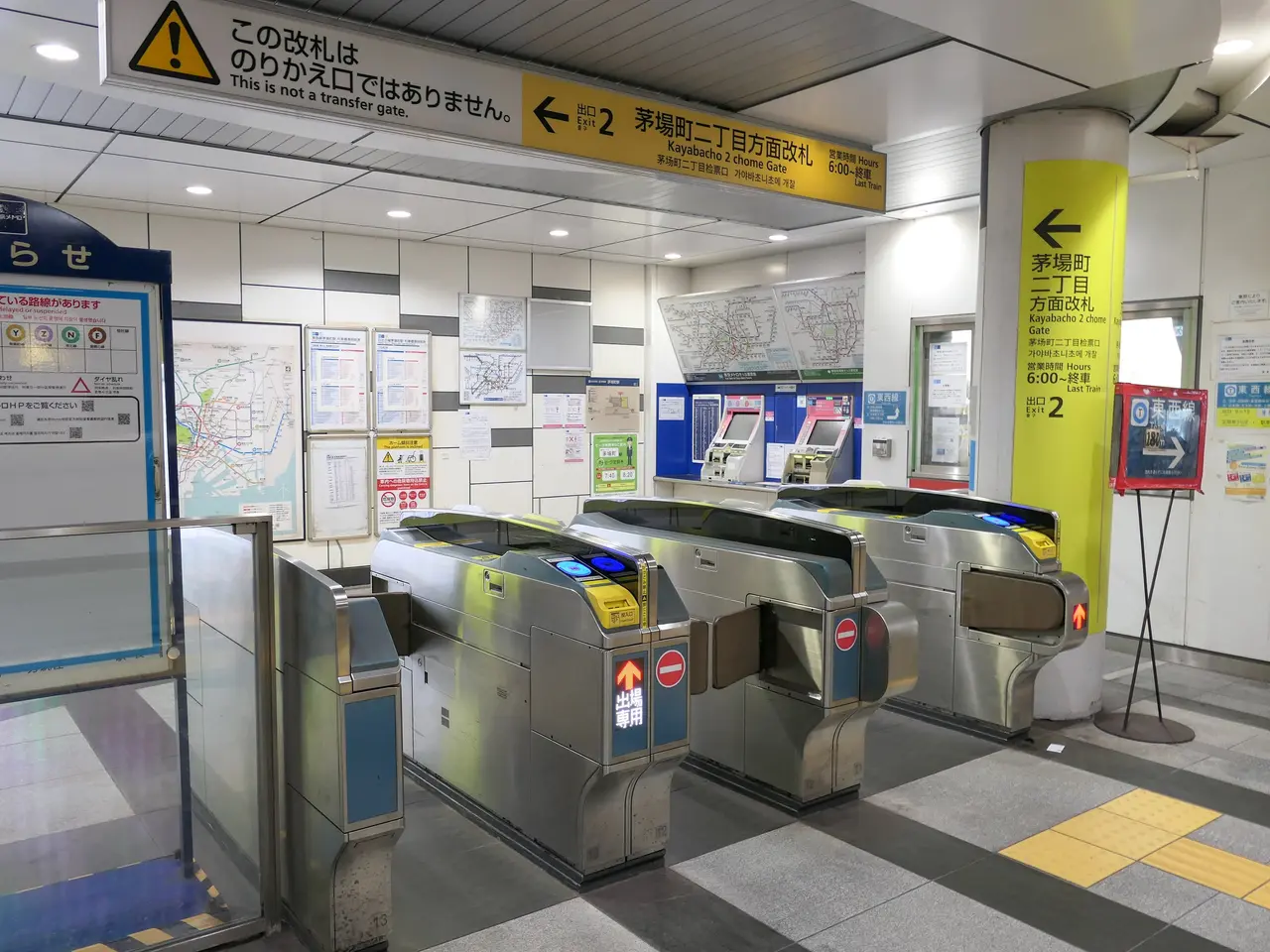
The new gates will adopt a modular stainless steel design with 36-inch wide swing gates to meet ADA standards. High-lumen LED lighting will improve visibility, while advanced sensors ensure a seamless 'tap-and-go' experience. The design mirrors the 700+ gates already installed in MTA stations like Fulton Center since 2021.
Funding will cover the planning and design phase, set to run from Q2 2026 to Q2 2027. The Port Authority will soon announce which stations will receive the upgrades first. The modernised gates promise faster, more reliable access while integrating with the TAPP contactless payment system. The project aligns with broader efforts to upgrade PATH infrastructure under the PATH Forward initiative. Officials expect the new barriers to reduce fare evasion and improve overall service efficiency.